好吧 我们没父母
“Alright? We have no parents.”
THE DIALOGUE REEL
你们 你们回去陪陪你们父母 劝劝老人 安慰安慰
“Go back and keep your parents company. Don't make them worried.”
好吧 我们 没父母
“Alright? We have no parents.”
我哥是我们家长 每年大年三十 我们都是一起过的
“My big brother is our parent. We spend every New Year's Eve together.”
“Stop telling us to comfort our parents—we are orphans, so that advice is useless.”
In Chinese society, returning home to care for and accompany elderly parents, especially around Lunar New Year, is considered a paramount moral duty.
LEARNING CHUNKS & PARTICLES
alright; fine then
Commonly used at the beginning of a sentence to signal reluctant acceptance, concession, or a transition to state a hard truth.
to not have parents; to be an orphan
A very direct, colloquial way to express that one's parents are deceased.
Softens the reluctant admission and indicates concession to the preceding dialogue.
VOCABULARY & EXPRESSIONS
Parallel Spoken Cinema Scenes (语义近邻切片)

“Let's take it step by step, okay? I've only managed to secure three.”

“Alright. We'll take our leave.”

“Do not worry. We will definitely be good parents.”
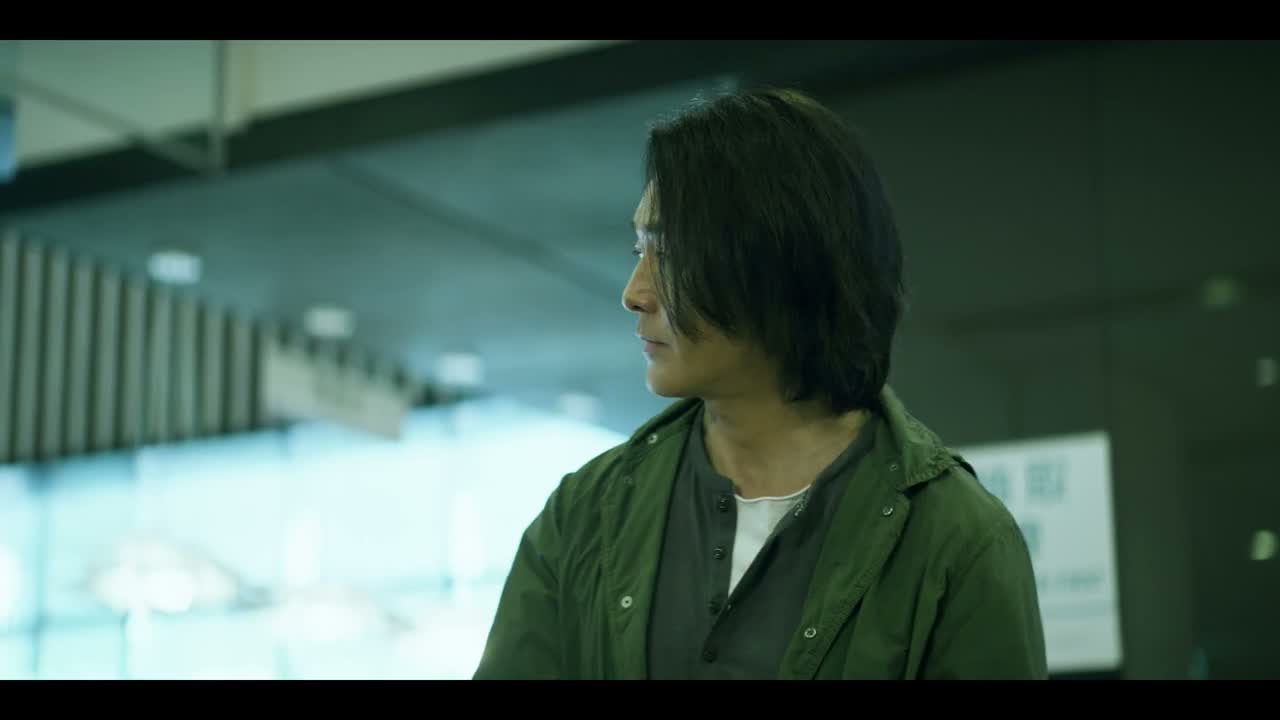
“Right. Okay. Come on.”

“I won't have a dad anymore.”
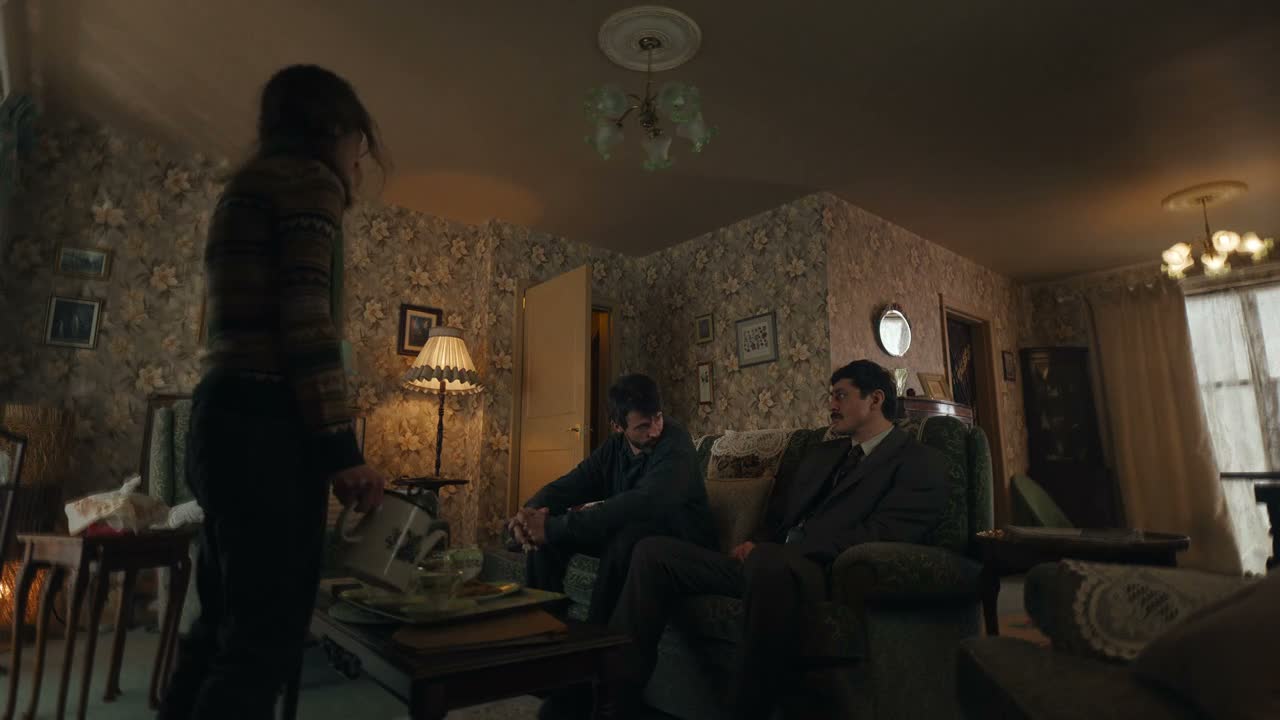
“Well, I suppose he is now, but he wasn't born that way.”