怎么心虚啊 没 不会 我有什么心虚的
“Why do you feel guilty? No, I don't.”
THE DIALOGUE REEL
什么情况 首长
“What's going on, Senior?”
怎么心虚啊 没 不会 我 有什么心虚的
“Why do you feel guilty? No, I don't.”
也不明白为什么叫我来
“I don't know why you called me here.”
“I am terrified you caught me, but I have to act completely innocent right now.”
Subordinates facing unexpected interrogation by superiors often use rapid rhetorical questions to mask loss of composure and protect their standing.
LEARNING CHUNKS & PARTICLES
having a guilty conscience; nervous due to guilt
Describes the inner fear or uneasiness when one has done something wrong and fears exposure.
What do I have to... / Why would I ever...
A rhetorical denial pattern used emphatically to reject an assumption or accusation.
Softens the rhetorical question while signaling momentary bewilderment or stalling for time.
VOCABULARY & EXPRESSIONS
Parallel Spoken Cinema Scenes (语义近邻切片)

“Why are you feeling guilty? Are you worried she'll misunderstand us?”
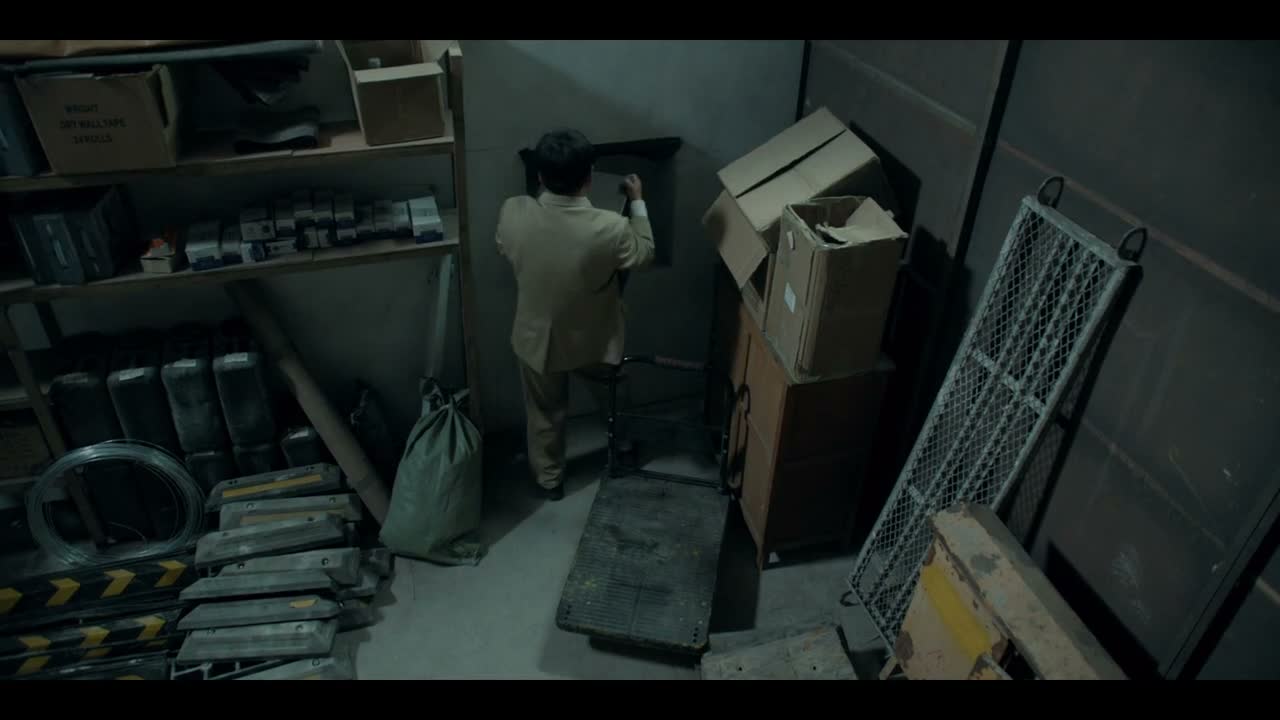
“I was guilty and scared,”

“Being so pretentious every day, aren't you tired?”
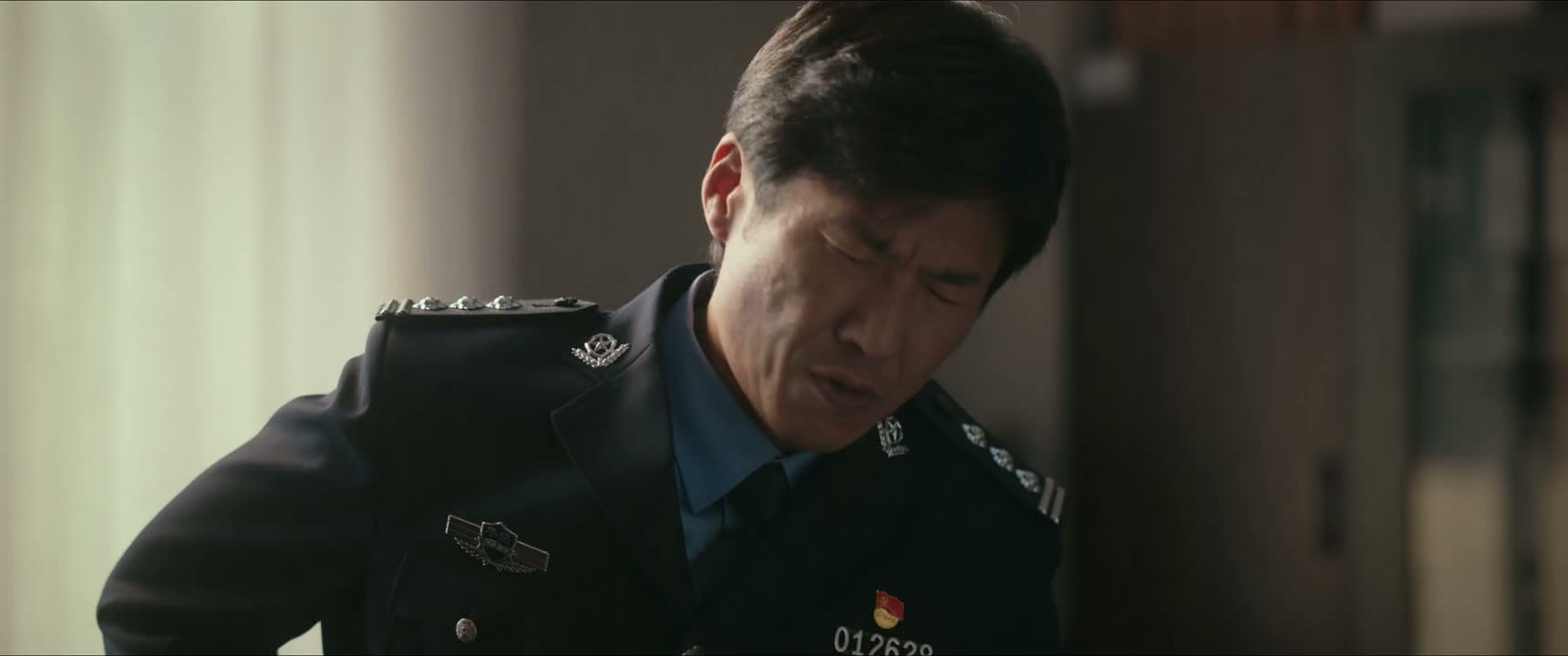
“Right now... I'm afraid my hands are tied.”

“Your body is weak. Focus on your recuperation, alright?”

“Why are you so distracted?”