MC
MandarinClips Cinema Corpus
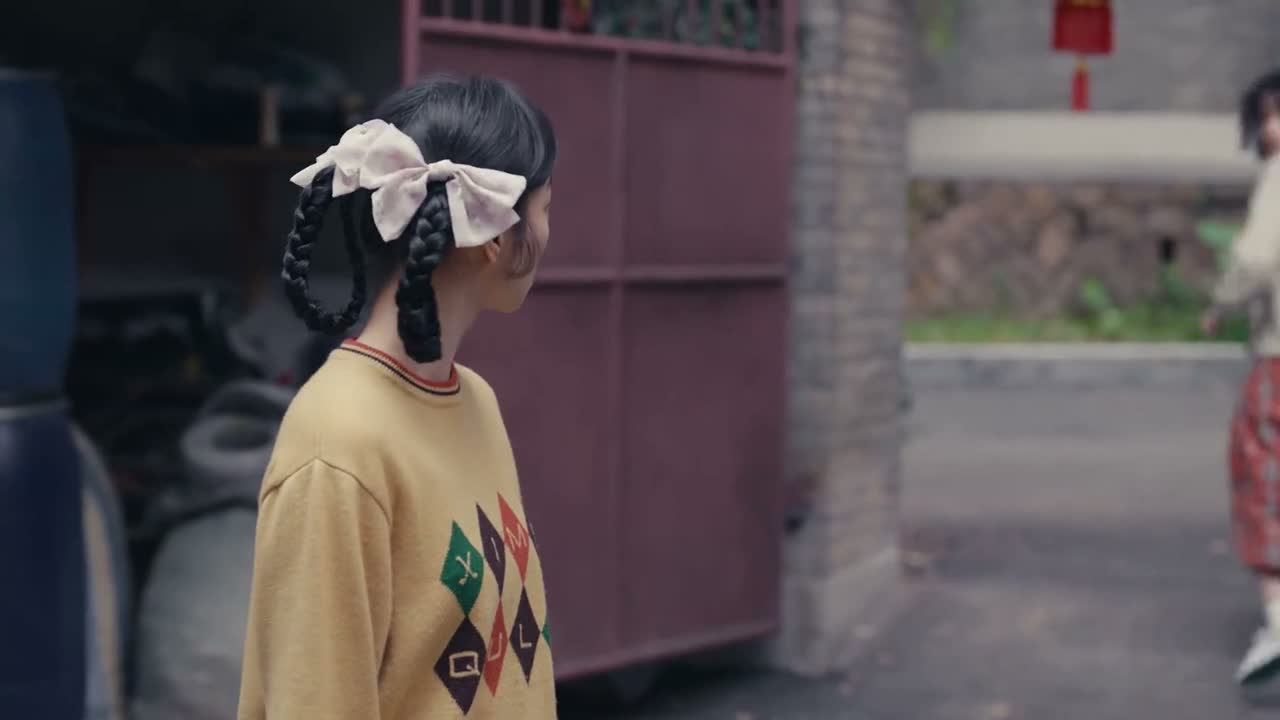
《About Love》 S1·E26 (24:16) HSK 6
tíng xià lái xiē yī huì zěn me le

停下来歇一会怎么了

“Why not stop and rest?”

《About Love》 S1·E26
TIMECODE: 24:16 · 1080P MASTER AUDIO

THE DIALOGUE REEL

1+1+1 SPOKEN CONTINUITY
[-1] PREVIOUS TURN zhè ér zhè me hǎo de fēng jǐng

这儿这么好的风景

“Such beautiful scenery here.”

tíng xià lái xiē yī huì zěn me le CURRENT FOCUS

停下 来 歇一会 怎么了

“Why not stop and rest?”

[+1] FOLLOW-UP TURN yào xiē nǐ zì jǐ xiē

要歇你自己歇

“Rest if you want.”

Subtitles synced to millisecond timecode Browse Show Clips →
Scene: Travel & Transit
Function: PROTESTING INFLEXIBILITY
Tone: PLEADING
Emotion: FRUSTRATION
WHAT THEY REALLY MEAN (PRAGMATIC SUBTEXT)
“Why are you always in such a rush? Slow down and relax with me for a minute!”
💡 Cultural Insight: Pacing in Leisure Activities

Tensions often arise in interpersonal travel dynamics between goal-oriented efficiency and relaxed enjoyment, reflecting divergent personality styles.

INTENT TAGS: #protesting #suggesting_rest #challenging_rigidity #expressing_fatigue
🧩

LEARNING CHUNKS & PARTICLES

3 CHUNKS · 1 PARTICLES
停下来 SPOKEN CHUNK

to come to a halt / to stop

A common directional verb compound used to suggest pausing an ongoing physical motion or routine.

歇一会 SPOKEN CHUNK

take a short break / rest a moment

Colloquial northern Chinese expression widely used in daily spoken speech to suggest resting.

怎么了 SPOKEN CHUNK

what's wrong with that? / so what?

Placed at the end of a clause, it functions as a rhetorical challenge to justify one's preference against criticism.

Modal Particle「了」 (le) CHANGE OF STATE

Combined with '怎么' to form a rhetorical challenge questioning why an action is deemed objectionable.

🏮

VOCABULARY & EXPRESSIONS

3 EXPR · 1 GRAMMAR
CROSS-CINEMA CORPUS BOARD · PARALLEL SCENES

Parallel Spoken Cinema Scenes (语义近邻切片)

EXPLORE BY SEMANTIC SIMILARITY
《About Love》 S1·E26 (24:16) · Authentic Cinema Dialogue Corpus