他看我的眼神 太陌生了
“The way he looks at me feels so distant.”
THE DIALOGUE REEL
还是不一样
“Not exactly.”
他 看我的眼神 太陌生了
“The way he looks at me feels so distant.”
如果你能经常去看看他的话 也许就不会这样了
“If you can visit him more often, perhaps he'd get better.”
“He looked right through me like I was nobody, and it breaks my heart.”
In Chinese culture, subtle non-verbal cues like 'yanshen' (the expression in one's eyes) carry tremendous weight in gauging mutual affection and relational closeness.
LEARNING CHUNKS & PARTICLES
the way he looked at me / the expression in his eyes
A very common phrase in spoken Chinese used to evaluate intimacy, affection, hostility, or estrangement.
too unfamiliar / completely estranged
Used to describe feeling an emotional disconnect or lack of recognition from a familiar person.
Functions here with '太' to emphasize an excessive degree and finalize the emotional evaluation.
VOCABULARY & EXPRESSIONS
Parallel Spoken Cinema Scenes (语义近邻切片)

“Li, please don't look at me like that, alright?”

“When I looked into his eyes, I saw my own reflection there.”
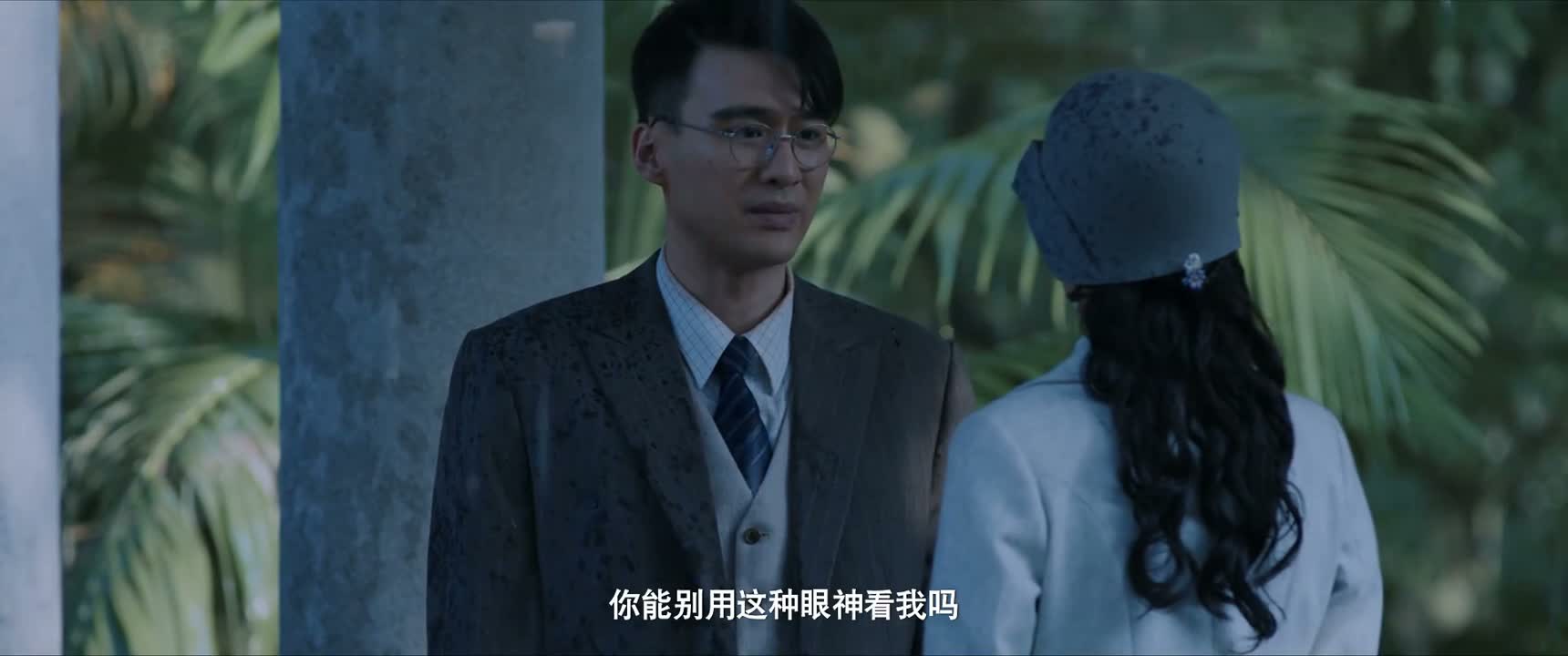
“Could you stop looking at me like that?”
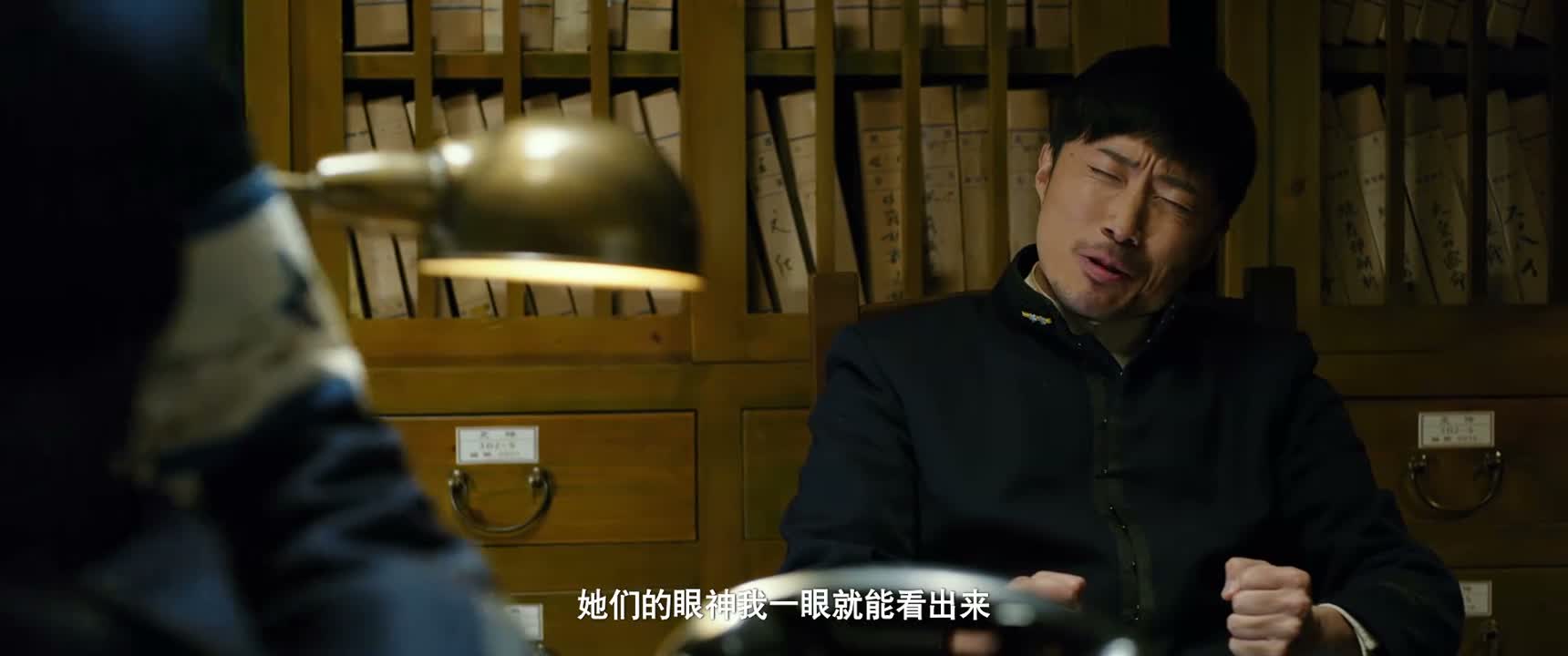
“I can read their eyes at a glance.”

“Don't look at me like that.”

“and the way she looked at me”