走 陪我去买点肉
“Come on, I need to buy some meat.”
THE DIALOGUE REEL
“I know how to handle your brother. Fine.”
走 陪我去买点肉
“Come on, I need to buy some meat.”
“Someone's splurging today. I'm cooking for Fang Muyang.”
Direct spoken expression in this communicative setting.
In Chinese relationships, asking someone to 'pei' (accompany) you on ordinary errands signifies emotional intimacy and shared domestic life rather than a formal chore.
LEARNING CHUNKS & PARTICLES
accompany me / come with me
A very common, casual phrase used among close friends or partners to ask for company while running errands.
buy a bit of / buy some
Softens the imperative tone of making a purchase, making the request sound breezy and everyday.
VOCABULARY & EXPRESSIONS
Parallel Spoken Cinema Scenes (语义近邻切片)

“I'll go with you.”

“Let's go pay. Are we really buying it?”

“Let's buy some ground meat later.”
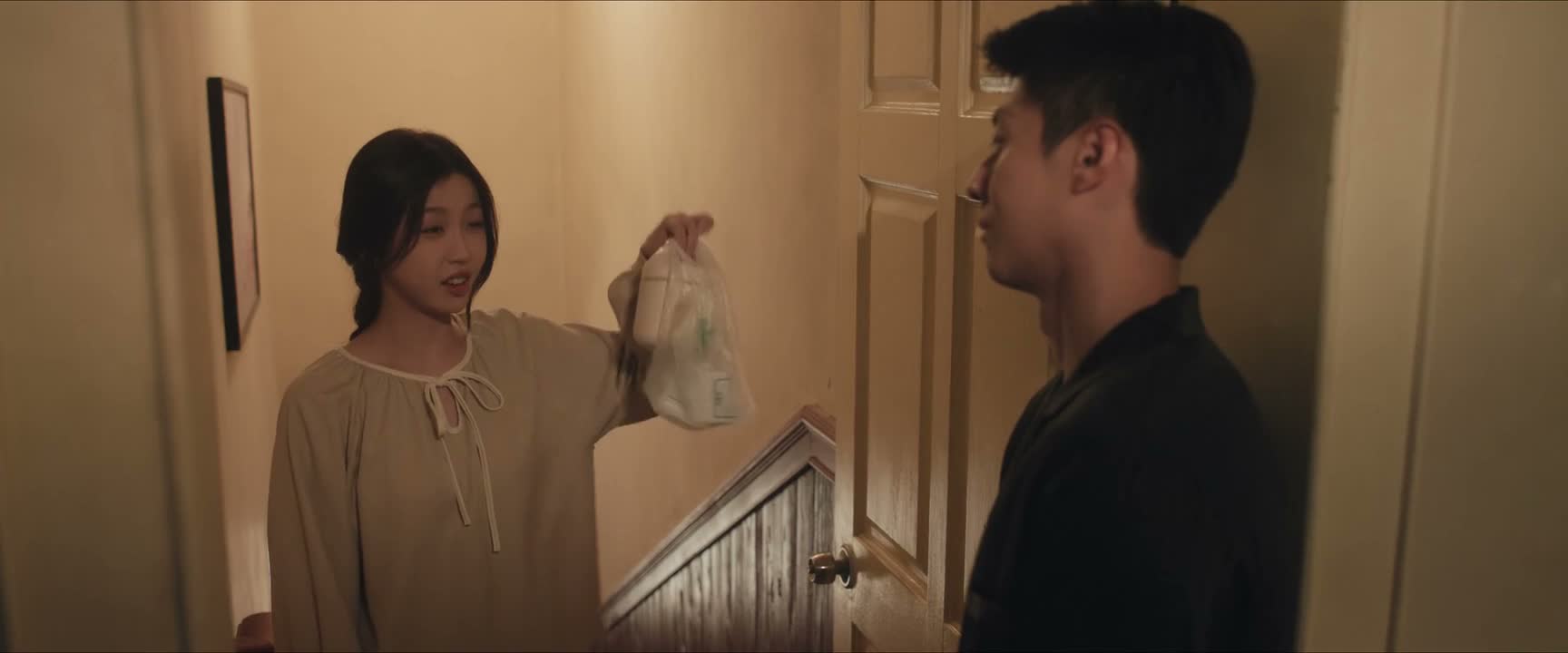
“Let's go inside. I bought you some food.”

“Let's go. I'll treat you.”

“You have to bribe everywhere you go. Everyone wants to have a finger in the pie.”