就没来看过你 关心过你
“I never came to see you or looked after you.”
THE DIALOGUE REEL
不合格
“a poor master.”
就 没来看过 你 关心 过你
“I never came to see you or looked after you.”
你这儿有耗子吗
“Do you have mice here?”
Direct spoken expression in this communicative setting.
In Chinese relational dynamics, visiting in person and actively asking after one's health or living conditions are considered core obligations of relational duty.
LEARNING CHUNKS & PARTICLES
came to visit you
Used with experiential marker 过 to indicate whether visits took place in the past.
showed concern for you
A common collocation used to evaluate relational duty and warmth.
VOCABULARY & EXPRESSIONS
Parallel Spoken Cinema Scenes (语义近邻切片)
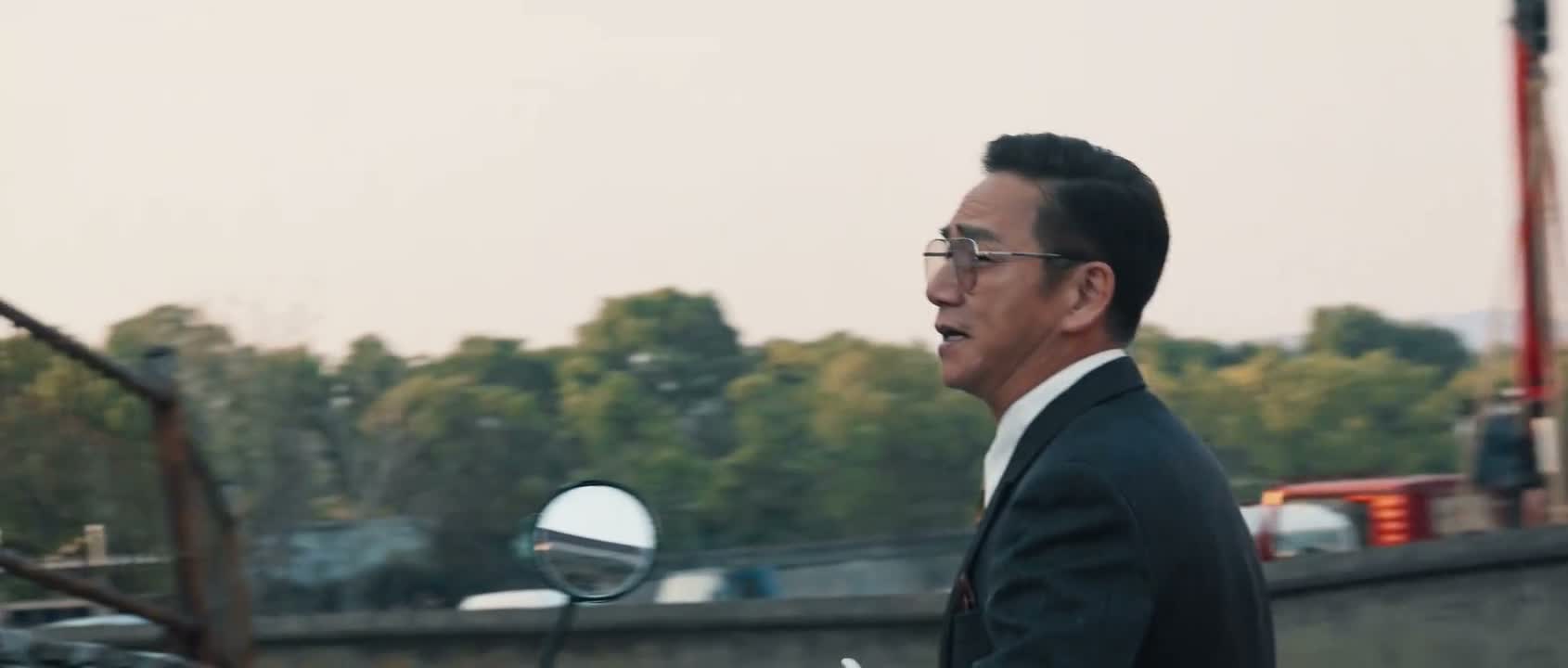
“I came to see you.”

“Yes. I never cared about you.”

“Have you ever truly cared about us?”

“I have never seen you give in to someone like this.”

“I just dropped in to see him. Nothing too important.”

“- She's gone weird. - What's she doing, huh?”