娃 听到没
“Kid, do you hear that?”
THE DIALOGUE REEL
是秦腔它有未来
“Qinqiang opera has a future.”
娃 听到没
“Kid, do you hear that?”
谁
“Who?”
Direct spoken expression in this communicative setting.
In northwestern dialects of China, 'Wa' is an affectionate and colloquial form of address used by elders toward children or younger relatives, reflecting informal kinship warmth.
LEARNING CHUNKS & PARTICLES
did you hear that? / did you catch that?
A colloquial question tag used to check if the listener is paying attention or has understood an important message.
kid / child / youngster
A colloquial address term prominent in Northern and Northwestern dialects like Shaanxi to warmly address younger people or one's child.
VOCABULARY & EXPRESSIONS
Parallel Spoken Cinema Scenes (语义近邻切片)

“Do you hear me?”

“What do you mean? So everything we just said, you did not hear any of it?”
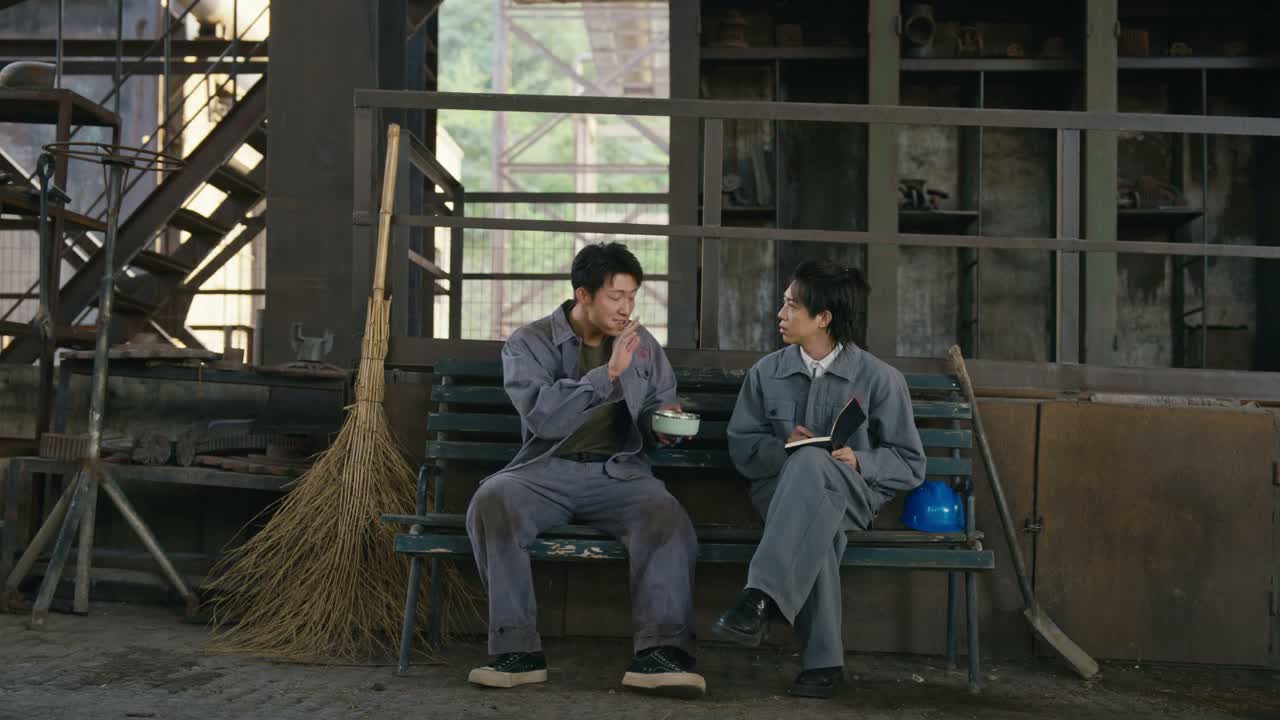
“I don't care anymore. You hear me?”
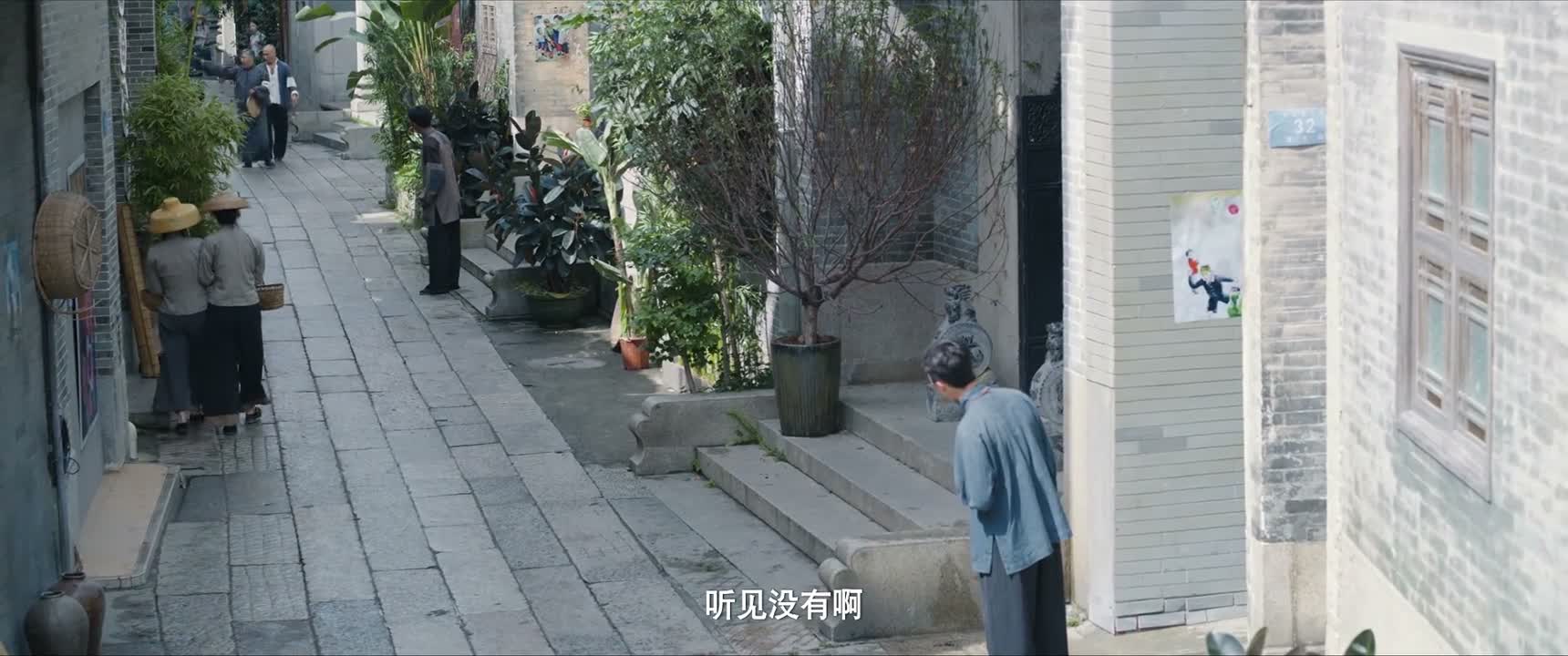
“Did you hear that?”