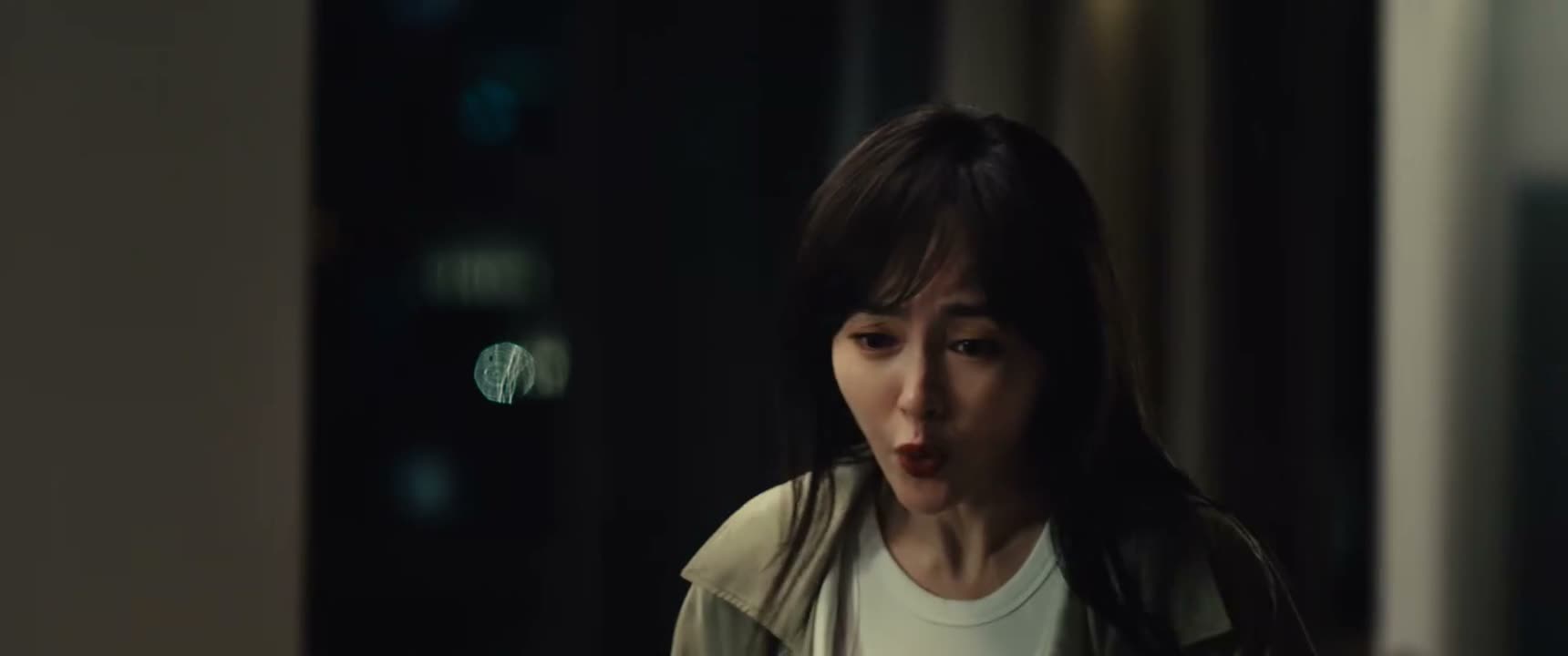
我没管过你 你怎么长这么大的
“Then how did you grow up like this?”
THE DIALOGUE REEL
我没管过你是吧
“I never cared about you?”
我 没管过 你 你 怎么长这么大的
“Then how did you grow up like this?”
你从小到大 吃的喝的穿的用的
“I worked hard to pay for your food,”
“How dare you say I neglected you when my sacrifices kept you alive and raised you!”
In Chinese parenting culture, providing material sustenance and raising a child to adulthood creates an undeniable moral debt; claiming a parent 'never cared' is viewed as an egregious breach of filial respect.
LEARNING CHUNKS & PARTICLES
ever cared for; ever disciplined or looked after
'管' carries the dual parental duty of discipline, provision, and nurturing.
grow up to be this big; reach adulthood
Frequently used by Chinese elders to emphasize the long duration and effort of raising a child.
Functions in the '是...的' construction to emphasize the manner or circumstance of the action, adding a strong rhetorical edge.
VOCABULARY & EXPRESSIONS
Parallel Spoken Cinema Scenes (语义近邻切片)
“I'm not managing your life. You were the one who kept me last night.”

“No one's there to nag me anymore.”

“None of your business. I'm not asking you to pay for it.”

“Don't bother with me. You can go.”

“I can't keep trying to control you.”

“No one to take care of or love me. I grew up wild and didn't really make any friends.”