《Wishing Upon the Shooting Stars》 S1·E2 (03:10)
HSK 7
wǒ ràng nǐ diū liǎn ràng nǐ méi miàn zi
我让你丢脸 让你没面子
“I embarrass you. I make you look bad.”
《Wishing Upon the Shooting Stars》
S1·E2
TIMECODE: 03:10
·
1080P MASTER AUDIO
THE DIALOGUE REEL
wǒ ràng nǐ diū liǎn ràng nǐ méi miàn zi
CURRENT FOCUS
我 让你丢脸 让你没面子
“I embarrass you. I make you look bad.”
[+1] FOLLOW-UP TURN
suǒ yǐ nǐ bù xiǎng rèn wǒ
所以你不想认我
“That's why you refuse to acknowledge me.”
Subtitles synced to millisecond timecode
Browse Show Clips →
Scene:
Crisis & Conflict
Function:
GUILT TRIPPING
Tone:
BITTER
Emotion:
RESENTMENT
WHAT THEY REALLY MEAN (PRAGMATIC SUBTEXT)
“You only care about social status and appearances, and you are ashamed of me.”
💡 Cultural Insight: Face Culture (Mianzi)
Face (面子) represents one's social dignity and reputation in Chinese culture; causing someone to lose face (丢脸) within family relationships is a profound source of interpersonal resentment and moral failure.
INTENT TAGS:
#accusing
#guilt_tripping
#expressing_hurt
#confrontation
🧩
2 CHUNKS · 0 PARTICLES
LEARNING CHUNKS & PARTICLES
丢脸
SPOKEN CHUNK
to lose face; to be humiliated
Common everyday phrase for feeling embarrassed or bringing shame to oneself or others.
没面子
SPOKEN CHUNK
to have no face; to suffer a loss of prestige or dignity
Often paired with causative verbs like 让人 or 觉得 to express feeling socially disgraced.
🏮
2 EXPR · 2 GRAMMAR
VOCABULARY & EXPRESSIONS
COLLOQUIAL EXPRESSIONS:
CROSS-CINEMA CORPUS BOARD · PARALLEL SCENES
EXPLORE BY SEMANTIC SIMILARITY
Parallel Spoken Cinema Scenes (语义近邻切片)

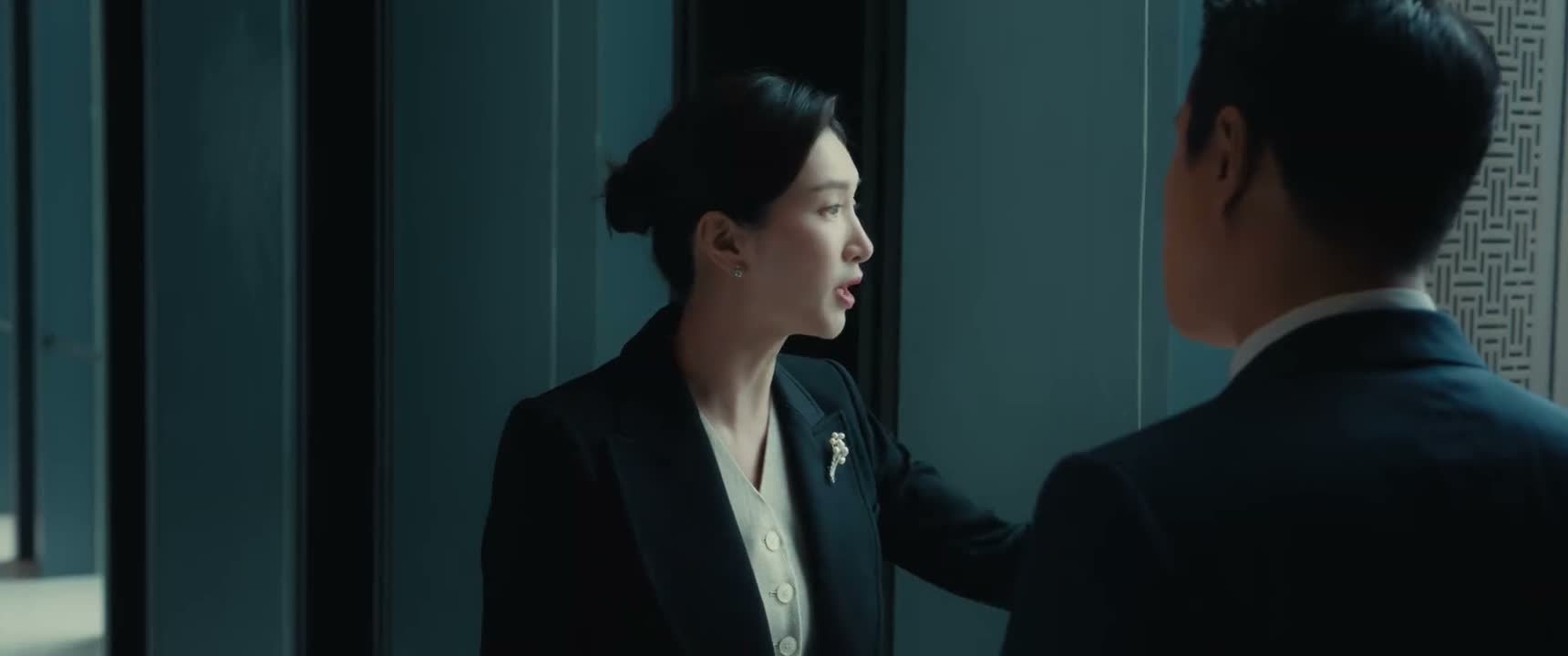
《Wishing Upon the Shooting Stars》 S1·E2 (03:10) · Authentic Cinema Dialogue Corpus