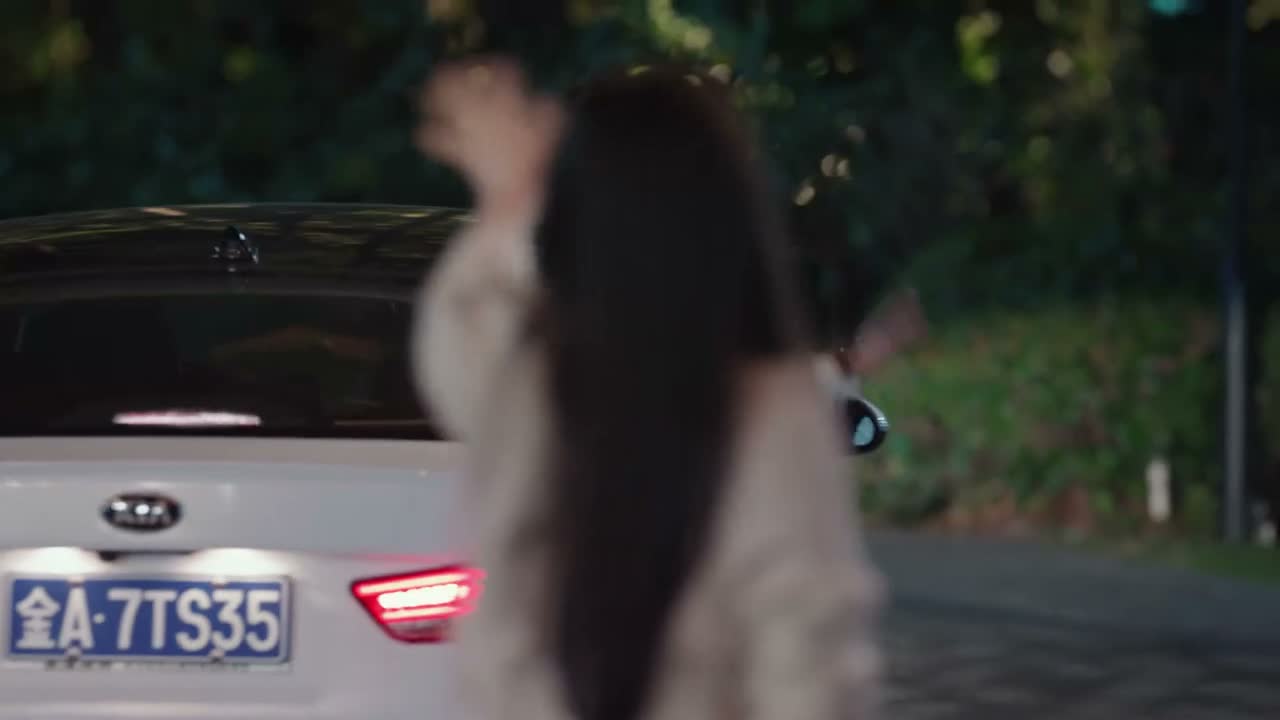
得嘞 明儿见吧
“Got it. See you tomorrow!”
THE DIALOGUE REEL
路上小心
“Take care.”
得嘞 明儿见 吧
“Got it. See you tomorrow!”
辛苦了 拜拜
“You've worked hard. Bye!”
Direct spoken expression in this communicative setting.
Colloquial markers like '得嘞' and rhotic forms like '明儿见' add warmth, cheerfulness, and approachability to daily interactions among peers.
LEARNING CHUNKS & PARTICLES
alright / you got it / sure thing
A colloquial northern/Beijing expression used to show cheerful, brisk agreement or acceptance of parting words.
see you tomorrow
A casual, rhotic variant of '明天见' commonly used in spoken Mandarin, especially in northern regions.
Softens the farewell, suggesting an amicable departure without being overly abrupt.
VOCABULARY & EXPRESSIONS
Parallel Spoken Cinema Scenes (语义近邻切片)
“See you tomorrow. Okay.”

“She asked if you would be free tomorrow and would like to meet you.”

“Sure! Don't be late tomorrow. Okay.”

“She asked if you would be free tomorrow and said she wanted to see you.”