再无心打理双清班
“and lost interest in managing the Shuangqing Troupe.”
THE DIALOGUE REEL
清曦班主嫁人以后 清筠日日饮酒
“After Leader Qingxi got married, Qing Yun drank every day”
再无心 打理 双清班
“and lost interest in managing the Shuangqing Troupe.”
十五年前 清筠跟着庞公去西北做生意 赚了笔大钱
“15 years ago, Qing Yun followed Mr. Pang to do business in the Northwest and made a fortune.”
Direct spoken expression in this communicative setting.
In traditional China, an operatic troupe ('ban') was often run like a close-knit clan or family business, deeply reliant on the emotional cohesion and leadership of its heads.
LEARNING CHUNKS & PARTICLES
to have no mood or desire (to do something); unintentionally
Frequently used before verbs like 打理, 学习, or 工作 to convey a complete absence of mental energy or willingness to carry out a task.
to take care of; to manage; to look after
Commonly paired with business affairs, household duties, or daily organization.
VOCABULARY & EXPRESSIONS
Parallel Spoken Cinema Scenes (语义近邻切片)

“Is the Shuangqing Troupe not earning enough for her?”

“Even the Shuangqing Troupe Leader Qing Li was slightly inferior to her.”

“it's always available for the Shuangqing Troupe.”
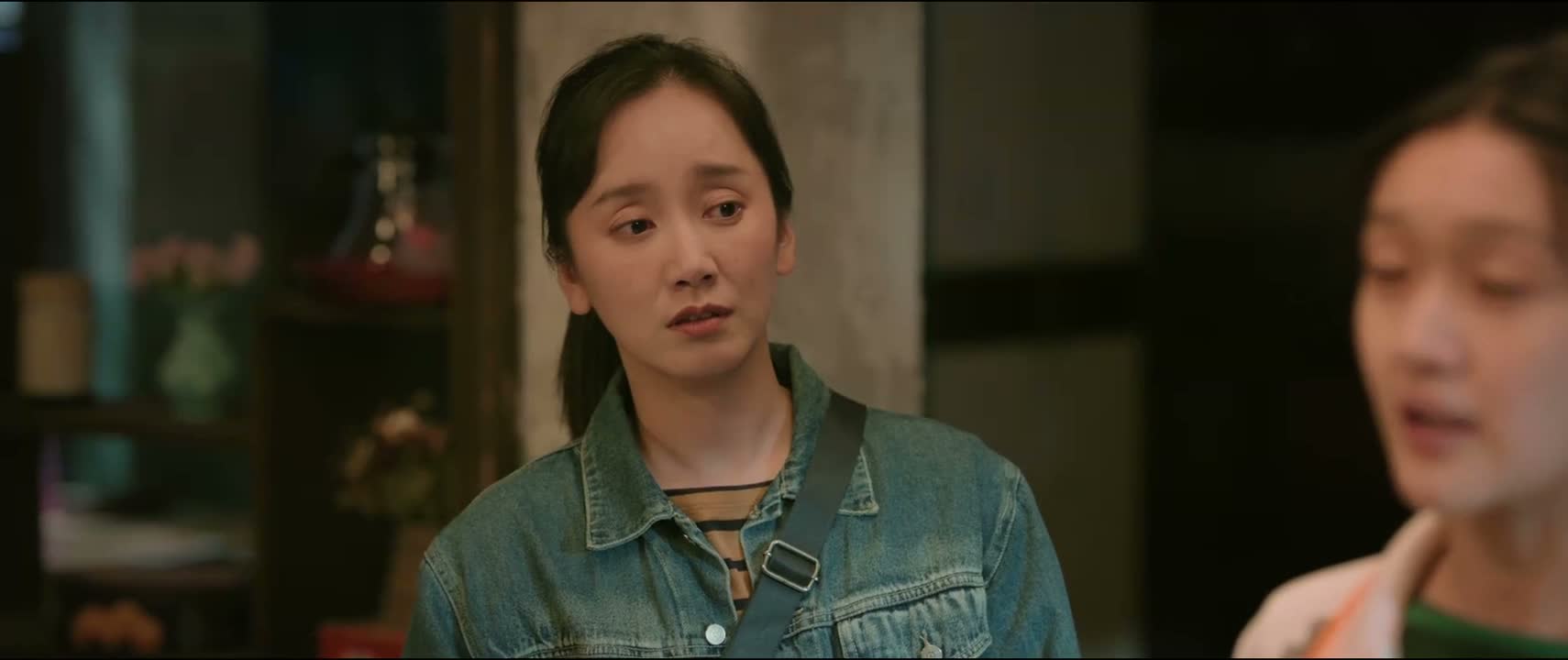
“We're even now. I don't owe her anything.”

“That's not true. There was another leader, Qingxi.”
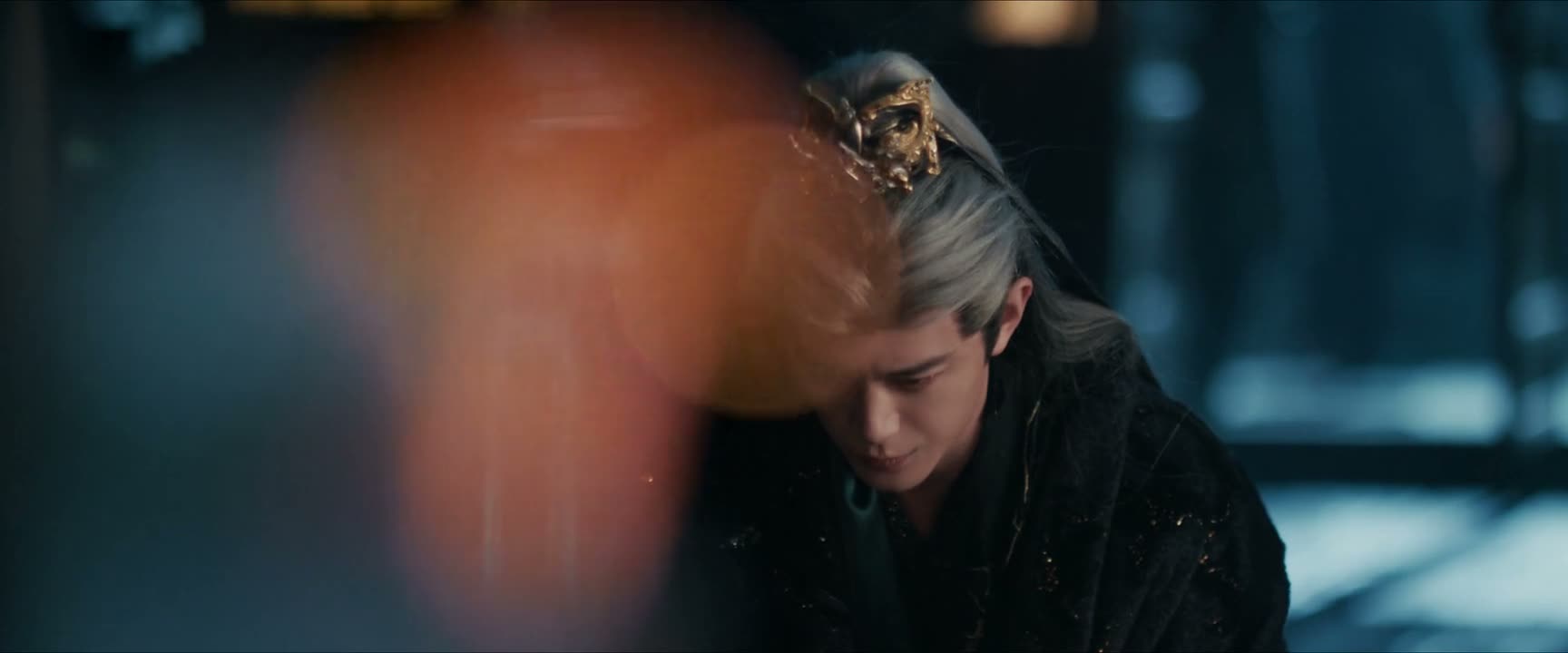
“nor do I wish to compete with Yuanqing.”