我不该私自开公司的车出去
“I shouldn't have used a company car without consent.”
THE DIALOGUE REEL
荣哥 我错了
“Mr. Zhou, I did wrong.”
我 不该 私自 开公司 的车 出去
“I shouldn't have used a company car without consent.”
荣哥
“Mr. Zhou.”
“I know I violated company rules, please go easy on me.”
Promptly enumerating one's specific mistake before an elder or superior demonstrates a sincere attitude (态度良好), which is critical for earning leniency.
LEARNING CHUNKS & PARTICLES
I should not have
A standard construction used to express regret and accept responsibility for an error.
without permission / privately
Used in formal or semi-formal contexts to describe unauthorized actions that breach regulations or trust.
VOCABULARY & EXPRESSIONS
Parallel Spoken Cinema Scenes (语义近邻切片)

“Don't tell anyone about the car.”

“I'm driving, aren't I?”

“Drive! You can't go. Get out of the car now. Okay?”
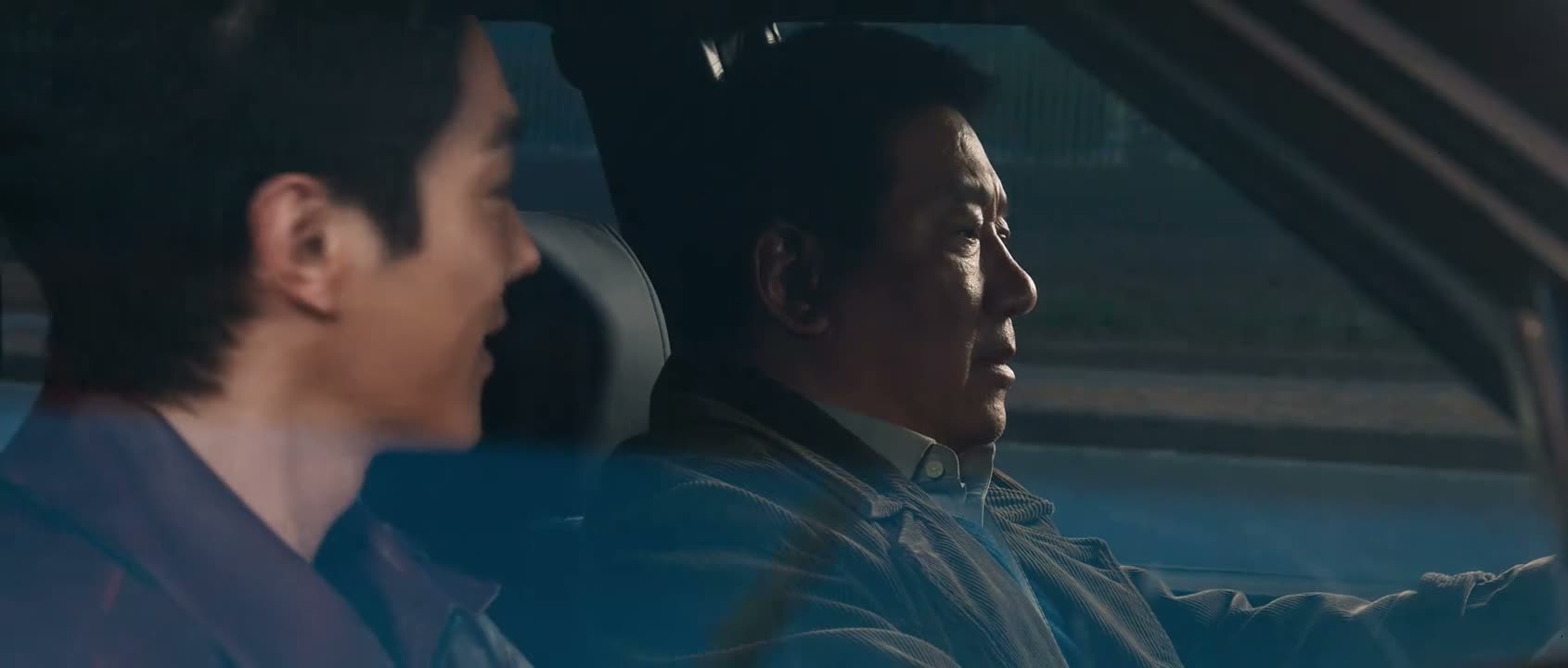
“Is it because you're nervous driving this car?”

“(I really didn't want to get in that car.)”
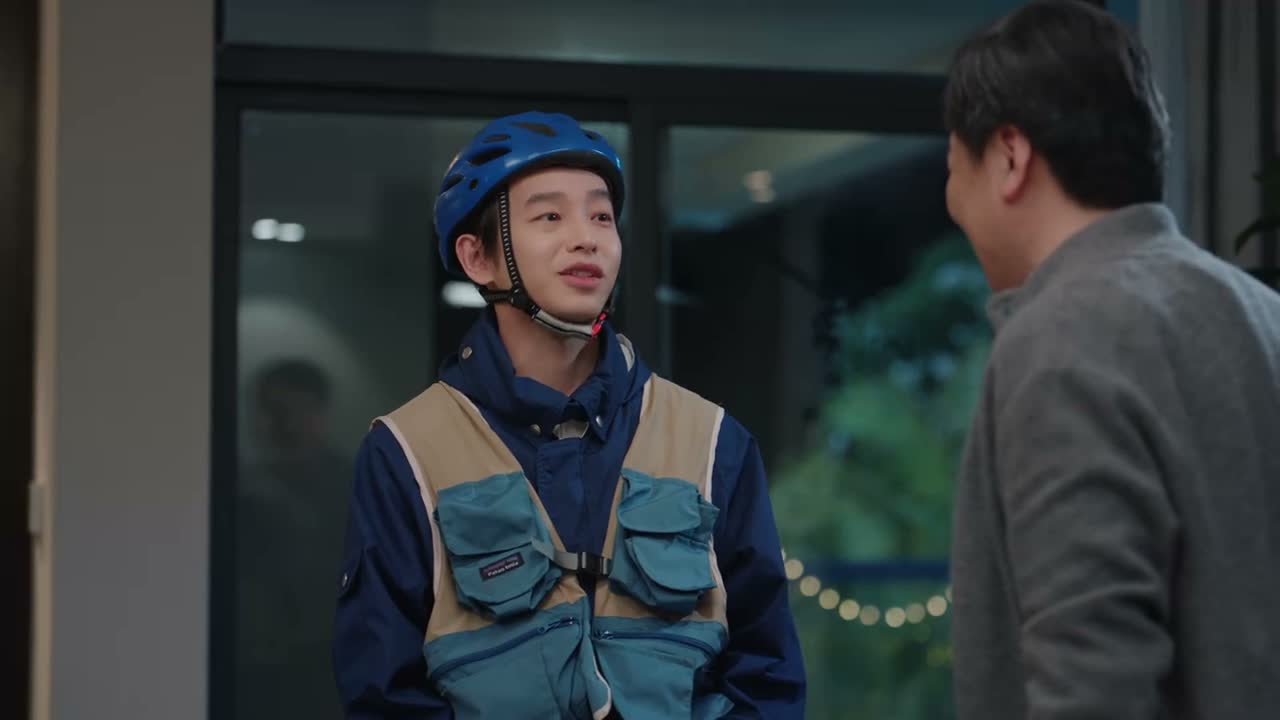
“It's fine. I drove myself. You drove yourself?”