朕怎能让他弃尸于荒野
“How could I leave him in the wilderness?”
THE DIALOGUE REEL
先野为大梁社稷而死
“Xianye died for our nation.”
朕 怎能 让他 弃尸于荒野
“How could I leave him in the wilderness?”
但
“But sadly,”
“He died for my realm, so there is no way I will leave his remains abandoned without an honorable burial.”
Traditional Chinese statecraft emphasizes imperial benevolence; ensuring fallen loyal subjects receive proper burial and post-mortem honors is essential to upholding moral legitimacy.
LEARNING CHUNKS & PARTICLES
how can/could (one)
Commonly introduces a rhetorical question expressing strong disapproval, disbelief, or an ethical impossibility.
to abandon a corpse in the wilderness
A classical four-character literary phrase denoting the tragedy of dying without a proper burial or funeral rites.
VOCABULARY & EXPRESSIONS
Parallel Spoken Cinema Scenes (语义近邻切片)

“♪ We can dance together ♪ I must ensure his death was not for nothing, ♪ On the ruins fearlessly ♪”
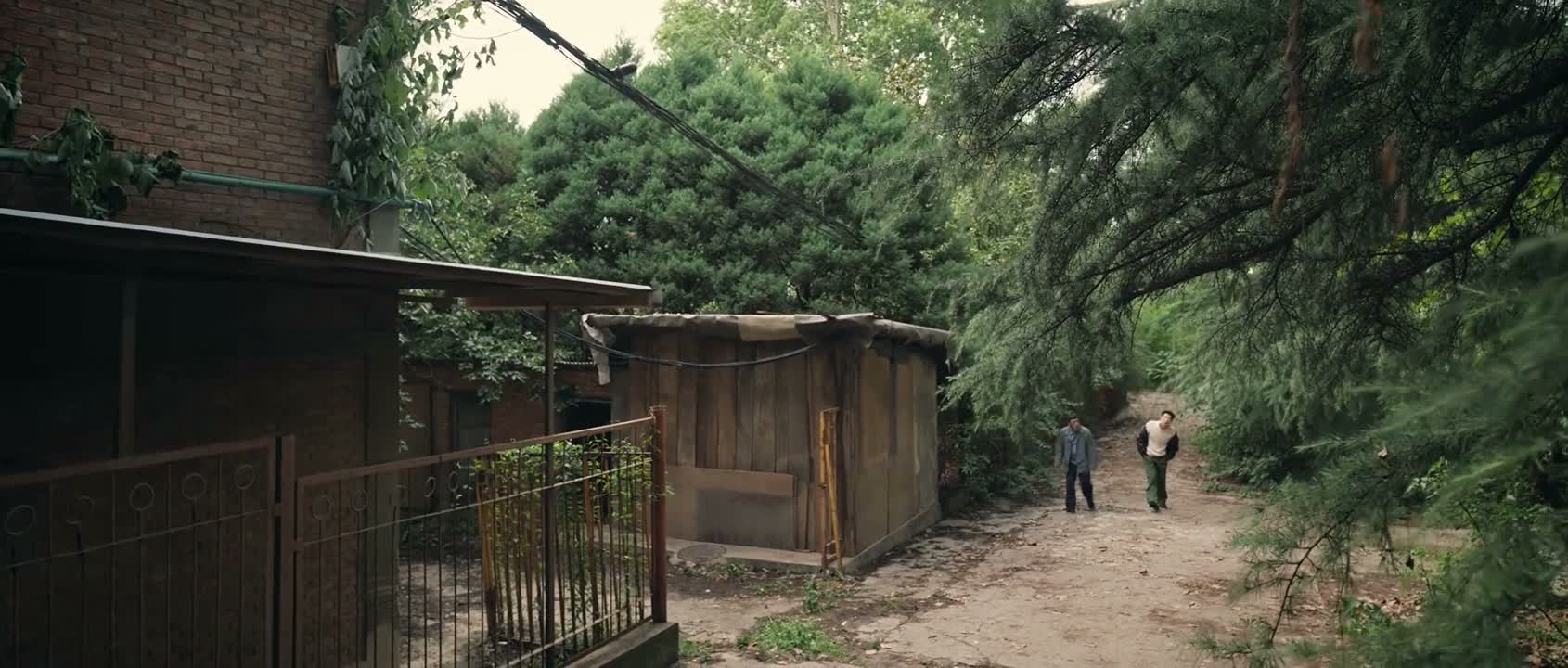
“abandoned just like that.”

“And how do I answer to the people?”

“nor should I have let him flee the palace.”

“How could you let him escape?”

“he probably won't take away my pasture, right?”