更不该让他离宫出逃啊
“nor should I have let him flee the palace.”
THE DIALOGUE REEL
我的儿啊 是朕害了我的彻儿 朕不该对他如此严苛
“My son! I am to blame for Che's death. I shouldn't have been so harsh on him, nor should I have let him flee the palace.”
更不该 让他 离宫出逃 啊
“nor should I have let him flee the palace.”
原本想他能活个自由自在
“I only wanted him to live freely.”
Direct spoken expression in this communicative setting.
Imperial fathers often grappled with severe emotional conflicts between enforcing strict dynastic discipline and genuine parental affection.
LEARNING CHUNKS & PARTICLES
even less should (one) have done something
Used to introduce an even greater degree of regret or mistake following a previous grievance.
flee and escape from the imperial palace
A formal historical four-character phrase describing an escape from royal grounds.
Intensifies the raw emotional pain, sorrow, and deep lamentation of the utterance.
VOCABULARY & EXPRESSIONS
Parallel Spoken Cinema Scenes (语义近邻切片)

“We absolutely must not let him escape.”
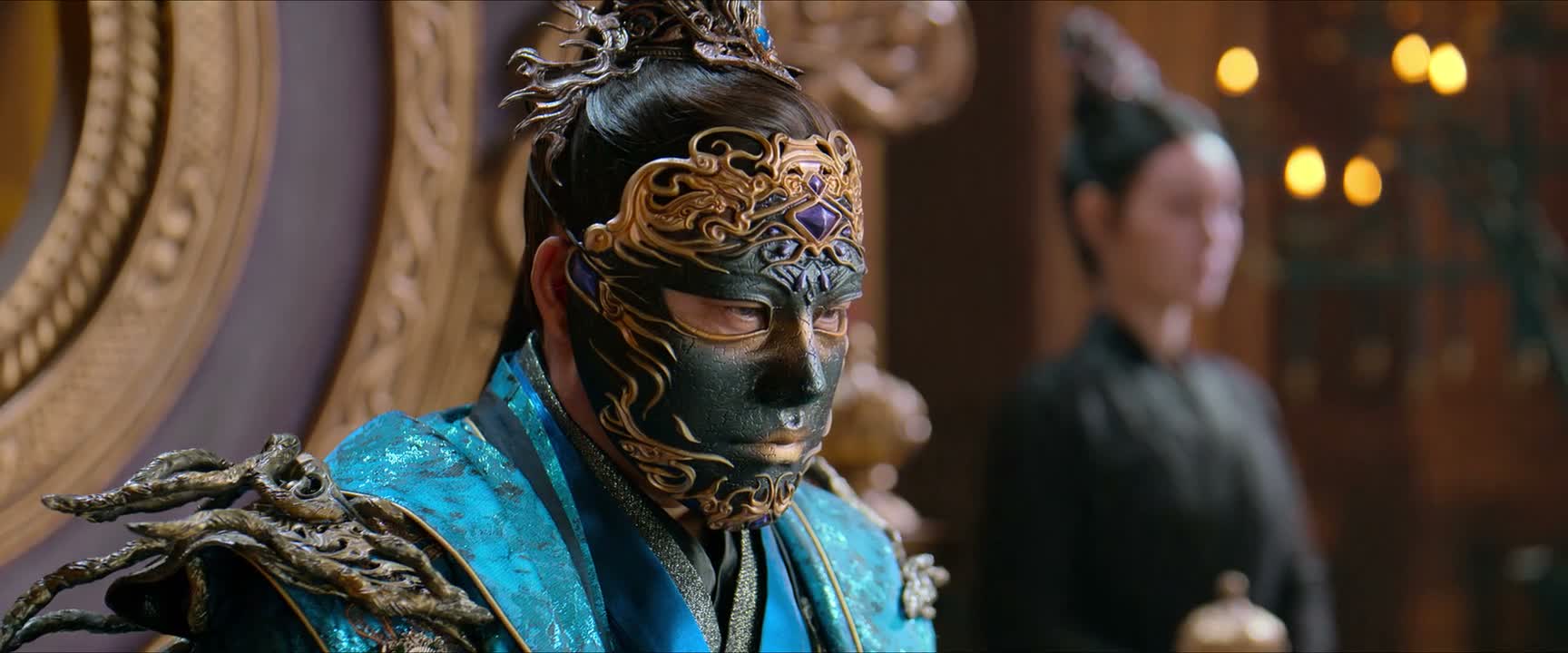
“Don't let him cause trouble.”
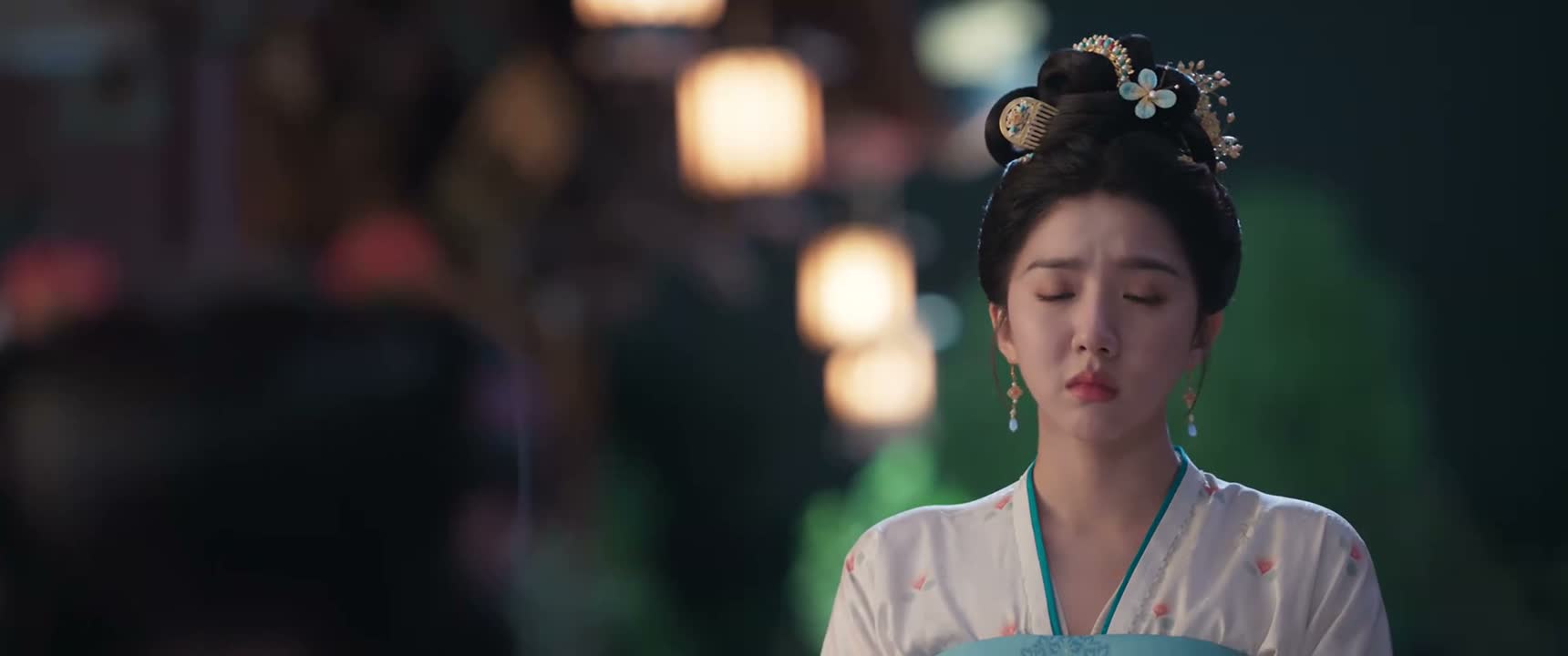
“would be driven out of the palace”

“he just didn't want Zigui to return.”
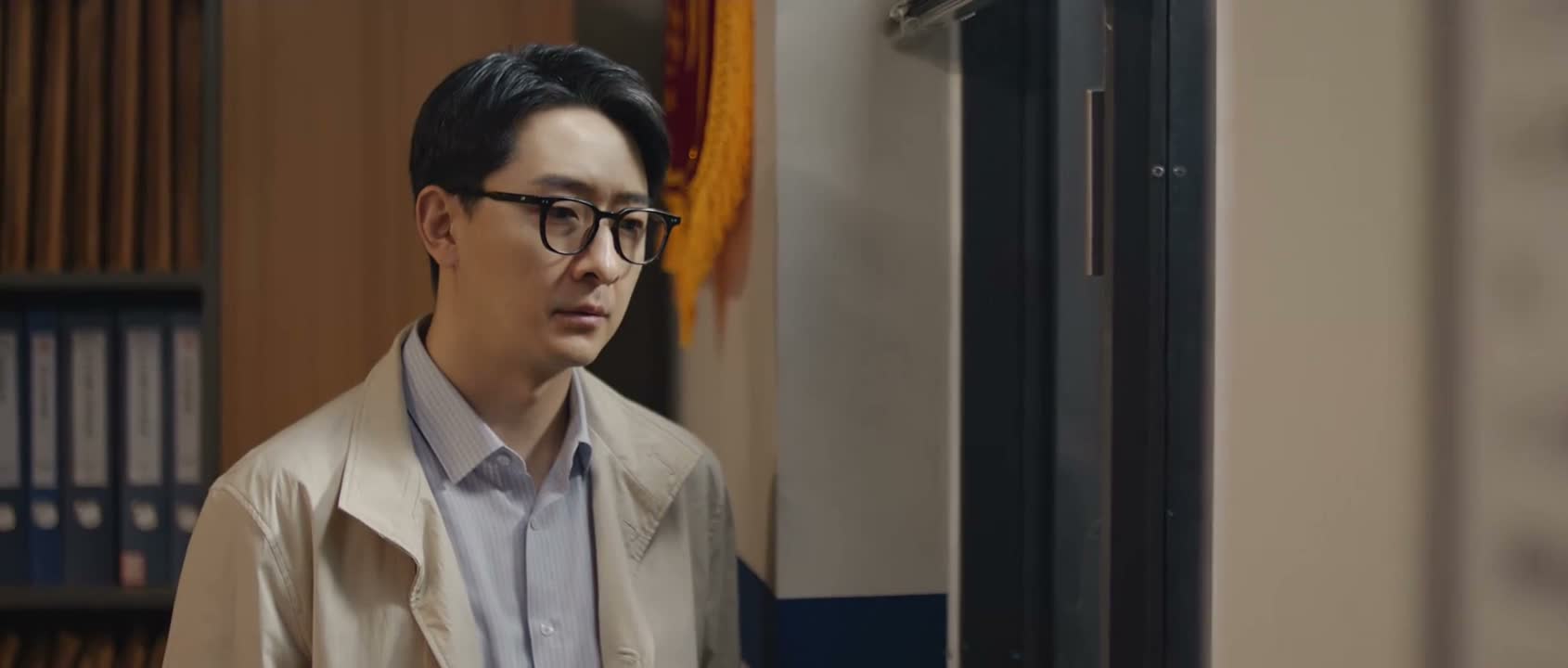
“we can just watch him walk out.”

“I certainly won't let them go.”