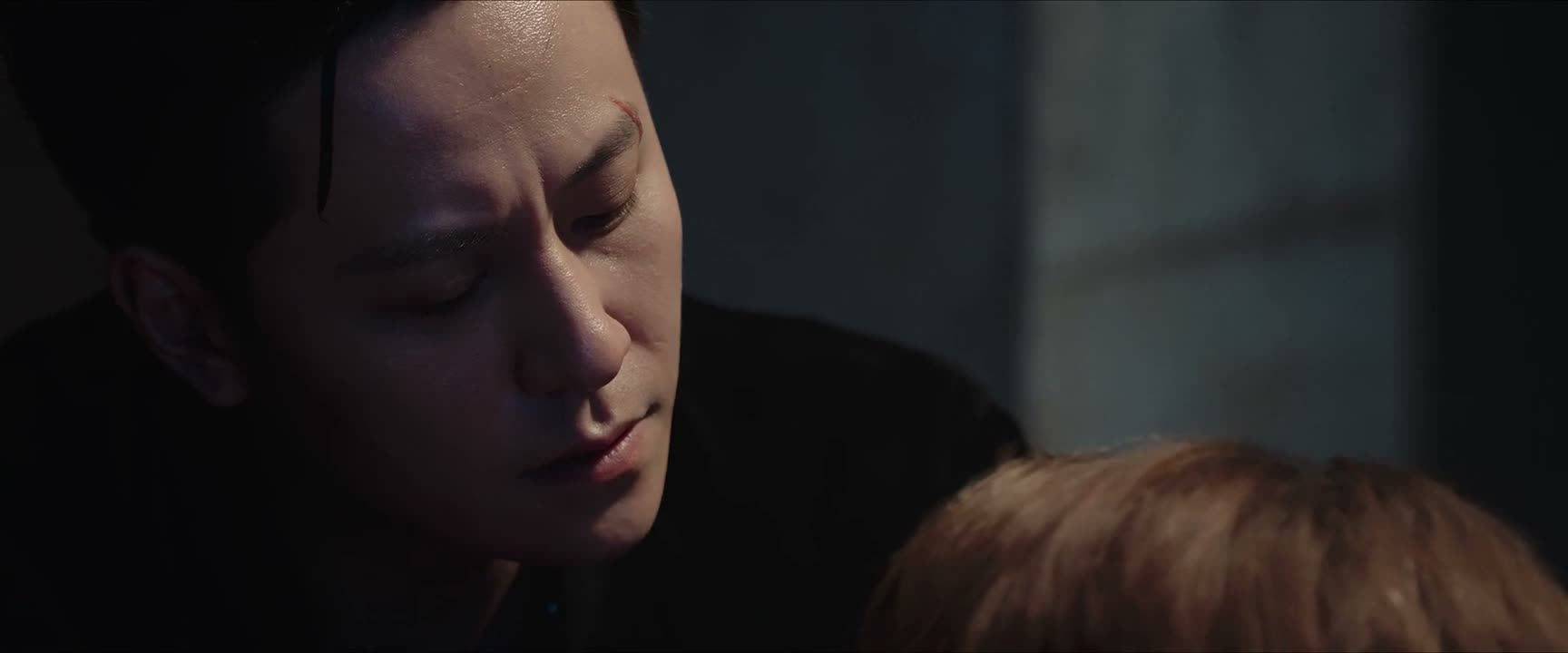
知道捕鼠笼吗 什 什么意思啊
“Do you know what a rat trap is? W-What do you mean?”
THE DIALOGUE REEL
又怎么了
“What's wrong now?”
知道 捕鼠笼吗 什 什么意思啊
“Do you know what a rat trap is? W-What do you mean?”
我们现在就是里边那鼠
“We are the rats caught inside it right now.”
“Don't talk in riddles—tell me straight out what danger we are in!”
Chinese dialogue often uses vivid everyday metaphors (like trapped vermin) to convey fatal entrapment before stating the cold reality.
LEARNING CHUNKS & PARTICLES
what do you mean / what is the meaning of this
An essential spoken phrase used to demand clarification, either genuinely confused or challenged.
rat trap / mouse cage
A noun used both literally and metaphorically to depict an inescapable ambush.
Forms a yes-no question checking the listener's awareness of the concept.
Softens the blunt question while signaling genuine perplexity and nervousness.
VOCABULARY & EXPRESSIONS
Parallel Spoken Cinema Scenes (语义近邻切片)

“It means if I see a villain's sheep,”

“Groundless?”

“You're the pot calling the kettle black.”

“Are you a constable here?”
“If you get caught... Understood.”

“Like you were projecting.”