她应该管我叫姨呢 她的领养手续 都是我办的
“she should call me Auntie. I handled all the paperwork for her adoption.”
THE DIALOGUE REEL
“You must know her, right? Hello, Sister Wang. We know each other. Strictly speaking,”
她应该 管我叫姨 呢 她的领养 手续 都是我办的
“she should call me Auntie. I handled all the paperwork for her adoption.”
是啊 我妈常提起您 王阿姨 我可不想那么叫啊
“Yes. My mom mentions you often. Auntie Wang. I don't want to be called that.”
“You owe me respect and senior courtesy because of my seniority and the massive favor I did for your family.”
Chinese social etiquette places immense importance on generational rank, where proper address reflects social order and respect.
Mentioning that she handled the adoption paperwork invokes a historical favor that reinforces her moral and relational authority.
LEARNING CHUNKS & PARTICLES
to address someone as; to call someone by a certain title
Standard conversational structure used to specify formal or informal titles and forms of address.
according to generational seniority
Used when determining the correct relational kinship title regardless of actual biological age.
Emphasizes the speaker's viewpoint, adding a mild tone of assertion about rightful seniority.
VOCABULARY & EXPRESSIONS
Parallel Spoken Cinema Scenes (语义近邻切片)

“But she doesn't acknowledge me.”

“Auntie. This is the kid I told you about.”

“Have Ms. Liu cook her something nice. Look at you.”
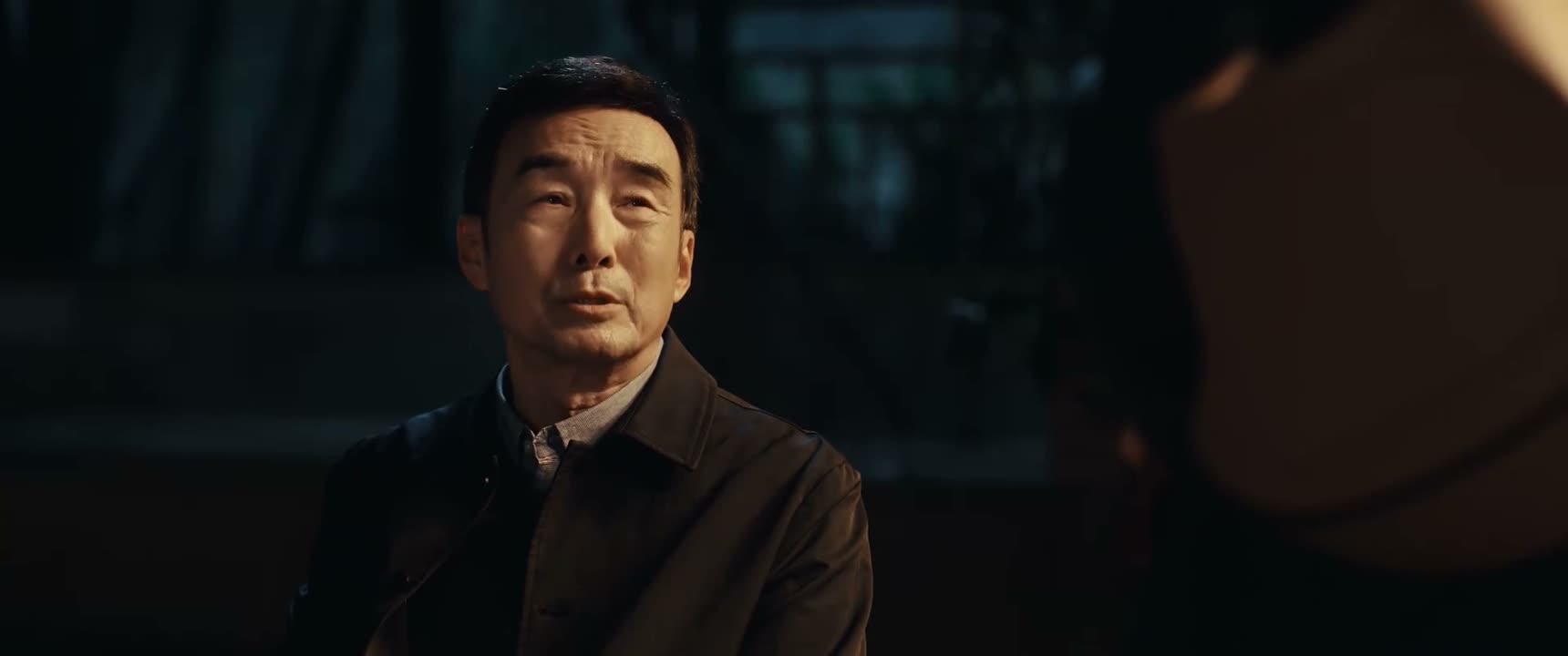
“that if something happens, I'll take care of her, that's enough.”

“Auntie keeps this place pretty clean. She cleans it every day.”

“even this concubine knows proper manners well.”