MC
MandarinClips Cinema Corpus
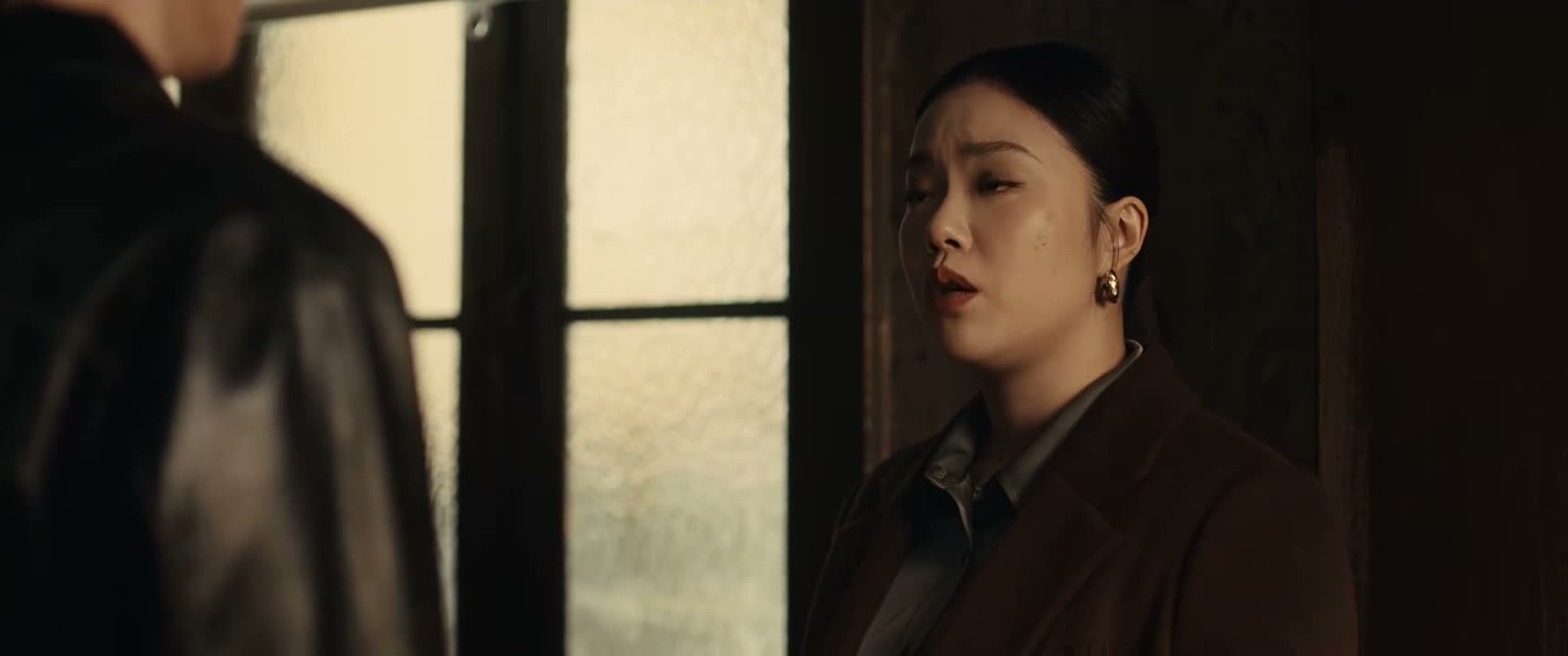
《The First Jasmine》 S1·E12 (11:40) HSK 6
kě wèi shén me jià le rén

可为什么嫁了人

“So why did I end up like this after getting married?”

《The First Jasmine》 S1·E12
TIMECODE: 11:40 · 1080P MASTER AUDIO

THE DIALOGUE REEL

1+1+1 SPOKEN CONTINUITY
[-1] PREVIOUS TURN tā yě bù néng qī fù le wǒ

她也不能欺负了我

“Even Ye Li, as prominent as she was, couldn't bully me.”

kě wèi shén me jià le rén CURRENT FOCUS

可 为什么 嫁了人

“So why did I end up like this after getting married?”

[+1] FOLLOW-UP TURN huì shì zhè yàng

会是这样

“So why did I end up like this after getting married?”

Subtitles synced to millisecond timecode Browse Show Clips →
Scene: Family & Home
Function: EXPRESSING DISAPPOINTMENT
Tone: PLAINTIVE
Emotion: GRIEF
WHAT THEY REALLY MEAN (PRAGMATIC SUBTEXT)
“Marriage was supposed to be safe, so why is it bringing me so much pain?”
💡 Cultural Insight: Gendered Marriage Verbs (Jia vs. Qu)

Chinese strictly distinguishes a woman marrying out ('jia') from a man taking a wife ('qu'), carrying historical connotations of a woman leaving her birth family to adapt to a new domestic sphere.

INTENT TAGS: #disillusionment #questioning #lamentation #vulnerability
🧩

LEARNING CHUNKS & PARTICLES

2 CHUNKS · 1 PARTICLES
可为什么 SPOKEN CHUNK

but why; how come

Used to introduce an emotional question when confronting an unexpected, painful reality.

嫁了人 SPOKEN CHUNK

got married (specifically of a woman entering a marital family)

Refers exclusively to a woman marrying into a husband's household in spoken Chinese.

Modal Particle「了」 (le) CHANGE OF STATE

Indicates the change of status or completed transition into married life.
🏮

VOCABULARY & EXPRESSIONS

2 EXPR · 0 GRAMMAR
CROSS-CINEMA CORPUS BOARD · PARALLEL SCENES

Parallel Spoken Cinema Scenes (语义近邻切片)

EXPLORE BY SEMANTIC SIMILARITY
《The First Jasmine》 S1·E12 (11:40) · Authentic Cinema Dialogue Corpus