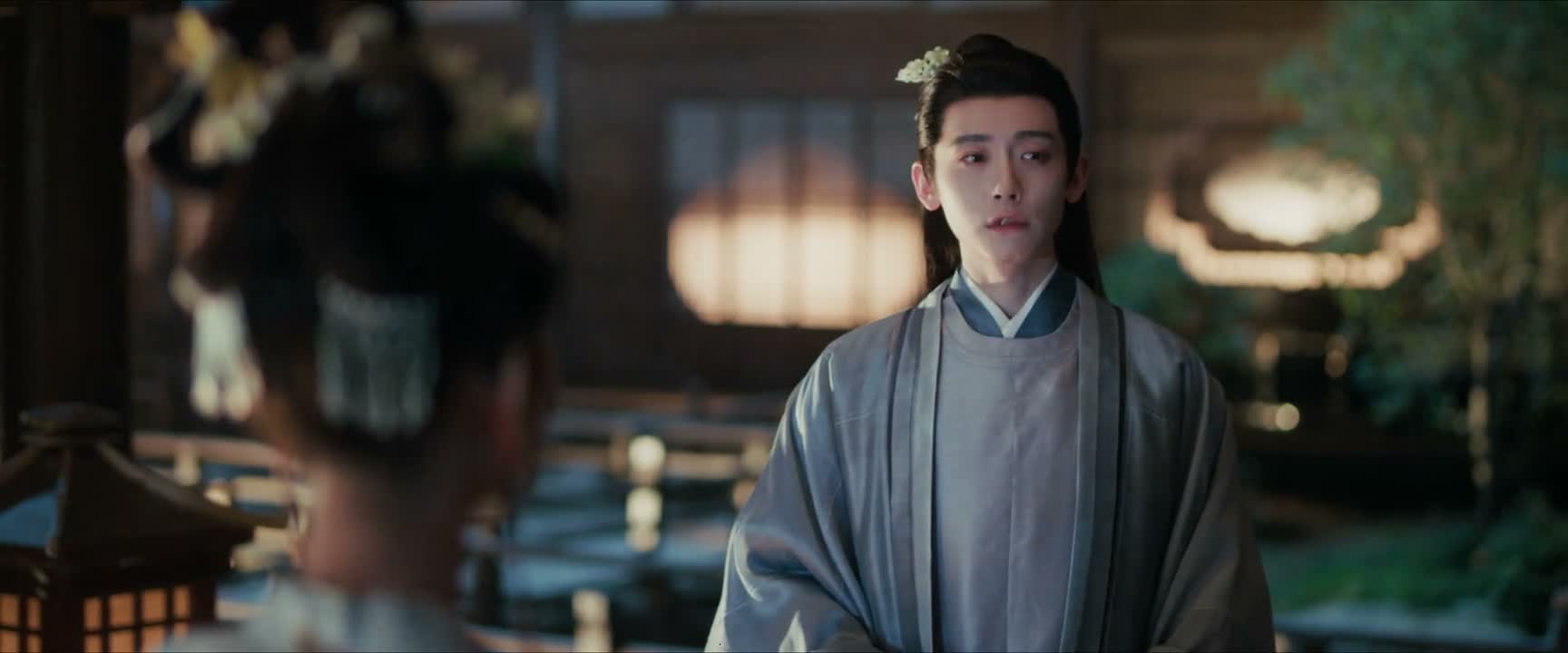
那曾如日中天的东宫
“The Eastern Palace, which was once at its zenith,”
THE DIALOGUE REEL
待我踏入宫门时 皇祖父已然驾崩
“By the time I arrived at the palace, my grandfather had already passed away.”
那曾 如日中天 的东宫
“The Eastern Palace, which was once at its zenith,”
也在一场大火中焚作焦墟
“was also burned to scorched ruins in a great fire.”
Direct spoken expression in this communicative setting.
Palace architecture often symbolized political factions; the 'Eastern Palace' was synonymous with the Crown Prince's political power base.
LEARNING CHUNKS & PARTICLES
At the peak of power or influence (like the midday sun)
An idiom used to describe someone or an institution at the zenith of prosperity or glory.
The Eastern Palace (referring to the Crown Prince or heir apparent)
A historical term used metonymically to refer to the heir to the throne or their residence.
VOCABULARY & EXPRESSIONS
Parallel Spoken Cinema Scenes (语义近邻切片)

“or even help me enter the Eastern Palace one day as Crown Princess, and eventually become the Empress.”

“As long as the Eastern Palace rises, things will be alright. Will they?”

“Once the Eastern Palace rises, everything will be fine. You wish.”

“The fire in the Eastern Palace”

“My mother toiled all her life for the Eastern Palace,”
“a dragon robe was found in the Eastern Palace.”