MC
MandarinClips Cinema Corpus
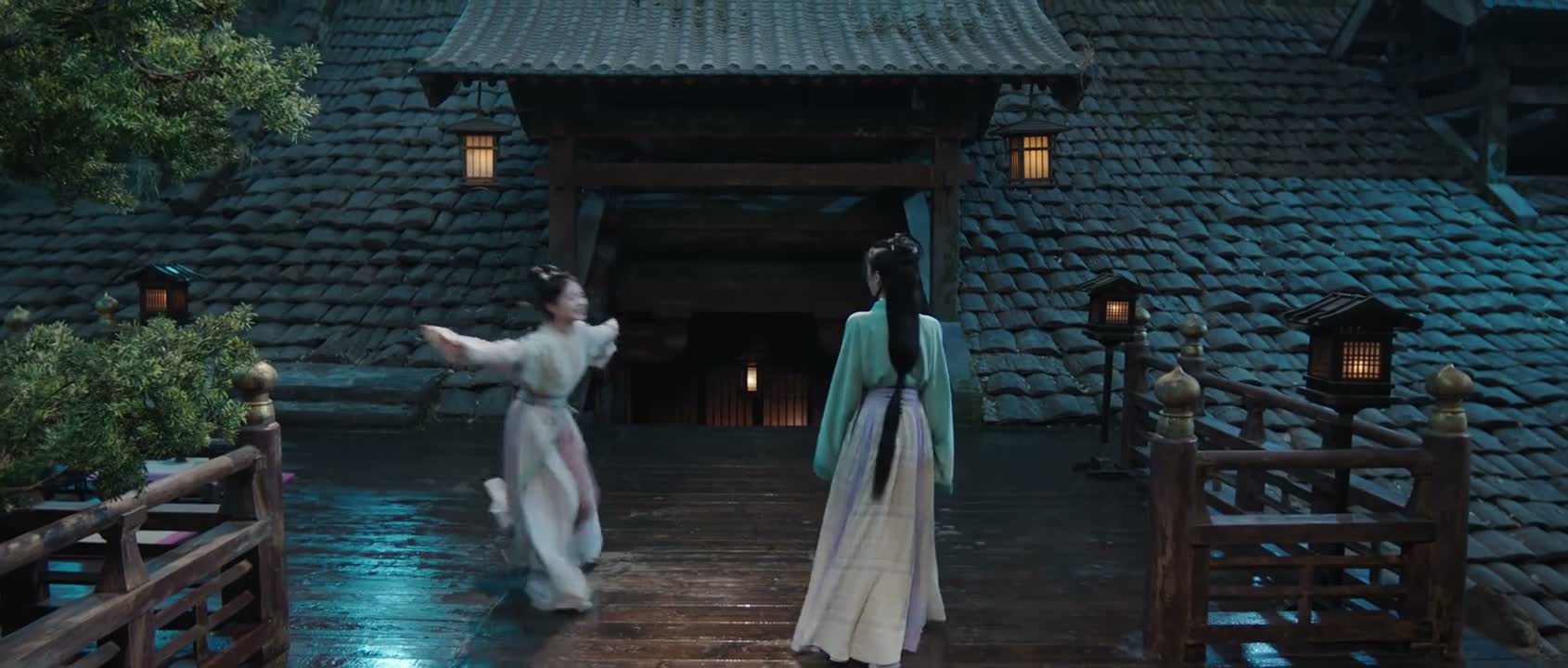
《The First Jasmine》 S1·E12 (34:22) HSK 4
nǐ kě suàn huí lái le zhè jǐ rì zěn me zǒng zǎo chū wǎn guī de

你可算回来了 这几日怎么总早出晚归的

“You're finally back. Why have you been leaving early and returning late?”

《The First Jasmine》 S1·E12
TIMECODE: 34:22 · 1080P MASTER AUDIO

THE DIALOGUE REEL

1+1+1 SPOKEN CONTINUITY
[-1] PREVIOUS TURN yè niáng zǐ lái xún fēi bái hé shì

叶娘子 来寻飞白何事

“Lady Ye, what brings you to seek Feibai?”

nǐ kě suàn huí lái le zhè jǐ rì zěn me zǒng zǎo chū wǎn guī de CURRENT FOCUS

你 可算回来了 这几日 怎么 总 早出晚归 的

“You're finally back. Why have you been leaving early and returning late?”

[+1] FOLLOW-UP TURN wǒ jìn rì yǒu shì

我近日有事

“I've been busy lately.”

Subtitles synced to millisecond timecode Browse Show Clips →
Scene: Daily Life
Function: INQUIRING WHEREABOUTS
Tone: INQUISITIVE
Emotion: CURIOSITY
WHAT THEY REALLY MEAN (PRAGMATIC SUBTEXT)
“I have been waiting for you, and your absence makes me suspicious.”
💡 Cultural Insight: Guanxin (Caring Inquiry)

In Chinese culture, asking specifically about someone's schedule is often a standard way to show care rather than an invasion of privacy.

INTENT TAGS: #inquiring #probing #welcoming #concern
🧩

LEARNING CHUNKS & PARTICLES

2 CHUNKS · 2 PARTICLES
可算 SPOKEN CHUNK

finally / at long last

Used to express relief or impatience after waiting for something to happen.

早出晚归 SPOKEN CHUNK

to go out early and return late

A common idiom describing someone working extremely hard or staying away from home all day.

Modal Particle「了」 (le) CHANGE OF STATE

Marks the completion of returning and signals the change in state.

Modal Particle「的」 (de) CHANGE OF STATE

Placed at the end of the question to emphasize the habitual nature of the action.
🏮

VOCABULARY & EXPRESSIONS

3 EXPR · 0 GRAMMAR
CROSS-CINEMA CORPUS BOARD · PARALLEL SCENES

Parallel Spoken Cinema Scenes (语义近邻切片)

EXPLORE BY SEMANTIC SIMILARITY
《The First Jasmine》 S1·E12 (34:22) · Authentic Cinema Dialogue Corpus