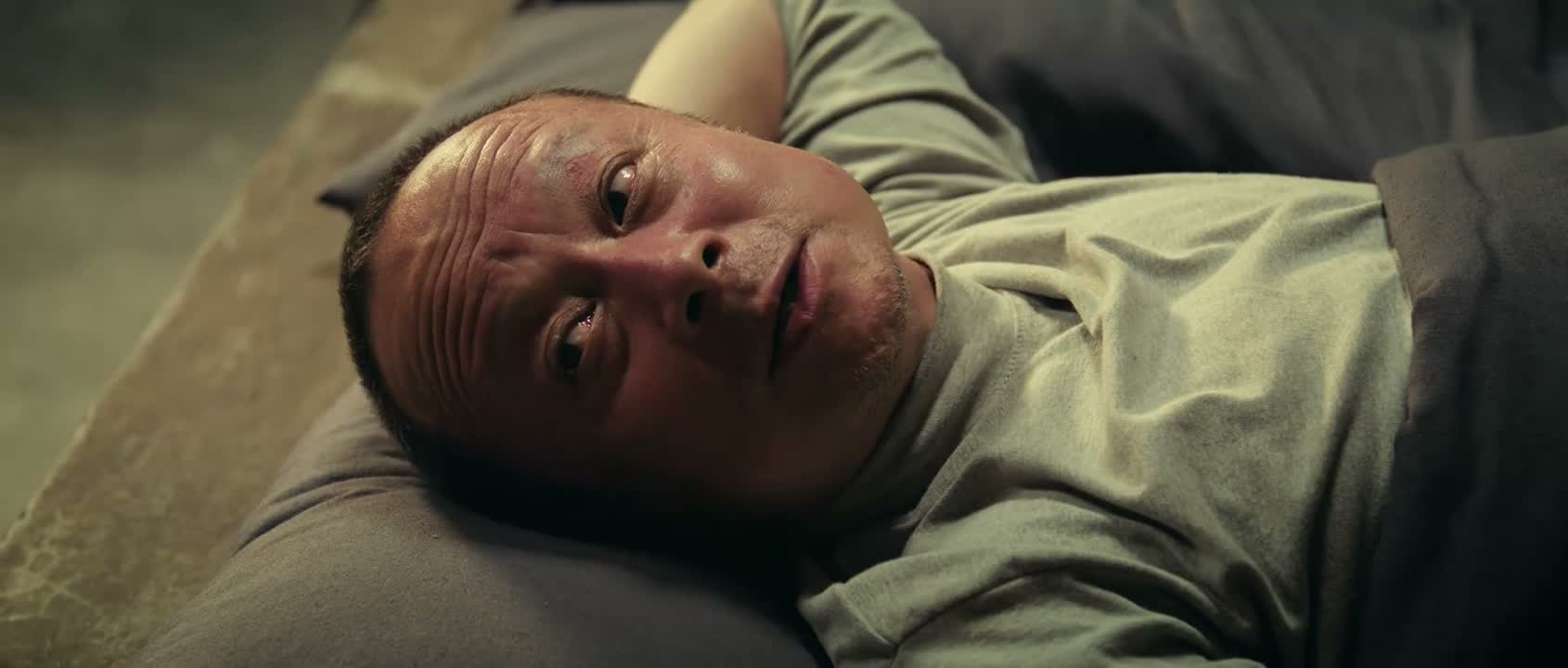
治不好的 治得好
“It can't be cured. It can be cured.”
THE DIALOGUE REEL
也不能看你就这样放弃自己
“I cannot bear, nor can I stand by and watch you give up on yourself.”
治不好 的 治得好
“It can't be cured. It can be cured.”
“Your Highness, let me try. I promise it will definitely be cured.”
Direct spoken expression in this communicative setting.
Pairing negative and positive potential complements (治不好 vs 治得好) creates immediate dramatic tension and emphatic contradiction in spoken discourse.
LEARNING CHUNKS & PARTICLES
curable / can be treated successfully
A potential complement structure used to express the feasibility of curing an ailment.
incurable / cannot be treated successfully
The negative counterpart of '治得好', indicating medical hopelessness.
Used at the end of the first phrase to assert the pessimistic evaluation with finality.
VOCABULARY & EXPRESSIONS
Parallel Spoken Cinema Scenes (语义近邻切片)

“if I can be cured by ganoderma.”

“How? I have the right medicine.”

“if you don't, it's His Majesty's fault for choosing you?”

“If you don't cure it, you'll be ruined.”

“That is not for you to decide.”
“It works anyway. What's the difference?”