你全身而退 我背负骂名
“You walk away unscathed, and I bear all the blame.”
THE DIALOGUE REEL
开门
“Open the door!”
你 全身而退 我 背负骂名
“You walk away unscathed, and I bear all the blame.”
这就是你想
“Is this what you wanted,”
“You think you can just wash your hands of this and leave me to take all the blame? No way.”
Chinese interpersonal dynamics place heavy emphasis on sharing collective responsibility; abandoning a partner to shoulder social condemnation alone is viewed as a severe ethical betrayal.
LEARNING CHUNKS & PARTICLES
to escape unhurt; to walk away completely unscathed
A common four-character idiom used when someone successfully exits a dangerous or compromising situation without suffering harm or loss.
to bear public condemnation; to carry a bad reputation
A dramatic expression used when someone takes all the public blame, criticism, or stigma for a controversial action.
VOCABULARY & EXPRESSIONS
Parallel Spoken Cinema Scenes (语义近邻切片)
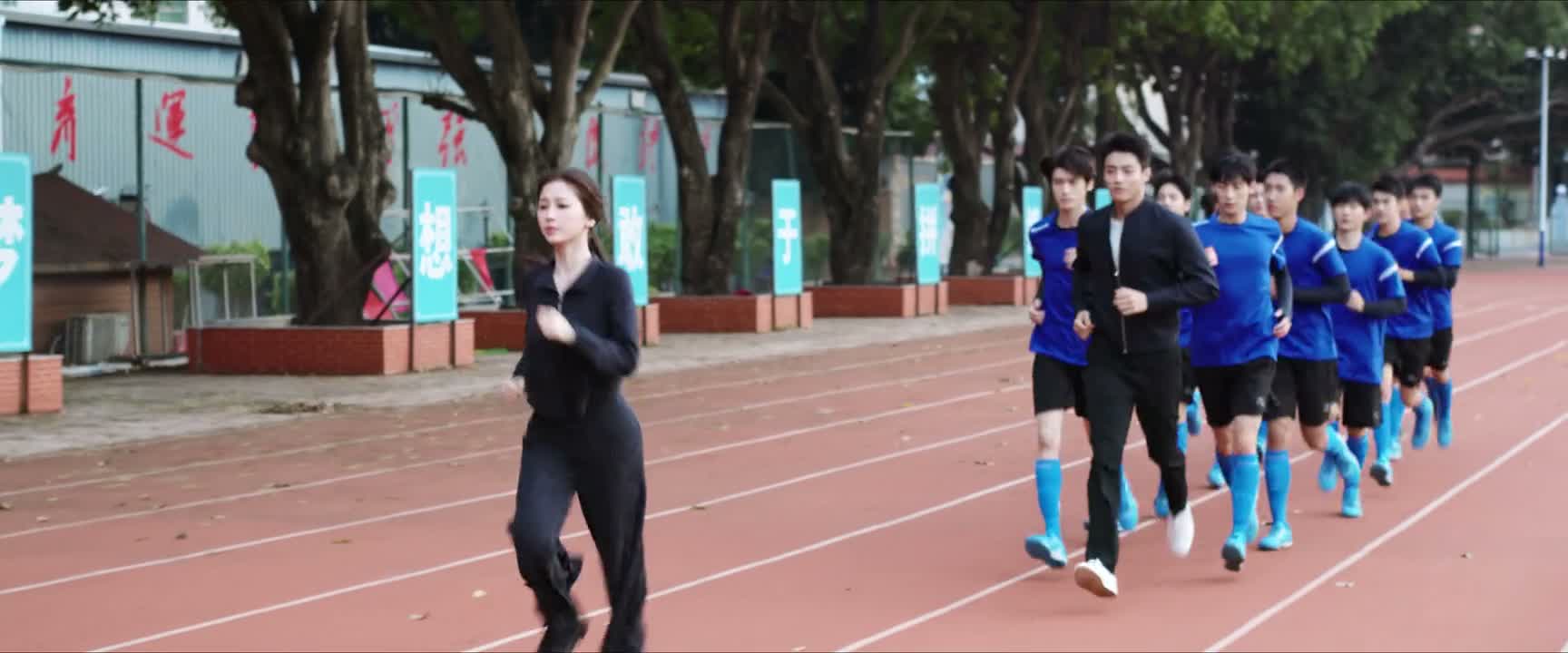
“How could you extricate yourself unscathed? How?”
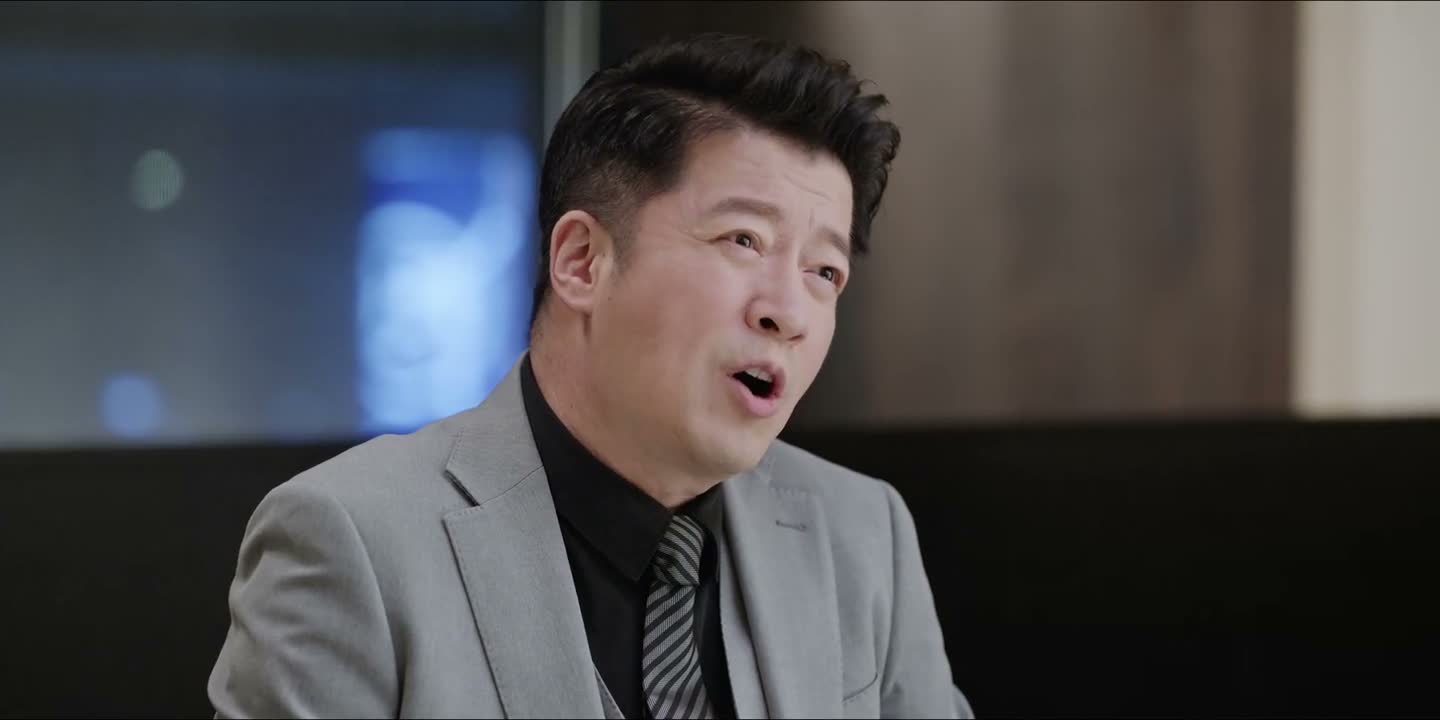
“I barely managed to keep you out of it.”

“he will definitely get away unscathed. After that, he will surely turn against your family.”

“walk away unscathed?”

“Back off! Or I'll take you all with me!”
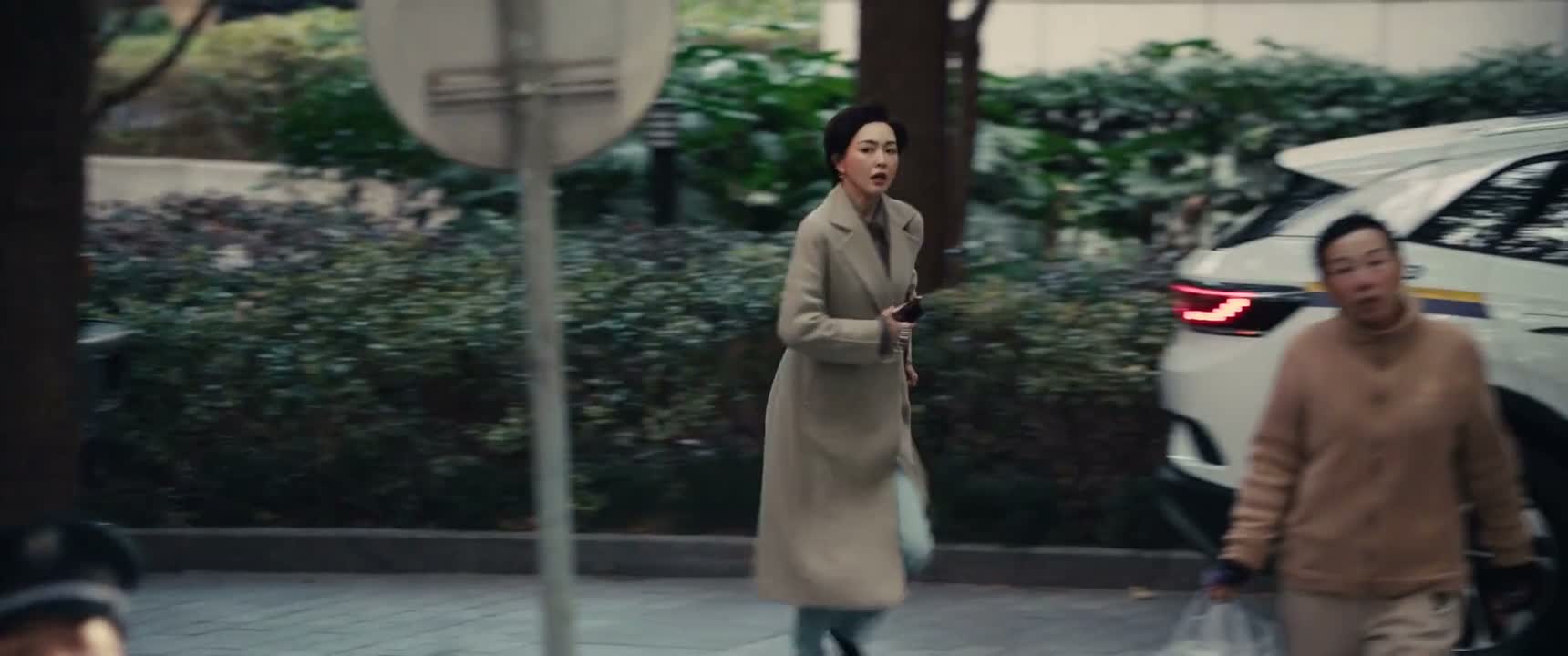
“Back up. Back up. This looks dangerous.”