MC
MandarinClips Cinema Corpus
《Echoes of a Thousand Moons》 S1·E2 (22:25) HSK 6
guǐ zi shāo shā qiǎng lüè

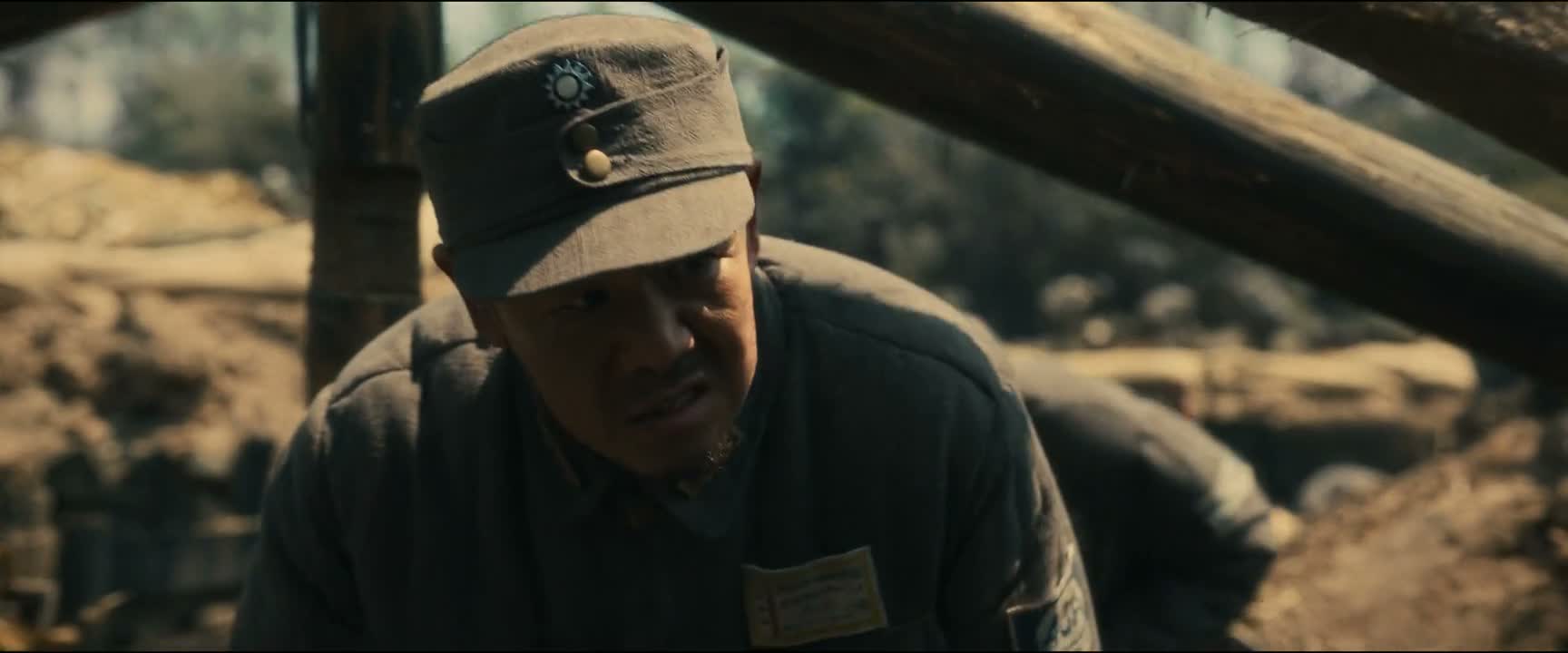
鬼子烧杀抢掠

“The Japs burn, kill, and loot.”

《Echoes of a Thousand Moons》 S1·E2
TIMECODE: 22:25 · 1080P MASTER AUDIO

THE DIALOGUE REEL

1+1+1 SPOKEN CONTINUITY
[-1] PREVIOUS TURN wǒ liú xià shā yí gè zhuàn yí gè

“I'll stay. Taking one down makes it worth it.”

guǐ zi shāo shā qiǎng lüè CURRENT FOCUS

鬼子 烧杀抢掠

“The Japs burn, kill, and loot.”

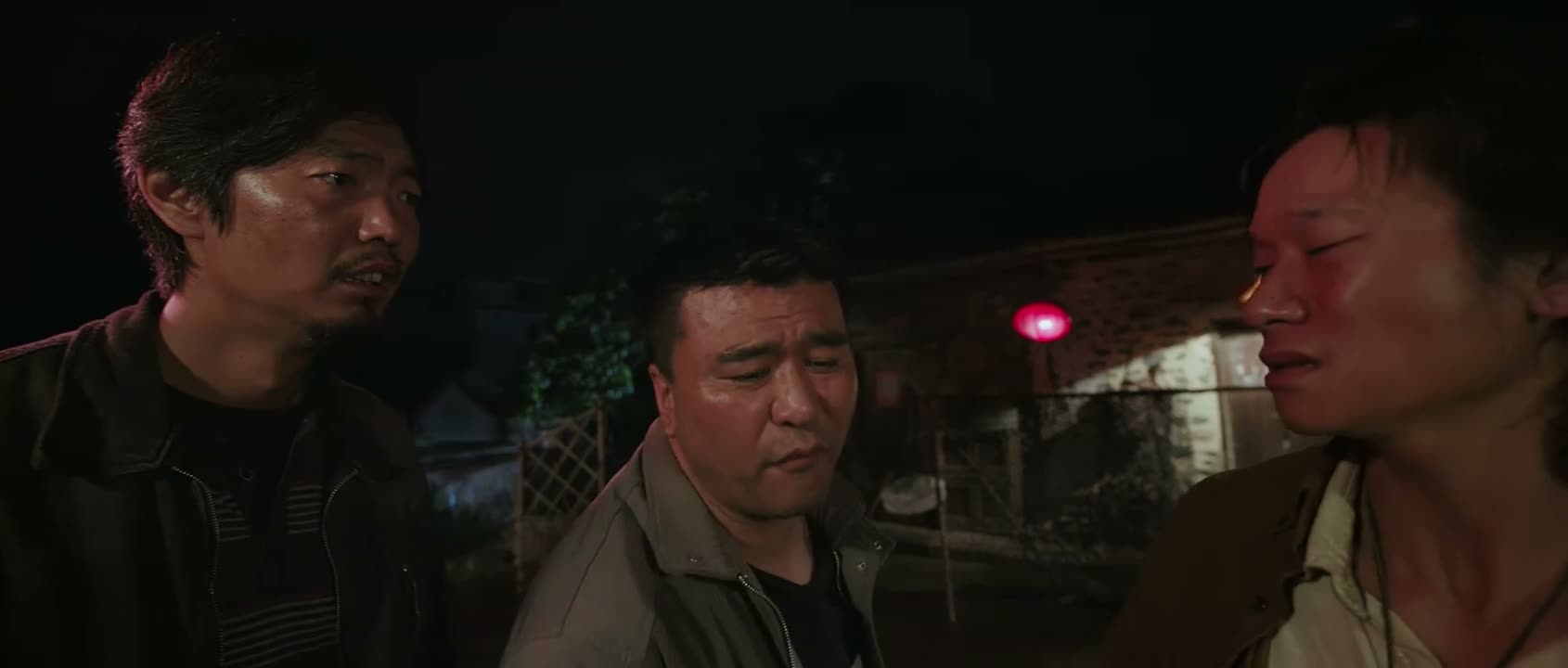
[+1] FOLLOW-UP TURN zāo tà wán wǒ men de rén

糟蹋完我们的人

“After raping our people,”

Subtitles synced to millisecond timecode Browse Show Clips →
Scene: Crisis & Conflict
Function: JUSTIFYING ACTION
Tone: INDIGNANT
Emotion: ANGER
WHAT THEY REALLY MEAN (PRAGMATIC SUBTEXT)
“They are monsters who destroyed our homes; dying while fighting back is the only moral choice.”
💡 Cultural Insight: Anti-Japanese War Discourse

In Chinese cinema and collective memory, the Second Sino-Japanese War represents a narrative of profound shared trauma and existential resistance, where confronting atrocities often justifies suicidal heroism.

INTENT TAGS: #condemnation #justification #emotional_appeal #resoluteness
🧩

LEARNING CHUNKS & PARTICLES

2 CHUNKS · 0 PARTICLES
鬼子 SPOKEN CHUNK

derogatory term for Japanese invaders during wartime

A highly loaded historical slur typically encountered in Chinese anti-war dramas and modern patriotic historical discourse.

烧杀抢掠 SPOKEN CHUNK

to burn, kill, loot, and pillage

A four-character idiom (chengyu) commonly used to depict indiscriminate barbarism and devastation by invaders or bandits.
🏮

VOCABULARY & EXPRESSIONS

1 EXPR · 0 GRAMMAR
CROSS-CINEMA CORPUS BOARD · PARALLEL SCENES

Parallel Spoken Cinema Scenes (语义近邻切片)

EXPLORE BY SEMANTIC SIMILARITY
《Echoes of a Thousand Moons》 S1·E2 (22:25) · Authentic Cinema Dialogue Corpus