MC
MandarinClips Cinema Corpus
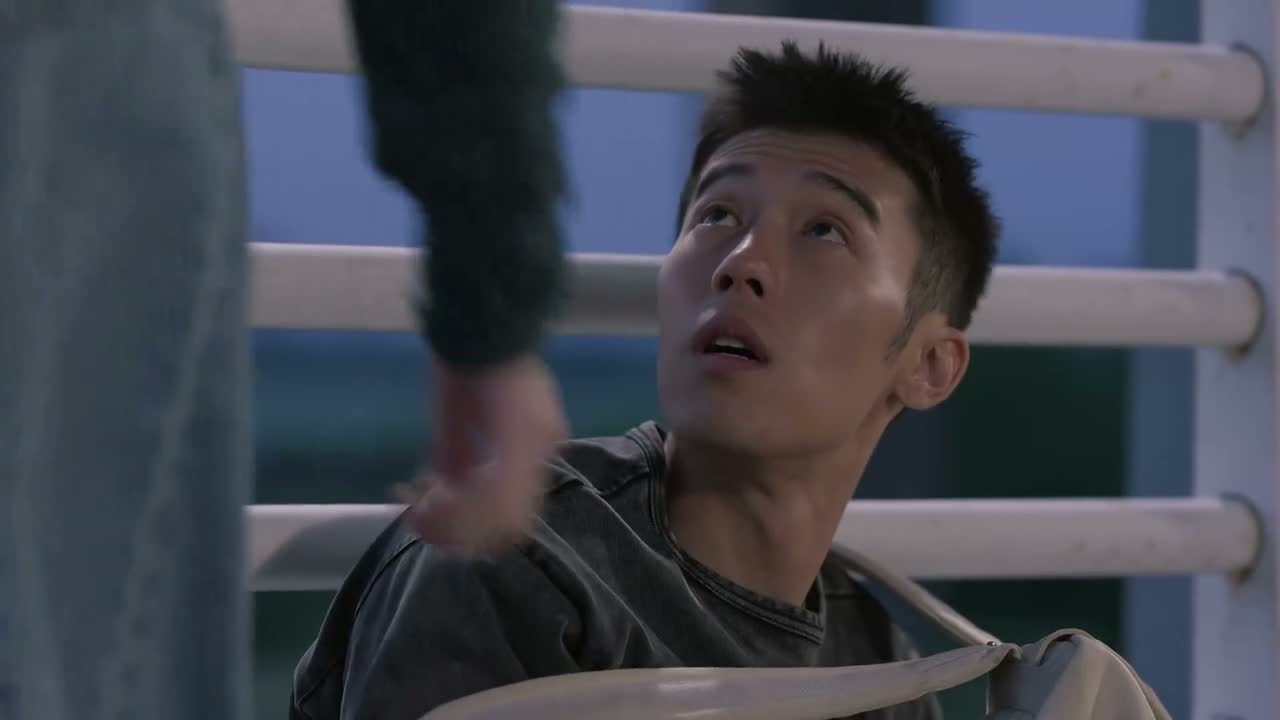
《The Epoch of Miyu》 S1·E38 (22:50) HSK 3
wǒ nà ge yī huì shàng kè yào chí dào le

我那个一会上课要迟到了

“♪ All those confusions ♪ I'm going to be late for my class.”

《The Epoch of Miyu》 S1·E38
TIMECODE: 22:50 · 1080P MASTER AUDIO

THE DIALOGUE REEL

1+1+1 SPOKEN CONTINUITY
[-1] PREVIOUS TURN jiā yóu

加油

“Good luck. ♪ All those confusions ♪”

wǒ nà ge yī huì shàng kè yào chí dào le CURRENT FOCUS

我 那个 一会 上课 要迟到了

“♪ All those confusions ♪ I'm going to be late for my class.”

[+1] FOLLOW-UP TURN nà ge zán men gǎi tiān zài liáo

那个咱们改天再聊

“♪ No answers, no reasons ♪ Let's chat another day.”

Subtitles synced to millisecond timecode Browse Show Clips →
Scene: School & Education
Function: CONVERSATION CLOSING EXCUSE
Tone: EVASIVE
Emotion: ANXIETY
WHAT THEY REALLY MEAN (PRAGMATIC SUBTEXT)
“I need to get out of this conversation right now.”
💡 Cultural Insight: Polite Disengagement (Face-Saving Exit)

In Chinese social interaction, citing an urgent schedule or prior commitment is a standard, polite strategy to end a conversation without making the other person feel dismissed.

INTENT TAGS: #exit_strategy #polite_refusal #hedging #urgency
🧩

LEARNING CHUNKS & PARTICLES

2 CHUNKS · 1 PARTICLES
一会 SPOKEN CHUNK

in a little while / shortly

Commonly used in spoken Chinese to refer to the immediate future.

要迟到了 SPOKEN CHUNK

about to be late

A very frequent spoken construction using '要...了' to indicate an imminent event or state.

Modal Particle「了」 (le) CHANGE OF STATE

Combined with '要' to signal an imminent change of state, conveying urgency.
🏮

VOCABULARY & EXPRESSIONS

3 EXPR · 3 GRAMMAR
CROSS-CINEMA CORPUS BOARD · PARALLEL SCENES

Parallel Spoken Cinema Scenes (语义近邻切片)

EXPLORE BY SEMANTIC SIMILARITY
《The Epoch of Miyu》 S1·E38 (22:50) · Authentic Cinema Dialogue Corpus