贺梅啊 这么多年 你都干什么去了呀
“He Mei, where have you been these years?”
THE DIALOGUE REEL
坐这儿
“Take a seat here.”
贺梅啊 这么多年 你都 干什么去了 呀
“He Mei, where have you been these years?”
“You disappeared for so long without a word; what on earth happened to you?”
In Chinese culture, asking someone what they have been doing over many missing years conveys emotional investment and a desire to bridge the relational gap created by time.
LEARNING CHUNKS & PARTICLES
all these years / so many years
A common time expression used when reflecting on long stretches of time or catching up after an extended separation.
what were you off doing? / where have you been?
A colloquial question used to ask what someone was engaged in during a period of absence.
Softens the direct address when calling out someone's name, establishing an intimate and conversational atmosphere.
Adds emotional warmth and curiosity to the question, making the inquiry feel caring rather than interrogative.
VOCABULARY & EXPRESSIONS
Parallel Spoken Cinema Scenes (语义近邻切片)

“We haven't seen each other in so many years.”

“It's been over a year since we last met. How have you been?”

“you haven't seen them for years, right?”

“Yeah, it's been a year, hasn't it?”
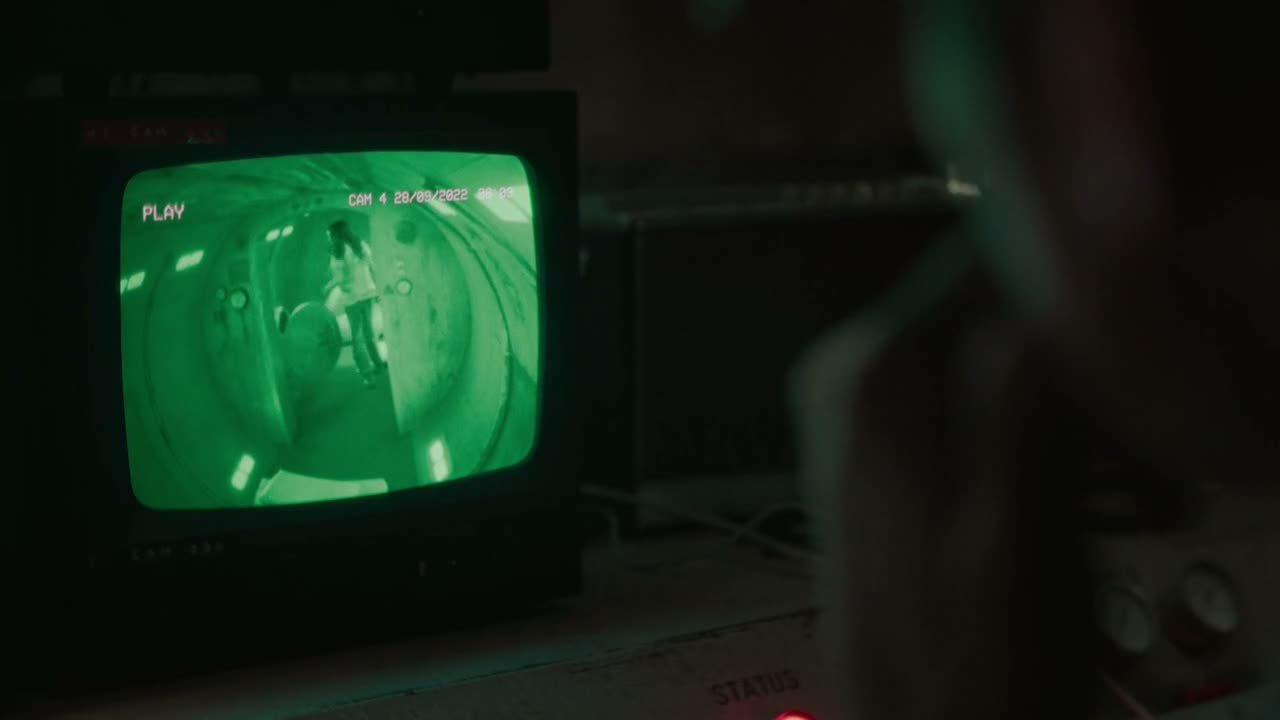
“[distorted voice] It's been a year. We think you've earned it.”

“I haven't seen it for quite a while.”