赶紧吧 走 走 快走 快走 快走
“Come on, let's go. Move, move!”
THE DIALOGUE REEL
“Okay, okay, I got it. Shout as loud as you can.”
赶紧吧 走 走 快走 快走 快走
“Come on, let's go. Move, move!”
小白鞋 小白鞋
“Shoes Bai! Shoes Bai!”
Direct spoken expression in this communicative setting.
Repeating monosyllabic or disyllabic verbs (e.g., 快走 快走) is a typical conversational device in Chinese to create momentum and convey critical urgency without being perceived as rude.
LEARNING CHUNKS & PARTICLES
hurry up; let's hurry
A practical colloquial directive used to prompt immediate action when time is running out.
move quickly; hurry up and go
Used as an imperative command to urge companions to walk faster or depart instantly.
Softens the urgent command into a pressing suggestion to get moving immediately.
VOCABULARY & EXPRESSIONS
Parallel Spoken Cinema Scenes (语义近邻切片)

“Hurry up. -Let's go. -Let's go.”

“Wenjing! Move it, you little rascals. Hurry up. You're gonna be late.”
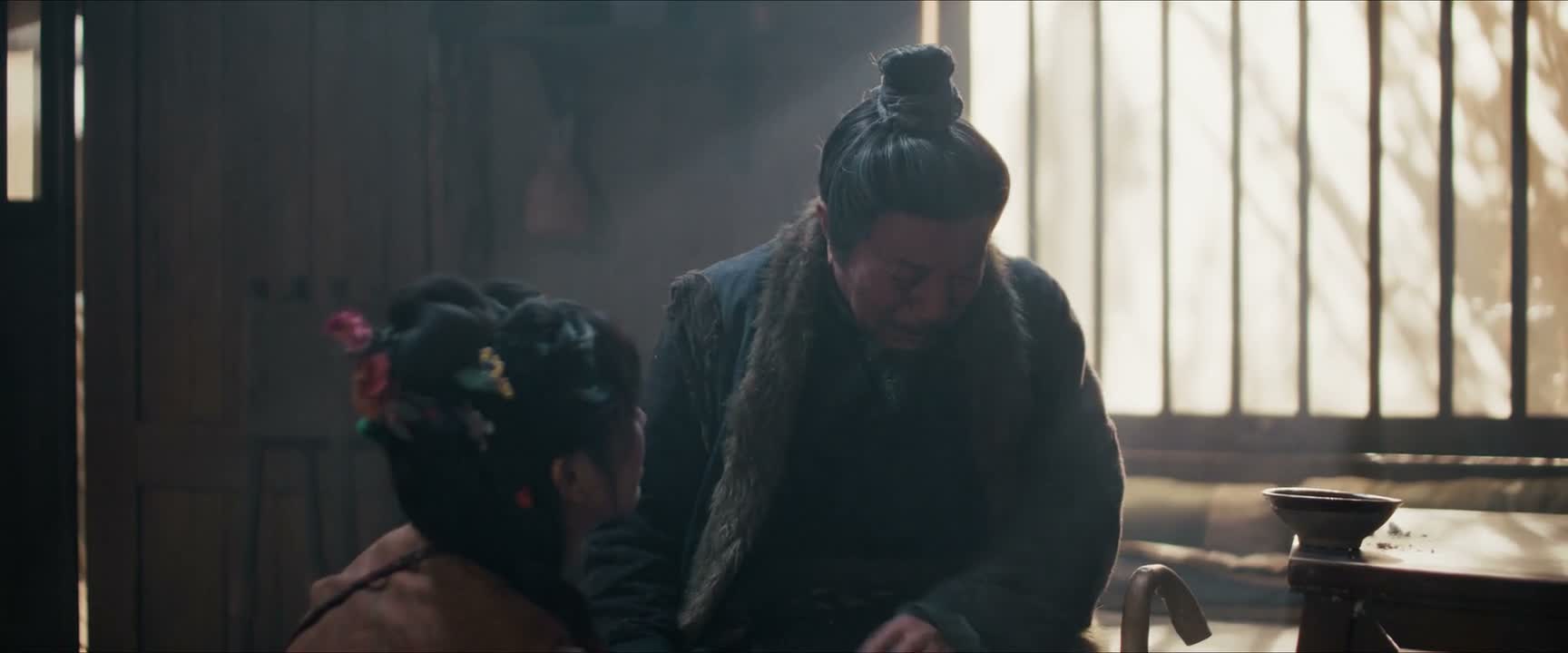
“Go. Go, quickly.”