拐个弯就上了大路了 你沿着江往上走
“turn the corner to the main road. Then follow the river upstream.”
THE DIALOGUE REEL
你呀 出了门
“Once you head out,”
拐个弯 就 上了 大路了 你 沿着 江往上 走
“turn the corner to the main road. Then follow the river upstream.”
Direct spoken expression in this communicative setting.
In traditional Chinese interpersonal culture, seeing someone off typically involves detailed route advice and reminders to stick to safe main roads.
LEARNING CHUNKS & PARTICLES
turn a corner
A very common colloquial expression used when giving simple spatial or navigational directions.
reach the main road / get onto the thoroughfare
Used to describe connecting onto a primary, wider road from a narrow alley or path.
along; following the edge of
A useful directional preposition used with landmarks like rivers, walls, or streets.
Signals the imminent completion and realization of reaching the main road once the turn is made.
VOCABULARY & EXPRESSIONS
Parallel Spoken Cinema Scenes (语义近邻切片)

“Why are there so many unexpected obstacles along the way? I know.”

“Then make a turn now! Or a U-turn!”

“Why did you have a detour to pick me up?”

“just need a few more turns.”

“Don't let her make so many detours,”
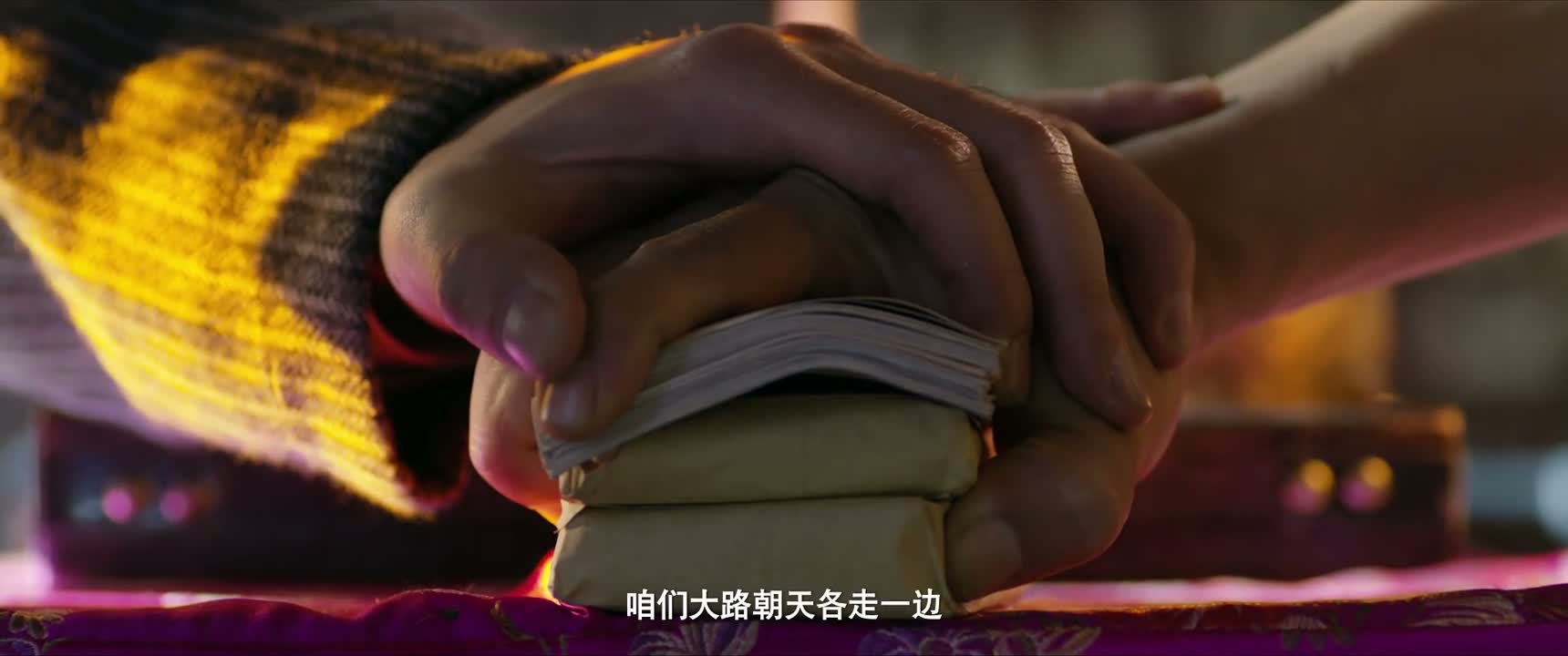
“we go our separate ways”