MC
MandarinClips Cinema Corpus
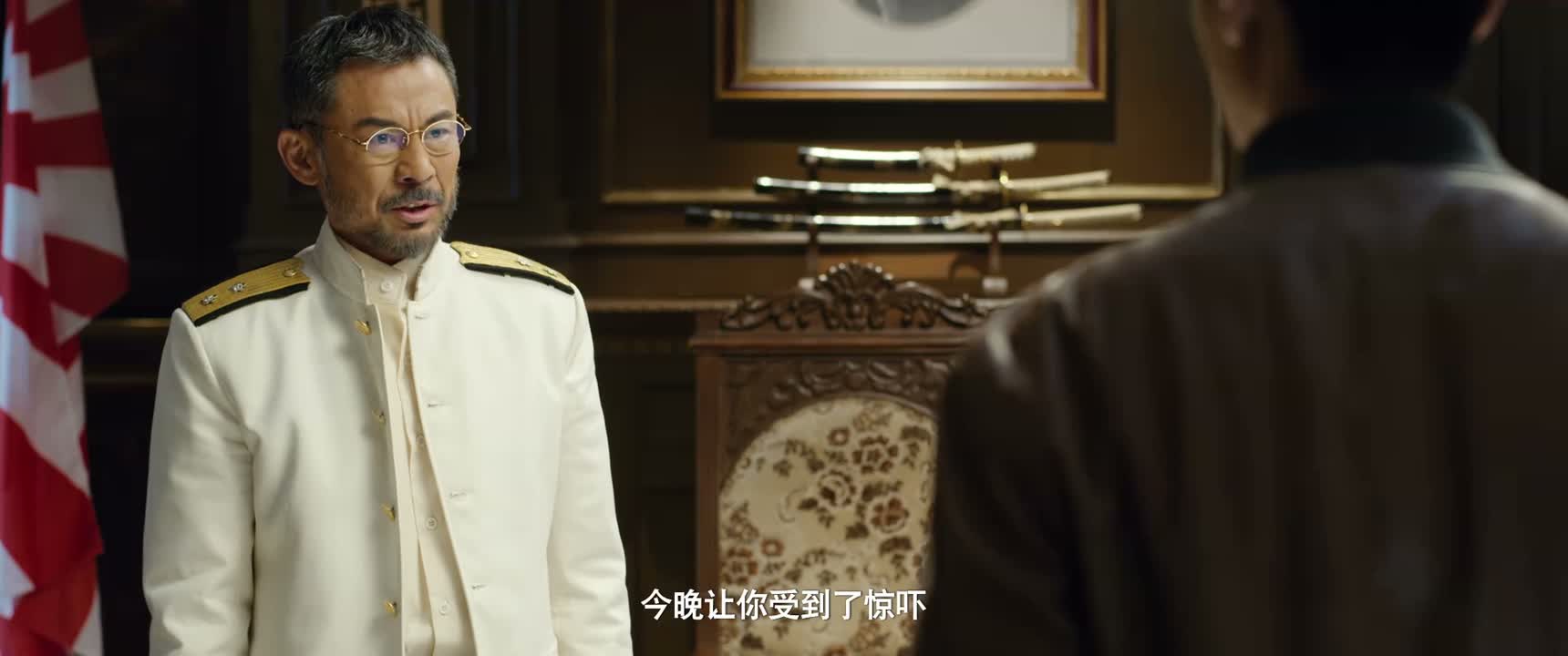
《Wishing Upon the Shooting Stars》 S1·E8 (17:04) HSK 1
nà tiān xià dào nǐ le

那天吓到你了

“I scared you that day.”

《Wishing Upon the Shooting Stars》 S1·E8
TIMECODE: 17:04 · 1080P MASTER AUDIO

THE DIALOGUE REEL

1+1+1 SPOKEN CONTINUITY
[-1] PREVIOUS TURN duì bù qǐ a

对不起啊

“I'm sorry.”

nà tiān xià dào nǐ le CURRENT FOCUS

那 天 吓到你了

“I scared you that day.”

[+1] FOLLOW-UP TURN nǐ jiù dàng zuò nà tiān

“Just take it...”

Subtitles synced to millisecond timecode Browse Show Clips →
Scene: Social & Dating
Function: APOLOGIZING AND RECONCILING
Tone: APOLOGETIC
Emotion: GUILT
WHAT THEY REALLY MEAN (PRAGMATIC SUBTEXT)
“I know I lost control or acted too intensely back then, and I feel guilty for frightening you.”
💡 Cultural Insight: Reconciliation through Vulnerability

Directly admitting to having startled or overwhelmed someone is an intimate conversational repair tactic in Chinese interpersonal dynamics, signaling genuine contrition and emotional closeness.

INTENT TAGS: #apology #reassurance #repairing_rapport #acknowledging_fault
🧩

LEARNING CHUNKS & PARTICLES

2 CHUNKS · 1 PARTICLES
吓到你了 SPOKEN CHUNK

startled you / scared you

A very common colloquial apology used when one's sudden emotional outburst, loud action, or forward behavior unnerves someone.

那天 SPOKEN CHUNK

that day / back then

Used as a conversational time anchor to refer back to a mutually understood past incident without recounting all the details.

Modal Particle「了」 (le) CHANGE OF STATE

Functions as a marker of completion/change of state, indicating the act of scaring the listener occurred as an accomplished fact.
🏮

VOCABULARY & EXPRESSIONS

1 EXPR · 3 GRAMMAR
CROSS-CINEMA CORPUS BOARD · PARALLEL SCENES

Parallel Spoken Cinema Scenes (语义近邻切片)

EXPLORE BY SEMANTIC SIMILARITY
《Wishing Upon the Shooting Stars》 S1·E8 (17:04) · Authentic Cinema Dialogue Corpus