这还杀俩人哪 多吓人
“Two? How horrifying.”
THE DIALOGUE REEL
可不是吗 我听说两人当场就没了
“Exactly. I heard two died on the spot.”
这还杀俩人哪 多吓人
“Two? How horrifying.”
这可小点声吧
“Keep it down.”
Direct spoken expression in this communicative setting.
In everyday Chinese chatter, people frequently use softened terms like '没了' (gone) to avoid the taboo of pronouncing death directly, while simultaneously engaging in community gossip.
LEARNING CHUNKS & PARTICLES
how terrifying; so scary
A common exclamatory structure using '多 + adjective' to emphasize an extreme degree in spoken Chinese.
died on the spot
A common euphemistic colloquialism where '没了' is used instead of directly stating someone died.
Softens the exclamatory tone while heightening the emotional shock of the statement.
VOCABULARY & EXPRESSIONS
Parallel Spoken Cinema Scenes (语义近邻切片)

“I've killed many people— my killing aura is strong.”
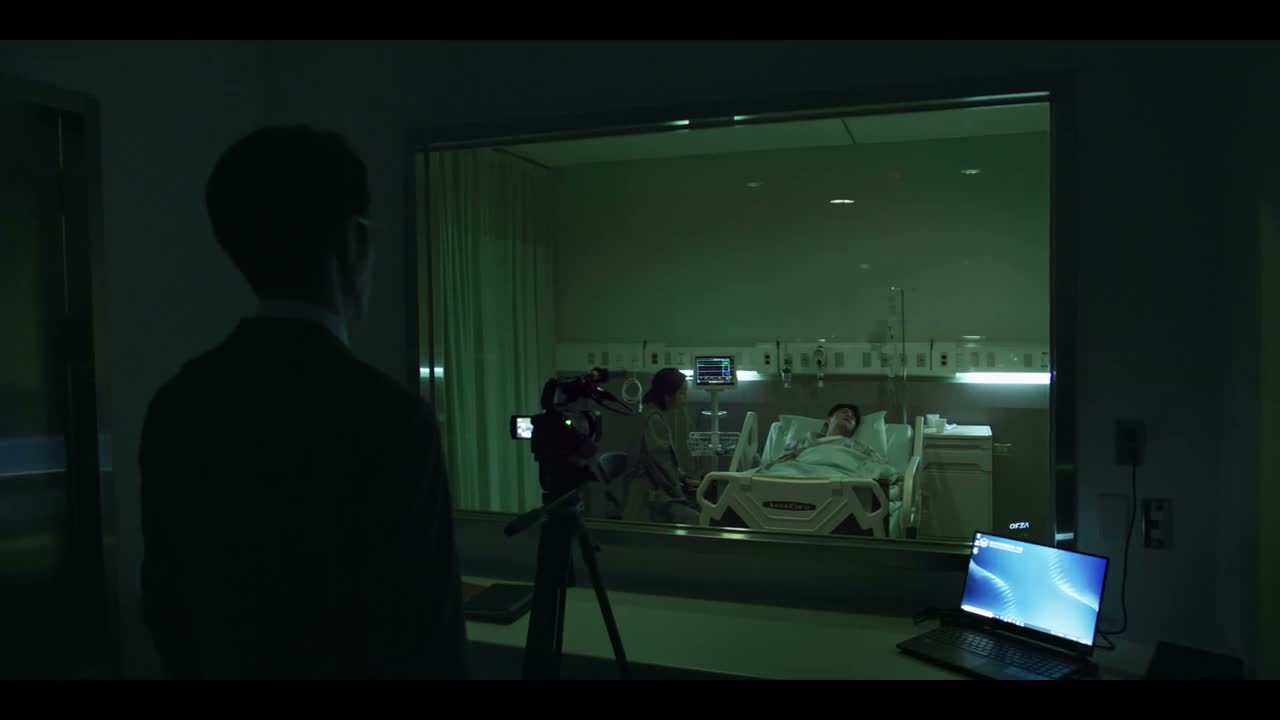
“Kuo Ta-fu, you've already caused two deaths.”

“Kuo Ta-fu, you've already caused two deaths.”

“Besides, I've already killed one person. I can't just kill more.”

“I've killed so many people.”

“But we really didn't kill him.”