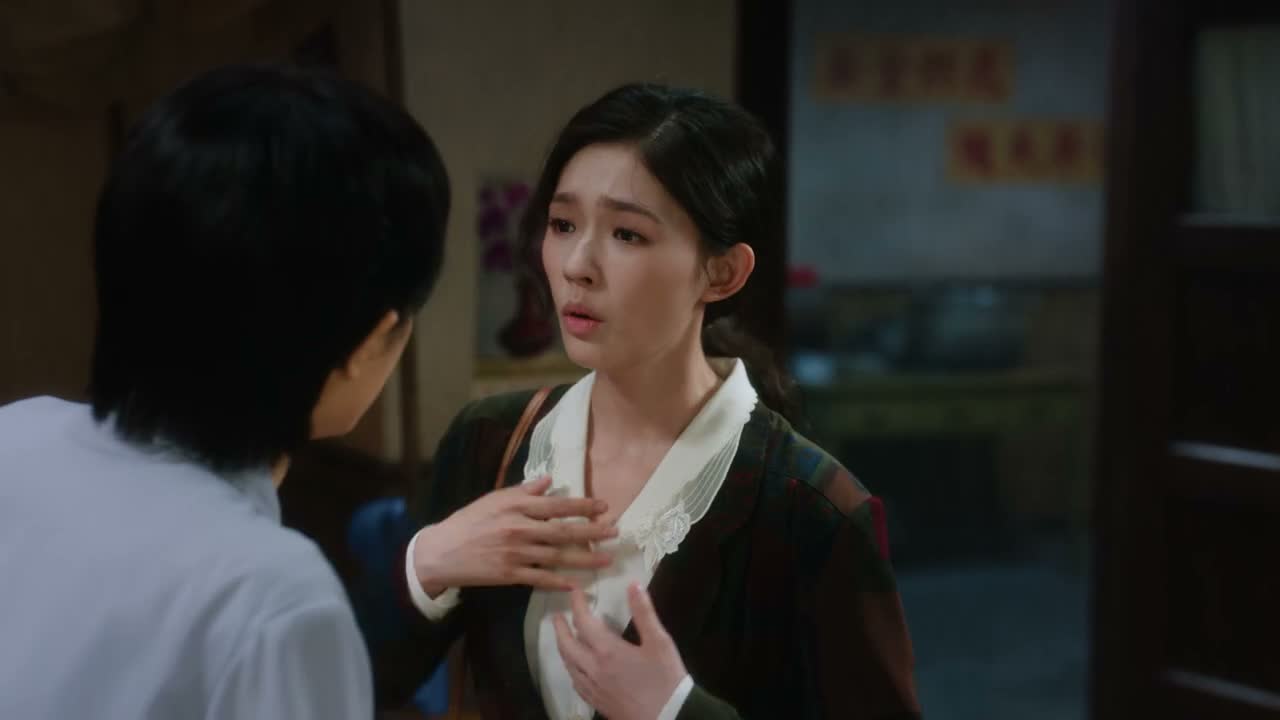
你没事总想着我干吗呀
“Why are you always worrying about me?”
THE DIALOGUE REEL
我自己状态能调整好
“I can adjust my condition myself.”
你 没事 总想着 我 干吗呀
“Why are you always worrying about me?”
你应该想着怎么工作
“You should be thinking about your work—”
“Stop obsessing over me and mind your own business.”
In Chinese workplace contexts, colleagues or superiors often blend personal care with professional supervision; pushback like this reflects an effort to separate personal autonomy from work responsibilities.
LEARNING CHUNKS & PARTICLES
when having nothing better to do; for no good reason
Often paired with negative habits or intrusive behaviors to express that an action is pointless or uncalled for.
always thinking about; obsessing over
Used to describe habitual or excessive focus on a particular person or issue.
why on earth; what for
A colloquial rhetorical question ending that carries a tone of complaint, protest, or mild exasperation.
Softens the blunt rhetorical question while conveying noticeable exasperation or impatience.
VOCABULARY & EXPRESSIONS
Parallel Spoken Cinema Scenes (语义近邻切片)

“Then, why did you call me?”

“I'm fine. Can you do me a favor?”

“Why do you keep looking at me like that?”
“I'm fine. I'm fine.”

“I'm really fine, don't be like this.”

“What are you doing? Shouldn't we at least ask them first?”