MC
MandarinClips Cinema Corpus
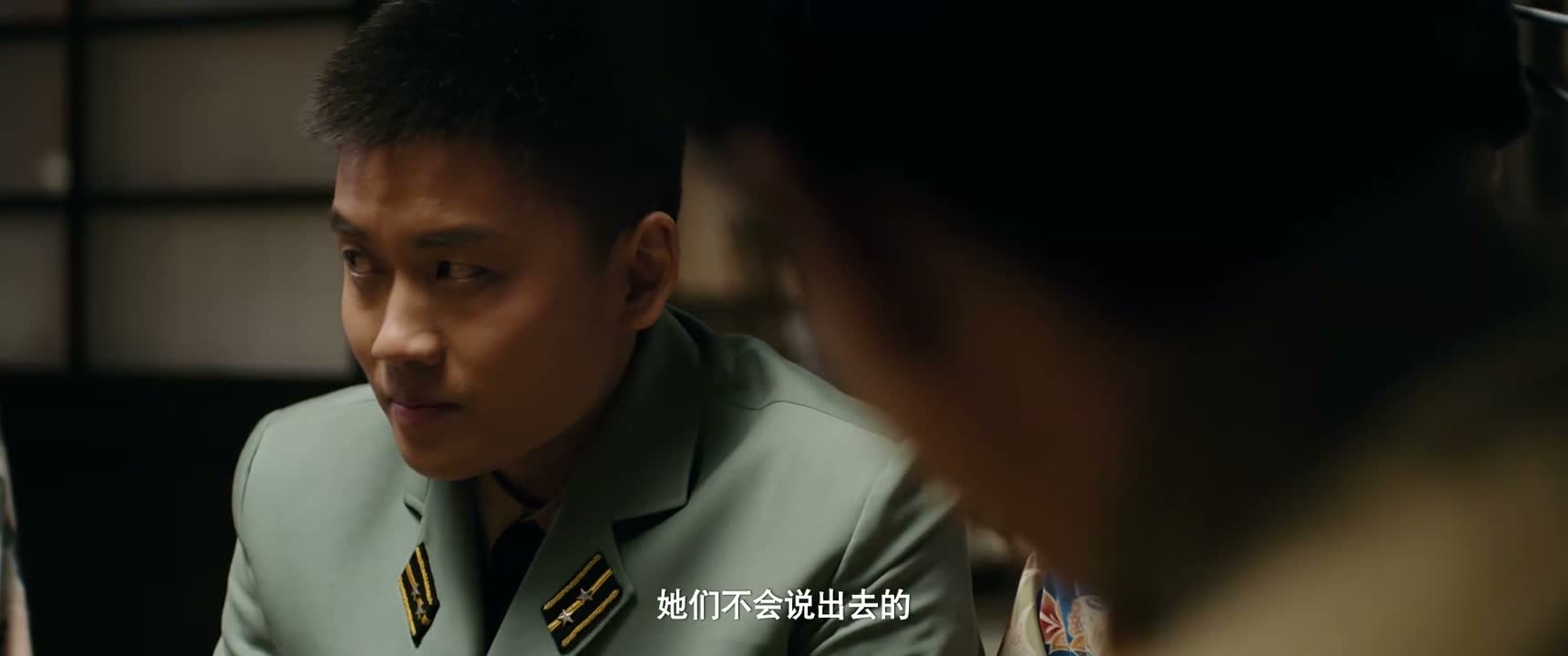
《Archives: The Nanyang Mystery》 S1·E23 (09:49) HSK 4
tā men cóng lái bù liú huó kǒu de

他们从来不留活口的

“They never leave anyone alive.”

《Archives: The Nanyang Mystery》 S1·E23
TIMECODE: 09:49 · 1080P MASTER AUDIO

THE DIALOGUE REEL

1+1+1 SPOKEN CONTINUITY
[-1] PREVIOUS TURN ér qiě tā men nà bāng rén fēi cháng kě pà zhuān mén jié wài lái de rén

而且他们那帮人非常可怕 专门劫外来的人

“And they are very scary. They specialize in robbing outsiders.”

tā men cóng lái bù liú huó kǒu de CURRENT FOCUS

他们从来 不留活口 的

“They never leave anyone alive.”

[+1] FOLLOW-UP TURN jì rán cóng lái bù liú huó kǒu nǐ shì zěn me zhī dào xiāo xī de

既然从来不留活口 你是怎么知道消息的

“Since they never leave anyone alive, how did you know it?”

Subtitles synced to millisecond timecode Browse Show Clips →
Scene: Crisis & Conflict
Function: WARNING
Tone: GRAVE
Emotion: FEAR
WHAT THEY REALLY MEAN (PRAGMATIC SUBTEXT)

Direct spoken expression in this communicative setting.

💡 Cultural Insight: Underworld Ruthlessness

In Chinese storytelling and crime genres, leaving no survivors signifies utter ruthlessness and warns outsiders against interference.

INTENT TAGS: #warning #intimidation #emphasizing_danger
🧩

LEARNING CHUNKS & PARTICLES

2 CHUNKS · 1 PARTICLES
从来不 SPOKEN CHUNK

never; have never

A frequent emphatic negative pattern used to state that an action or habit has never occurred.

留活口 SPOKEN CHUNK

leave survivors; keep witnesses alive

Commonly heard in crime thrillers, martial arts, or historical dramas referring to ruthless killings.

Modal Particle「的」 (de) CHANGE OF STATE

Used at the end of an assertive sentence to emphasize certainty and factual truth.

🏮

VOCABULARY & EXPRESSIONS

1 EXPR · 0 GRAMMAR
COLLOQUIAL EXPRESSIONS:
CROSS-CINEMA CORPUS BOARD · PARALLEL SCENES

Parallel Spoken Cinema Scenes (语义近邻切片)

EXPLORE BY SEMANTIC SIMILARITY
《Archives: The Nanyang Mystery》 S1·E23 (09:49) · Authentic Cinema Dialogue Corpus