把我的偏见是转变过来了呀
“change my mind.”
THE DIALOGUE REEL
但是这娃用自己的实际行动 硬生生地
“But this kid used her actions to completely”
把我的偏见是 转变过来 了呀
“change my mind.”
“Troupe Leader, do you agree or not?”
“If this person can convince a stubborn critic like me, you definitely should approve them.”
Admitting one's prior bias ('偏见') is a classic rhetorical device in Chinese communication to demonstrate objectivity and lend credibility to a recommendation.
LEARNING CHUNKS & PARTICLES
my prejudice / preconceived bias
Used in '把' constructions when showing how an opinion has been altered.
to change around; to reverse (a viewpoint)
Used with mental states or attitudes to show a complete shift from negative to positive.
Softens the assertive statement while adding warmth and emphasis to the realization.
VOCABULARY & EXPRESSIONS
Parallel Spoken Cinema Scenes (语义近邻切片)

“Do you want me to change my mind?”
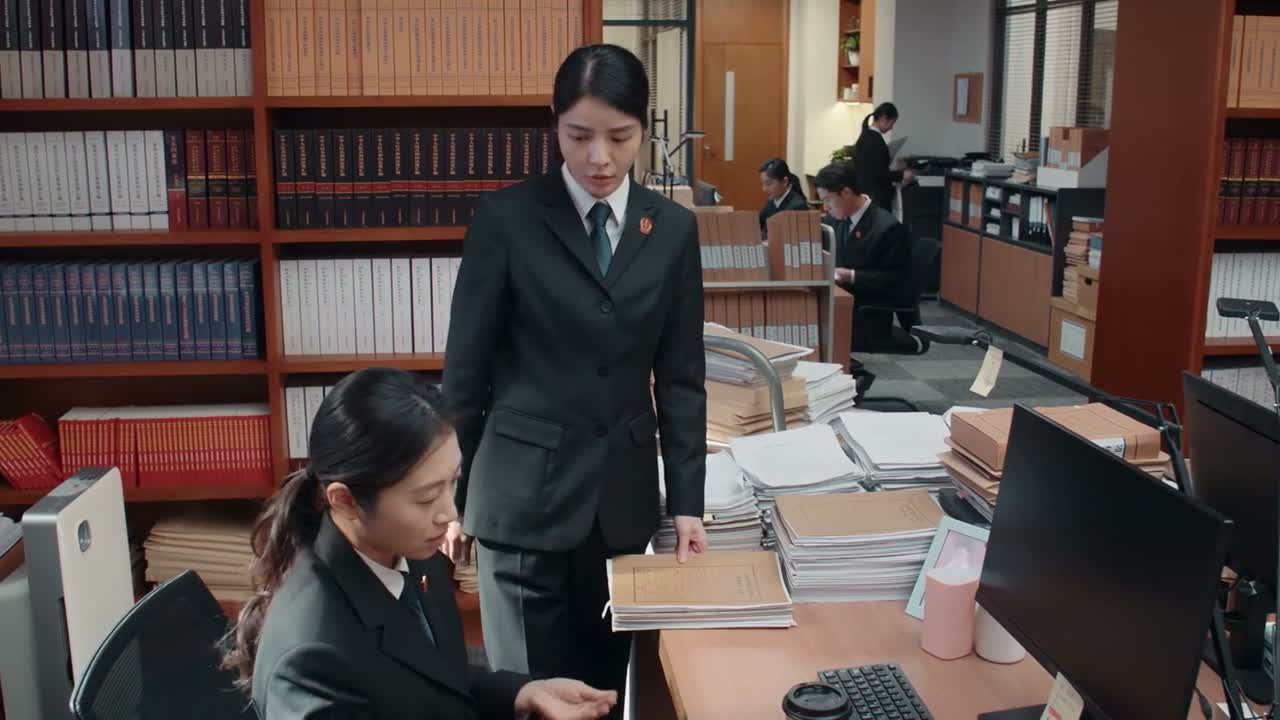
“I thought you'd changed your mind.”
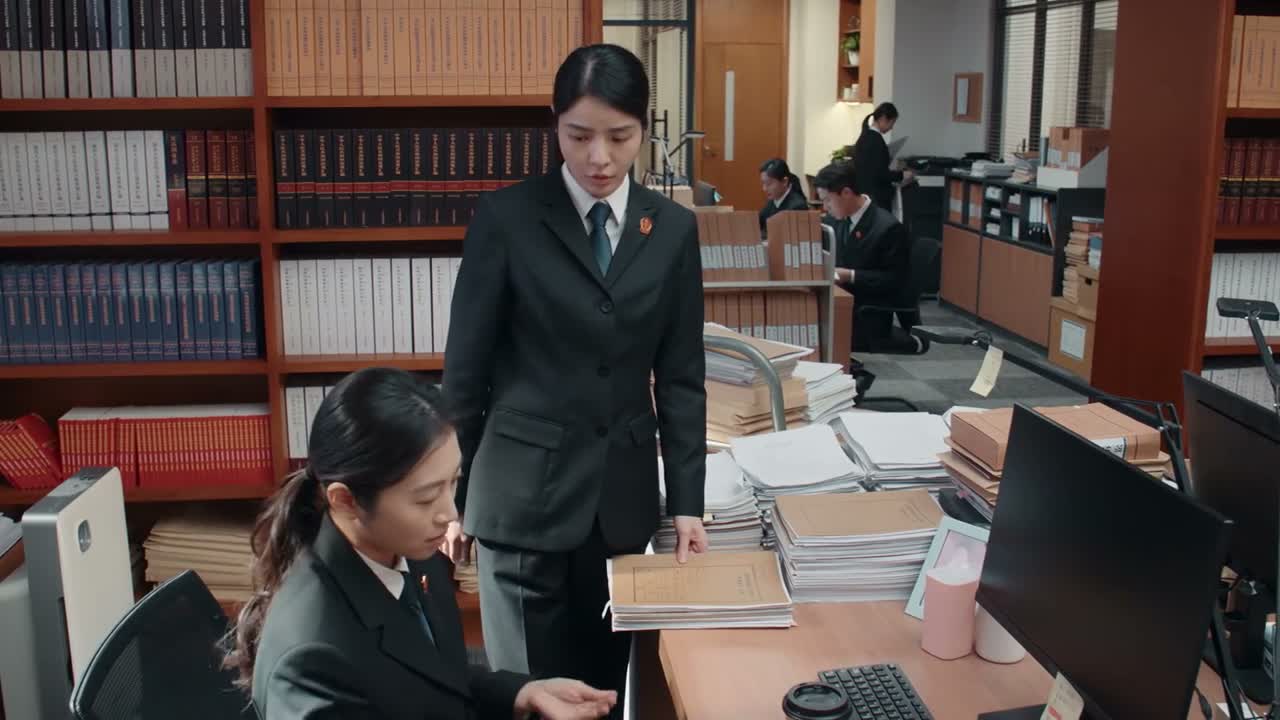
“I thought you'd changed your mind.”

“that you're always trying to change who I am.”
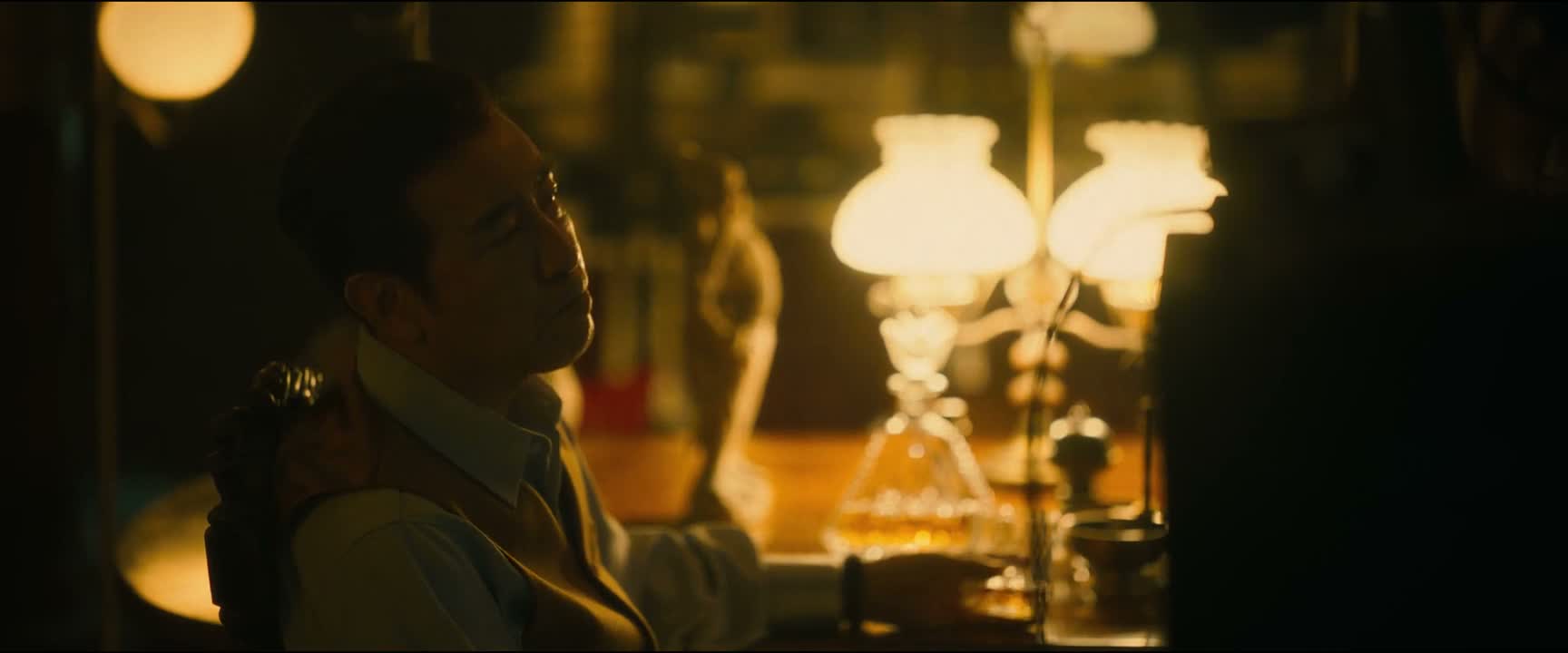
“Indeed, my thinking now has turned upside down.”

“completely changed me.”
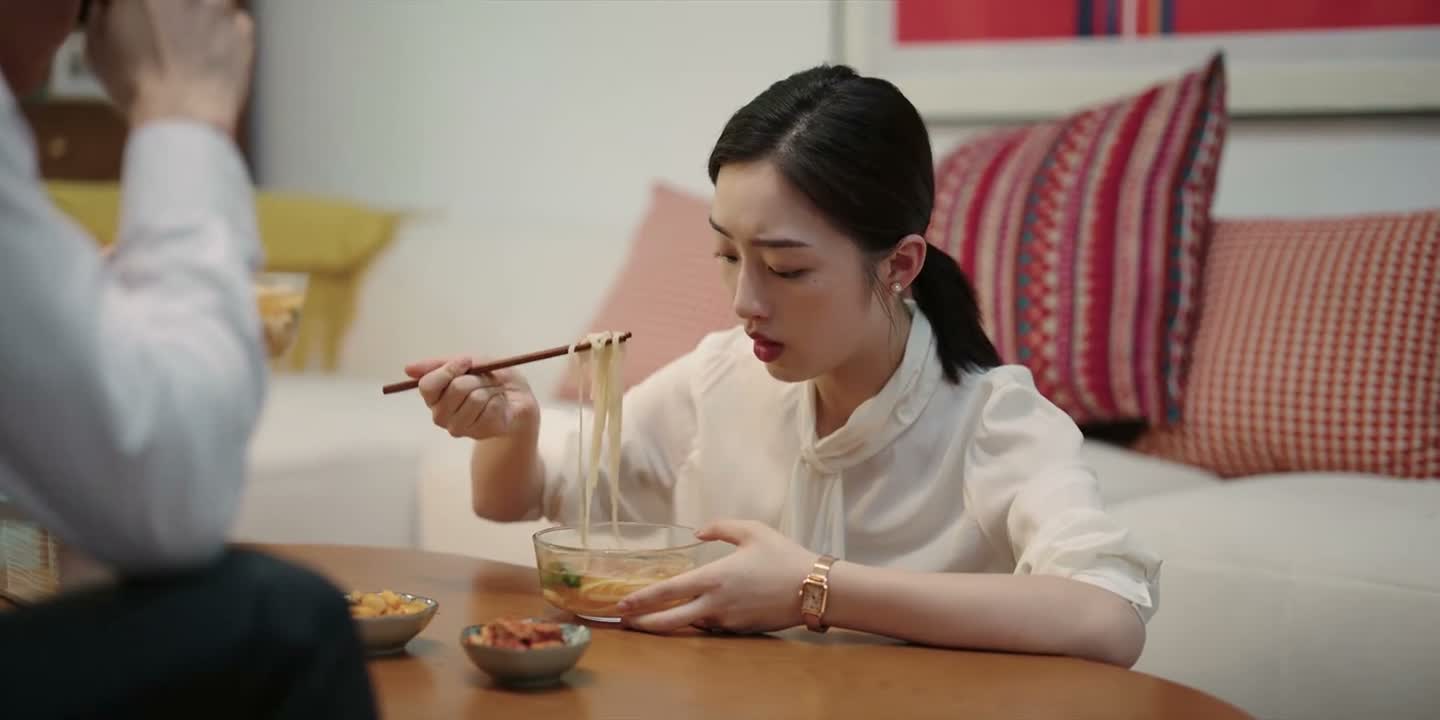
“The changes are truly earth-shattering compared to before.”

“See that? This is the first change I'm bringing to you—”

“[Love Manual] I believe you've all witnessed the magical transformation.”
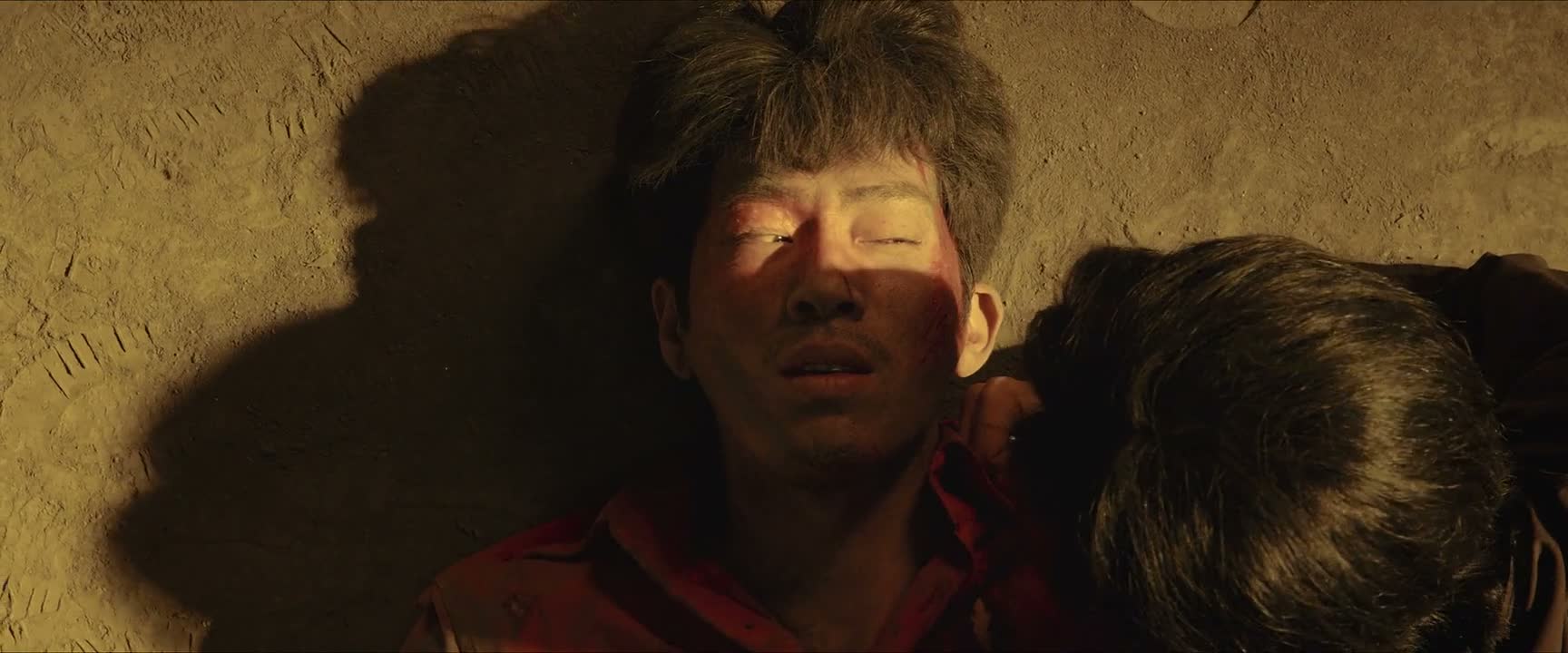
“I changed my mind.”
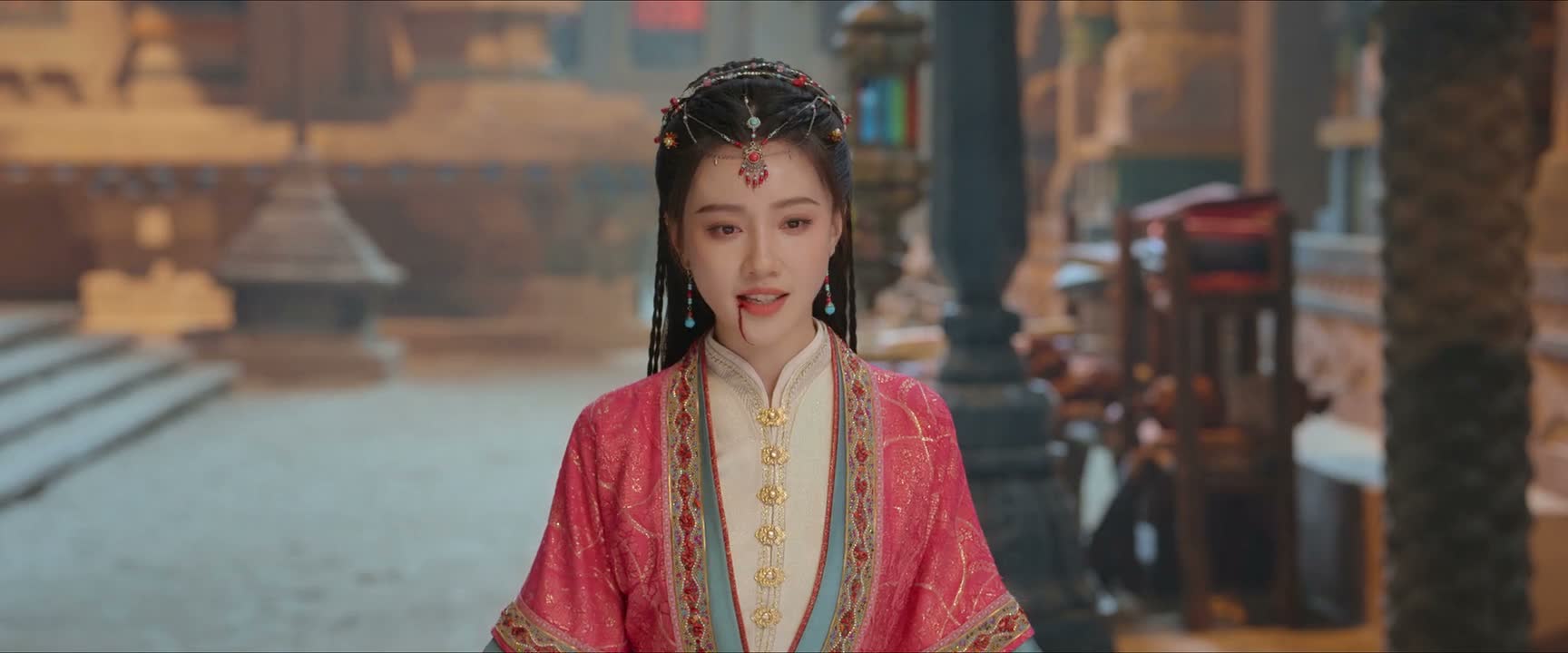
“But I don't think so anymore.”