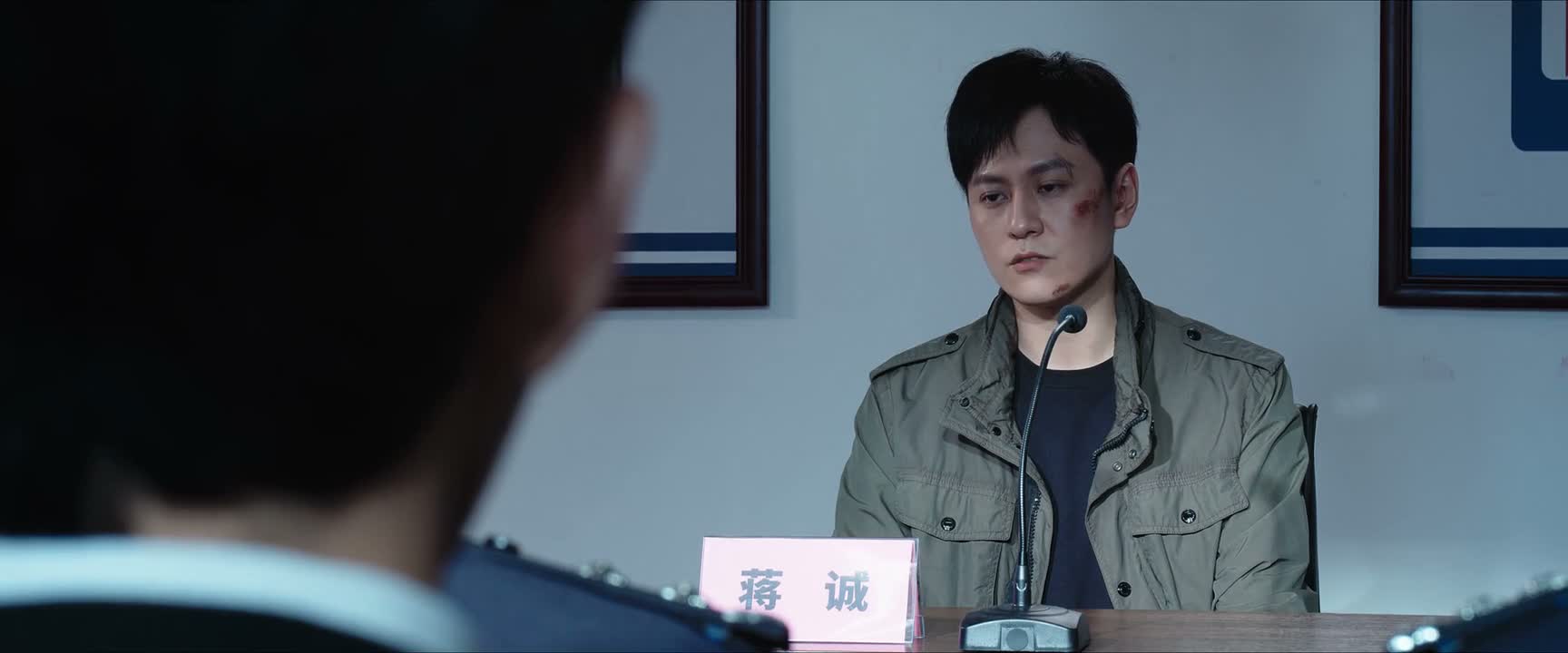
您总是想让我去改变我自己
“that you're always trying to change who I am.”
THE DIALOGUE REEL
“Don't accept what? I don't accept”
您总是想让 我去 改变我 自己
“that you're always trying to change who I am.”
“Even if I listened to you now and got a stable job,”
“Stop trying to mold me into someone I'm not; accept me for who I am.”
In Chinese culture, parents often feel a lifelong duty to direct their children's life decisions, which frequently leads younger generations to voice deep frustration when seeking self-actualization.
LEARNING CHUNKS & PARTICLES
always wanting (someone to do something)
Commonly used in spoken Chinese to complain about someone repeatedly imposing their will or expectations on another.
change myself
A straightforward expression for personal transformation or yielding one's identity to others' expectations.
VOCABULARY & EXPRESSIONS
Parallel Spoken Cinema Scenes (语义近邻切片)

“you did it to shift my attention away.”

“change my mind.”
“their attention on me again due to this fingerprint,”