MC
MandarinClips Cinema Corpus
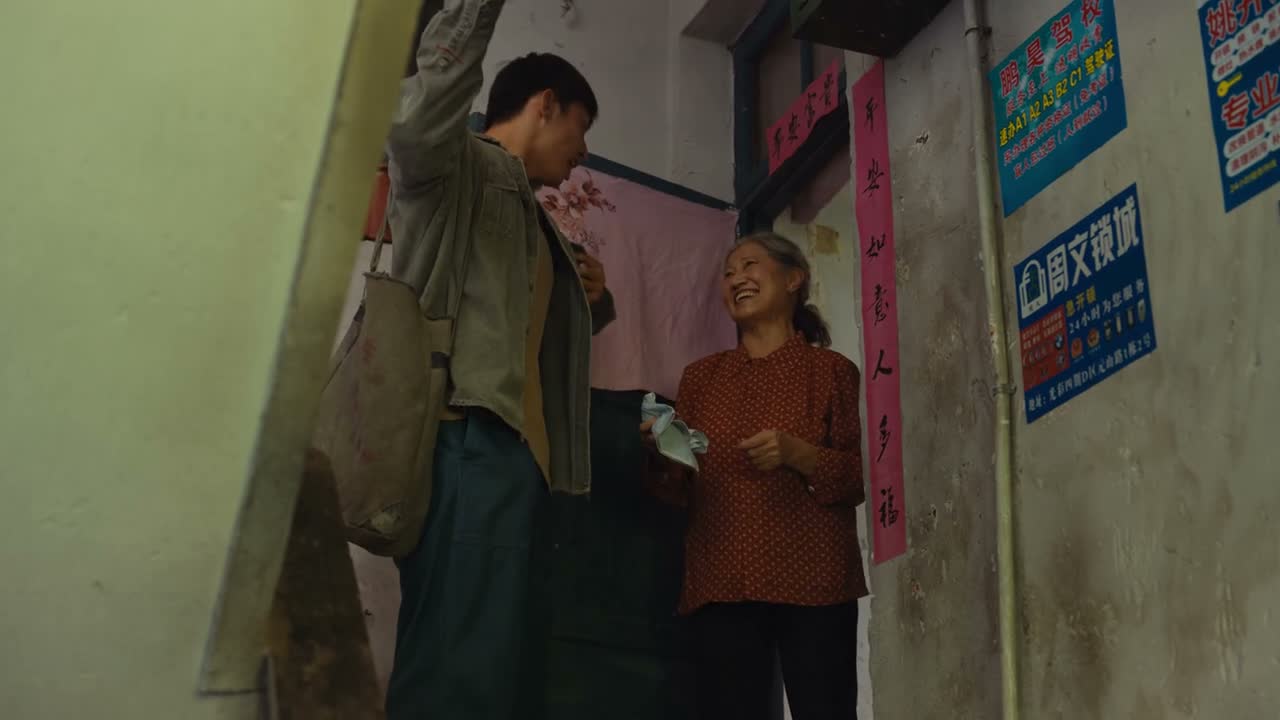
《The Lead》 S1·E31 (17:58) HSK 6
jiā lǐ hái yǒu rén ma nǐ chǎo nà me dà shēng gàn shá ma

家里还有人嘛 你吵那么大声干啥嘛

“There's a guest here. Why are you being so loud?”

《The Lead》 S1·E31
TIMECODE: 17:58 · 1080P MASTER AUDIO

THE DIALOGUE REEL

1+1+1 SPOKEN CONTINUITY
[-1] PREVIOUS TURN nǐ chǎo chǎo rāng rang shá wǒ chǎo le hǎn le zǎ le nǐ dòng tán le yī xià ma

你吵吵嚷嚷啥 我吵了喊了咋了 你动弹了一下吗

“Why all the shouting? So what if I'm yelling? Have you lifted a finger?”

jiā lǐ hái yǒu rén ma nǐ chǎo nà me dà shēng gàn shá ma CURRENT FOCUS

家里 还有 人嘛 你吵那么大声 干啥嘛

“There's a guest here. Why are you being so loud?”

[+1] FOLLOW-UP TURN zhè huì er zhī dào yǒu rén le

这会儿知道有人了

“You realize that now?”

Subtitles synced to millisecond timecode Browse Show Clips →
Scene: Family & Home
Function: REBUKING
Tone: REPROACHFUL
Emotion: ANNOYANCE
WHAT THEY REALLY MEAN (PRAGMATIC SUBTEXT)
“Keep your voice down, other people can hear you!”
💡 Cultural Insight: Family Harmony and Privacy

Chinese culture places high value on not airing domestic conflicts loudly, especially when elders or guests are within earshot.

INTENT TAGS: #reprimand #curbing_noise #face_saving #complaint
🧩

LEARNING CHUNKS & PARTICLES

2 CHUNKS · 1 PARTICLES
干啥 SPOKEN CHUNK

why; what for

A highly colloquial Northern/dialectal equivalent of '做什么' or '为什么', often carrying an irritated tone.

那么大声 SPOKEN CHUNK

so loudly

Commonly used to criticize someone's volume when they are shouting or speaking inappropriately loud.

Modal Particle「嘛」 (ma) CHANGE OF STATE

Appeals to common sense in the first clause and softens or adds complaining rhetorical force in the second.
🏮

VOCABULARY & EXPRESSIONS

2 EXPR · 0 GRAMMAR
CROSS-CINEMA CORPUS BOARD · PARALLEL SCENES

Parallel Spoken Cinema Scenes (语义近邻切片)

EXPLORE BY SEMANTIC SIMILARITY
《The Lead》 S1·E31 (17:58) · Authentic Cinema Dialogue Corpus