《The Lead》 S1·E31 (02:09)
HSK 7
jiù kāi zhè me duǒ xiān yàn de nǐ gěi wǒ qiā le gàn shén me
就开这么朵鲜艳的 你给我掐了干什么
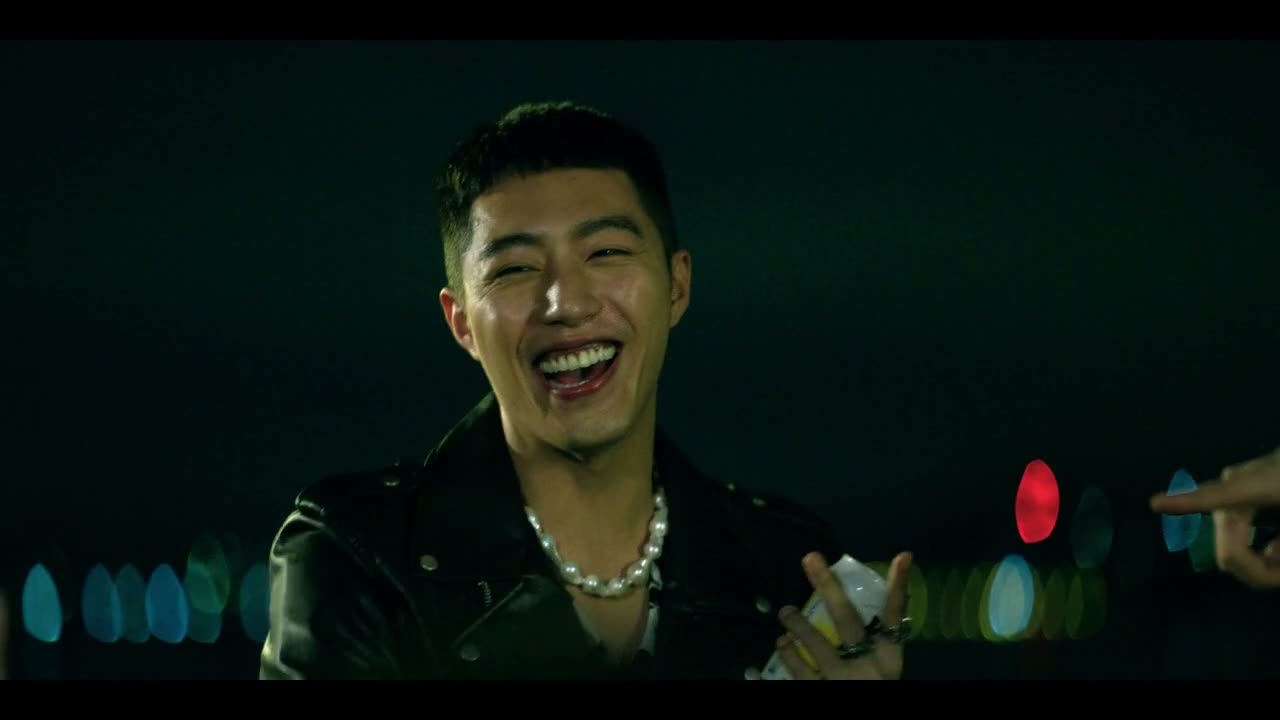
“I only got this bright one. Why did you snap it off?”
《The Lead》
S1·E31
TIMECODE: 02:09
·
1080P MASTER AUDIO
THE DIALOGUE REEL
[-1] PREVIOUS TURN
wǒ xīn xīn kǔ kǔ yǎng pén huā yǎng dà bàn nián hǎo bù róng yì kāi huā le
“I spent half a year growing this plant. It finally bloomed.”
jiù kāi zhè me duǒ xiān yàn de nǐ gěi wǒ qiā le gàn shén me
CURRENT FOCUS
就开这么朵鲜艳 的 你给我掐了干什么
“I only got this bright one. Why did you snap it off?”
[+1] FOLLOW-UP TURN
wǒ jiù jué de zhè huā tǐng hǎo de
我就觉得这花挺好的
“I just thought it looked nice.”
Subtitles synced to millisecond timecode
Browse Show Clips →
Scene:
Family & Home
Function:
BLAMING
Tone:
REPROACHFUL
Emotion:
ANNOYANCE
WHAT THEY REALLY MEAN (PRAGMATIC SUBTEXT)
“I put so much effort into this, how could you be so careless and ruin it?”
💡 Cultural Insight: Adversative Gei (Disposal Dative)
Using '给我' before an unwanted action emphasizes the speaker's emotional investment and conveys that the other person's act was an offense directly against them.
INTENT TAGS:
#reproach
#venting
#complaint
#blaming
🧩
2 CHUNKS · 0 PARTICLES
LEARNING CHUNKS & PARTICLES
给我
SPOKEN CHUNK
for me / on my watch (adversative marker)
Used before a verb in spoken Chinese to signal irritation that an action adversely affects the speaker.
干什么
SPOKEN CHUNK
why / for what reason
Frequently used at the end of rhetorical questions to express annoyance or reprimand rather than asking for genuine reasons.
🏮
1 EXPR · 1 GRAMMAR
VOCABULARY & EXPRESSIONS
COLLOQUIAL EXPRESSIONS:
GRAMMAR BLUEPRINTS:
CROSS-CINEMA CORPUS BOARD · PARALLEL SCENES
EXPLORE BY SEMANTIC SIMILARITY
Parallel Spoken Cinema Scenes (语义近邻切片)
《The Lead》 S1·E31 (02:09) · Authentic Cinema Dialogue Corpus