知道知道 看你高兴的 来
“I know. Look how happy you are. Come.”
THE DIALOGUE REEL
知道 知道 看你高兴的 来
“I know. Look how happy you are. Come.”
阿姐
“Sister,”
Direct spoken expression in this communicative setting.
In Chinese family dynamics, elder siblings often adopt a pseudo-parental, indulgent tone to validate younger siblings' milestones and emotions.
LEARNING CHUNKS & PARTICLES
Look how happy you are
A common spoken phrase used to affectionately comment on someone visibly expressing excitement or delight.
Functions as an exclamatory phrase-final marker that emphasizes the extreme extent of the emotional state.
VOCABULARY & EXPRESSIONS
Parallel Spoken Cinema Scenes (语义近邻切片)

“Look how happy you are.”

“You have to be happy and joyful. Enjoy life.”

“Look how happy you are.”
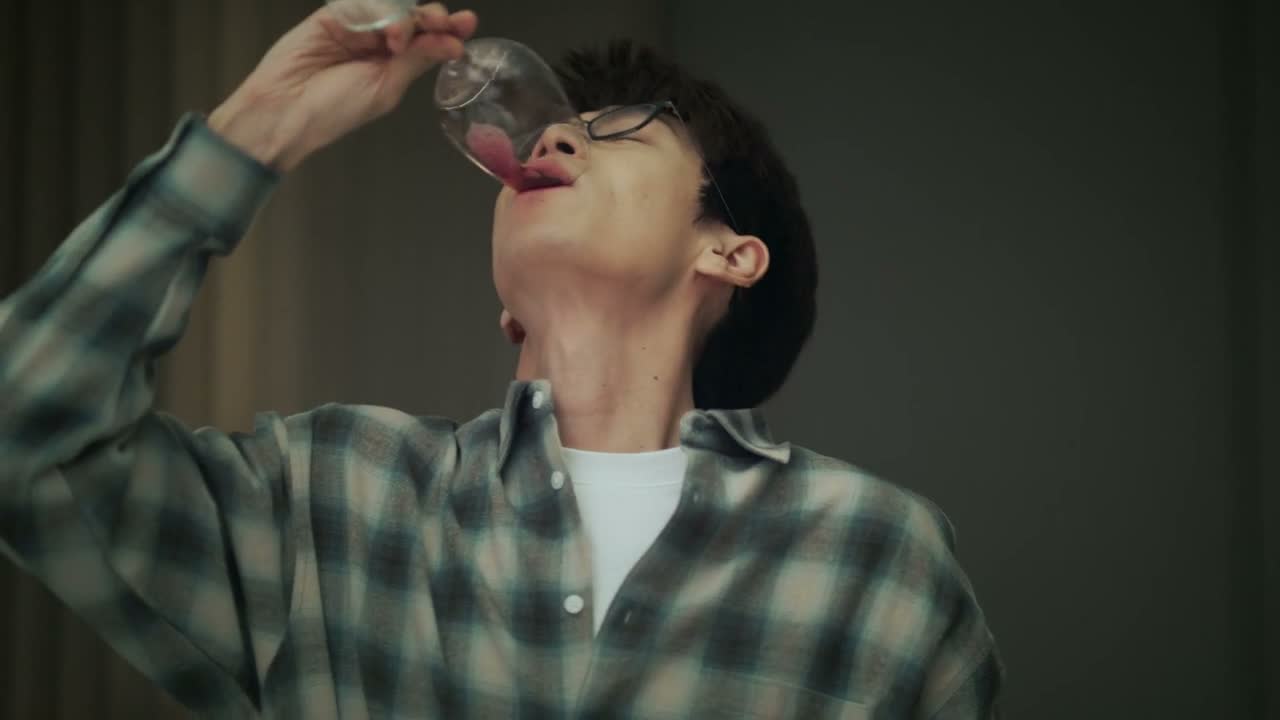
“were you genuinely happy,”