MC
MandarinClips Cinema Corpus
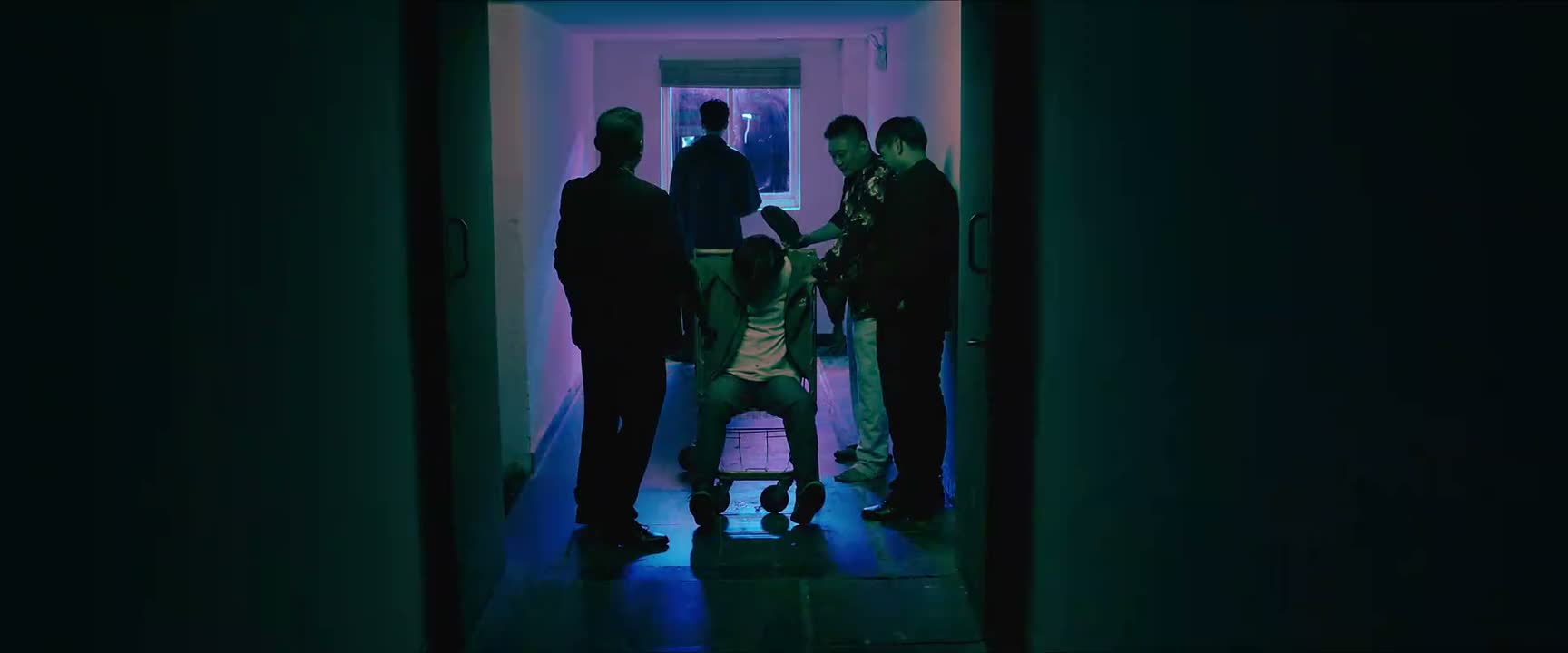
《Pursuit of Jade》 S1·E20 (36:00) HSK 1
wǒ xià cì zài yě bù gǎn le

我下次再也不敢了

“I won't dare do it again!”

《Pursuit of Jade》 S1·E20
TIMECODE: 36:00 · 1080P MASTER AUDIO

THE DIALOGUE REEL

1+1+1 SPOKEN CONTINUITY
[-1] PREVIOUS TURN dà gōng zi ráo mìng

大公子饶命

“Spare me, Eldest Young Master!”

wǒ xià cì zài yě bù gǎn le CURRENT FOCUS

我 下次再 也不 敢了

“I won't dare do it again!”

[+1] FOLLOW-UP TURN bǎo ér

宝儿

“Bao'er!”

Subtitles synced to millisecond timecode Browse Show Clips →
Scene: Crisis & Conflict
Function: PLEADING FOR MERCY
Tone: PLEADING
Emotion: FEAR
WHAT THEY REALLY MEAN (PRAGMATIC SUBTEXT)

Direct spoken expression in this communicative setting.

💡 Cultural Insight: Admitting Fault to Authority

Using self-effacing admissions such as 'daring not' shows immediate deference to hierarchy to defuse anger and avoid punishment.

INTENT TAGS: #apologizing #pleading #promising #submission
🧩

LEARNING CHUNKS & PARTICLES

2 CHUNKS · 1 PARTICLES
下次再也不 SPOKEN CHUNK

never again next time

Standard formula for making a firm promise or apology to never repeat a wrongdoing.

不敢了 SPOKEN CHUNK

dare not anymore; won't dare to again

A common way in spoken Chinese to express submissive apology or acknowledge an overstep of boundaries.

Modal Particle「了」 (le) CHANGE OF STATE

Signifies a change of state, indicating that from this point forward the speaker will cease the forbidden action.
🏮

VOCABULARY & EXPRESSIONS

2 EXPR · 0 GRAMMAR
CROSS-CINEMA CORPUS BOARD · PARALLEL SCENES

Parallel Spoken Cinema Scenes (语义近邻切片)

EXPLORE BY SEMANTIC SIMILARITY
《Pursuit of Jade》 S1·E20 (36:00) · Authentic Cinema Dialogue Corpus