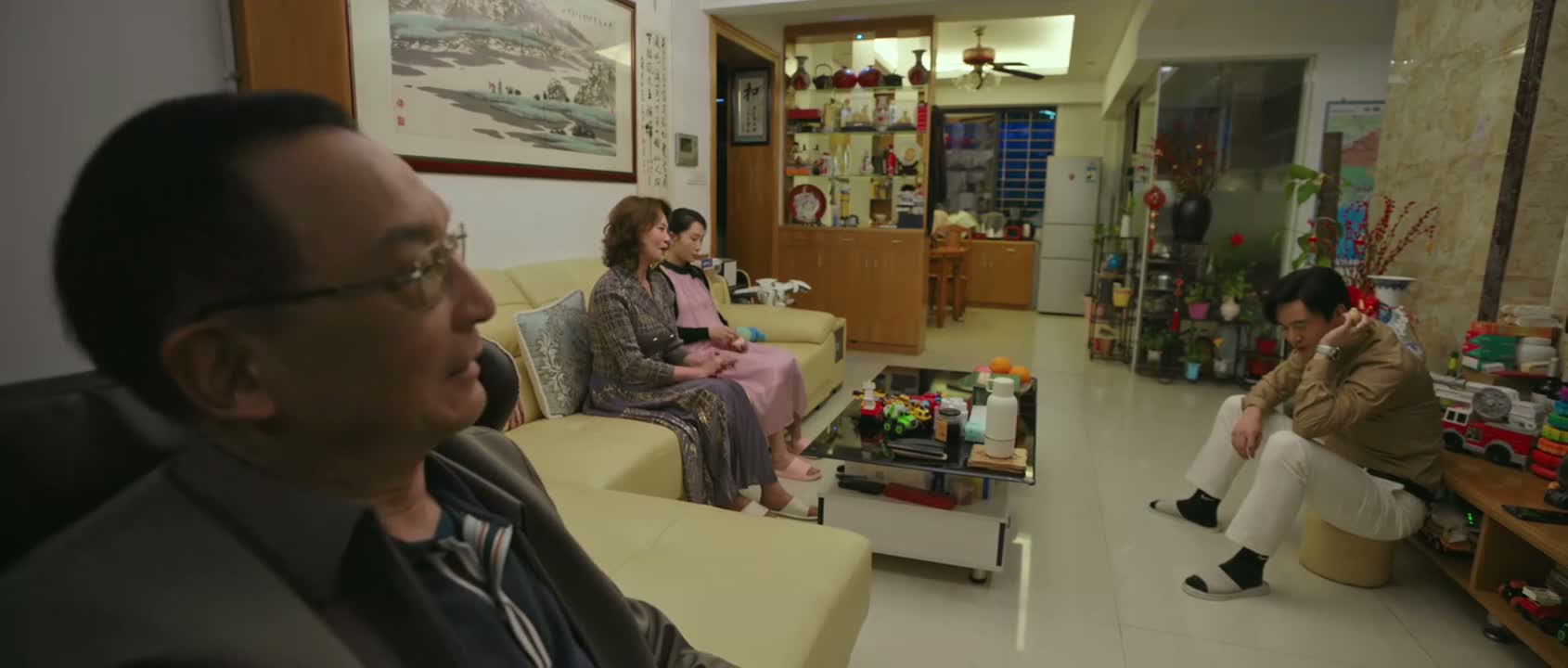
来得太仓促了 你怎么知道的
“I came in a hurry. How did you know?”
THE DIALOGUE REEL
怎么都不告诉我一声
“you're in Jingzhou?”
来得 太仓促 了 你怎么知道的
“I came in a hurry. How did you know?”
“I'm right at the entrance of the police station.”
Direct spoken expression in this communicative setting.
In Chinese social relationships, failing to notify close friends or family about significant troubles or visits often requires an immediate explanation or apology to avoid appearing aloof.
LEARNING CHUNKS & PARTICLES
happened too suddenly / was in such a rush
A natural way to justify arriving unexpectedly or failing to inform others ahead of time.
how did you find out?
Standard conversational question used when someone learns about a private, sudden, or unexpected development.
Indicates a newly emerged state or situational change, highlighting the suddenness of the event.
VOCABULARY & EXPRESSIONS
Parallel Spoken Cinema Scenes (语义近邻切片)

“Who knew it would escalate so fast.”

“You're so dense.”

“It's too soon to say that. Still several days left.”

“I found out too late.”

“I only found out later. Of course you didn't have to think much.”
“your mindset is lagging behind the times.”