表弟 你 你怎么又来了 别跟着我 你
“Cousin. Why... Why are you here again? Stop following me. You...”
THE DIALOGUE REEL
快点 快点
“Hurry up! Hurry up!”
表弟 你 你怎么又来了 别跟着我 你
“Cousin. Why... Why are you here again? Stop following me. You...”
你要敢叫人 我就把这儿烧了
“If you dare call for help, I'll burn this place down.”
“Leave me alone! Why are you stalking me again?”
Even during moments of severe annoyance or conflict, Chinese speakers frequently address relatives by their specific kinship terms rather than personal names.
LEARNING CHUNKS & PARTICLES
why are you here again / why did this happen again
Used to express annoyance or fatigue when someone or something bothersome reappears repeatedly.
stop following me
A direct and firm command telling someone to stop tailing or following you.
Marks a change of state, indicating the repeated arrival of the person.
VOCABULARY & EXPRESSIONS
Parallel Spoken Cinema Scenes (语义近邻切片)

“Cousin, I've been so good to you, and you still don't believe me?”

“Look, speak of the devil.”

“Cousin, don't you have a good nose? Why don't you take a sniff?”

“- Laidi. - Laidi's back! Where did you go? You scared us to death.”
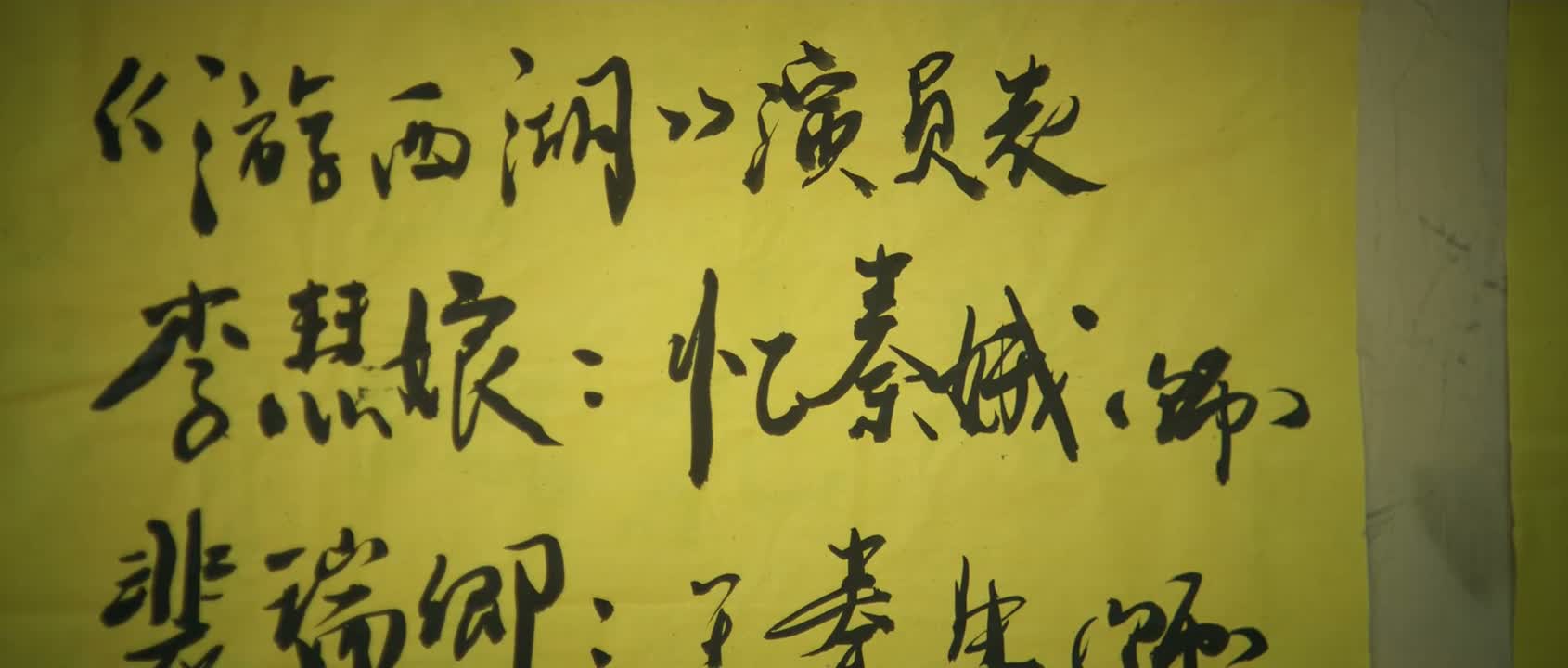
“(Yi Qin'e as Li Huiniang) Laidi was just here.”

“We've met that little buddy again.”