来弟 来弟回来了 你去哪儿了 你吓死我们了
“- Laidi. - Laidi's back! Where did you go? You scared us to death.”
THE DIALOGUE REEL
来弟
“Laidi.”
来弟 来弟 回来了 你去哪儿了 你吓死我们了
“- Laidi. - Laidi's back! Where did you go? You scared us to death.”
吓死我们了你 你胆子太大了 太大了
“You really scared us. You've got too much nerve.”
Direct spoken expression in this communicative setting.
In Chinese family communication, deep affection and concern for a child's safety are frequently vented as exasperated scolding rather than gentle comforting.
LEARNING CHUNKS & PARTICLES
Where have you been?
Common spoken inquiry used when somebody has unexpectedly been missing or away.
Scared us to death.
A very common hyperbolic spoken expression showing extreme fear or profound relief after a scare.
Marks the change of state and completion, heightening the emotional impact of the scare and return.
VOCABULARY & EXPRESSIONS
Parallel Spoken Cinema Scenes (语义近邻切片)

“Laidi, Laidi. What is it? Why are you yowling?”

“When Laidi got her transfer order, it just fizzled out.”
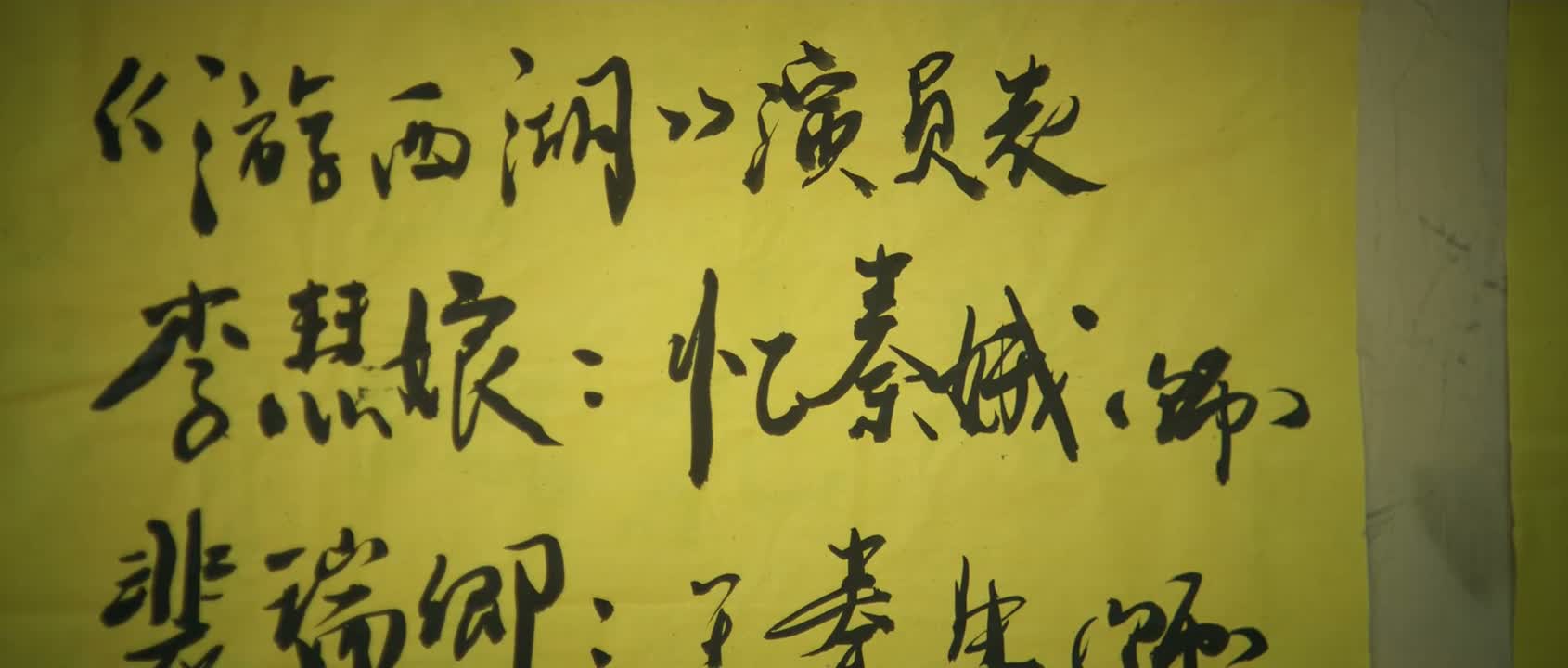
“(Yi Qin'e as Li Huiniang) Laidi was just here.”

“She's such a good kid. Why is it happening?”

“Cousin. Why... Why are you here again? Stop following me. You...”
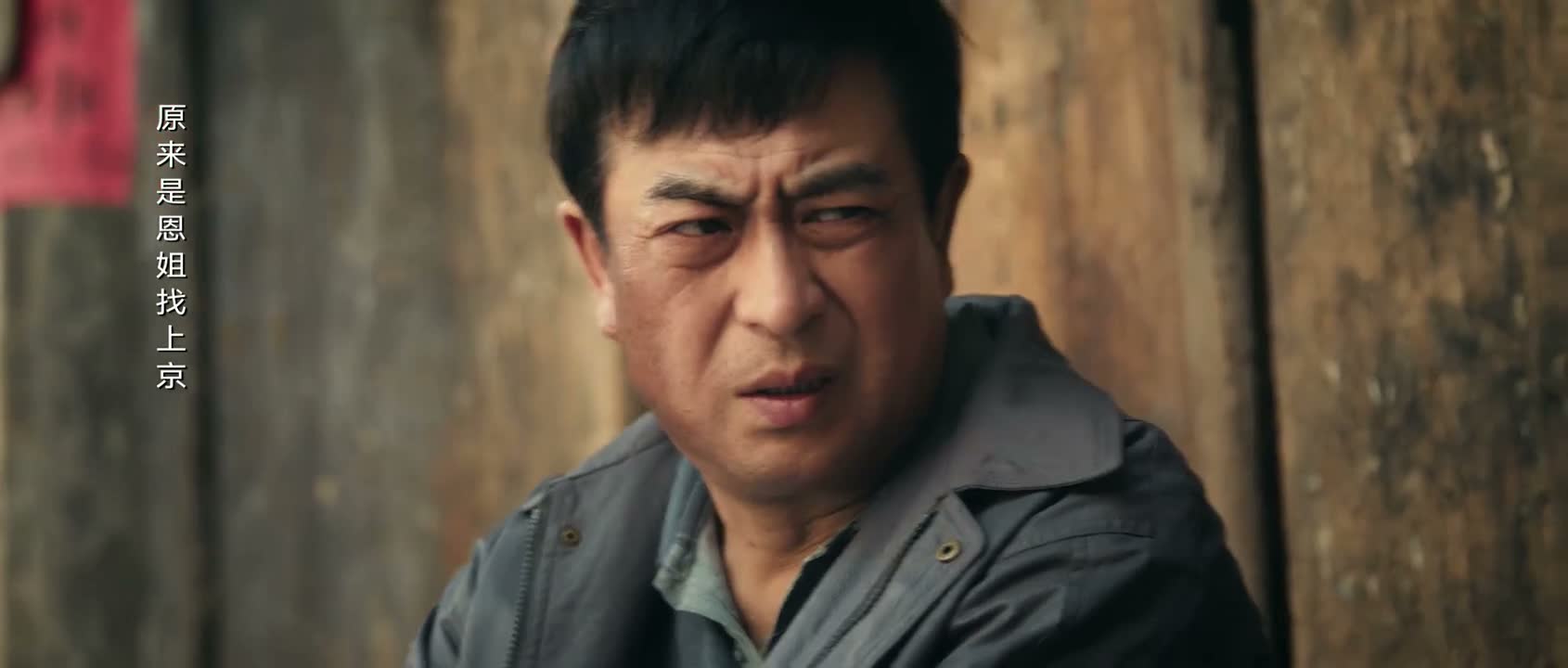
“Laidi is in trouble now.”