那这位同学 你可否回答一下
“Then care to explain something to me?”
THE DIALOGUE REEL
没伤及无辜
“no civilians were harmed.”
那 这位同学 你 可否回答一下
“Then care to explain something to me?”
“Why leave before the Evil God statue was fully burned?”
“You seem to know something, explain yourself.”
Using classical rhetorical words like '可否' creates a deliberate layer of polite distance, often used to assert authority gently.
LEARNING CHUNKS & PARTICLES
this classmate / this student
A standard, respectful way an instructor or speaker addresses a student in an educational setting.
whether one can / could you please
A formal, polite literary word used in spoken Chinese to soften an inquiry or request.
VOCABULARY & EXPRESSIONS
Parallel Spoken Cinema Scenes (语义近邻切片)
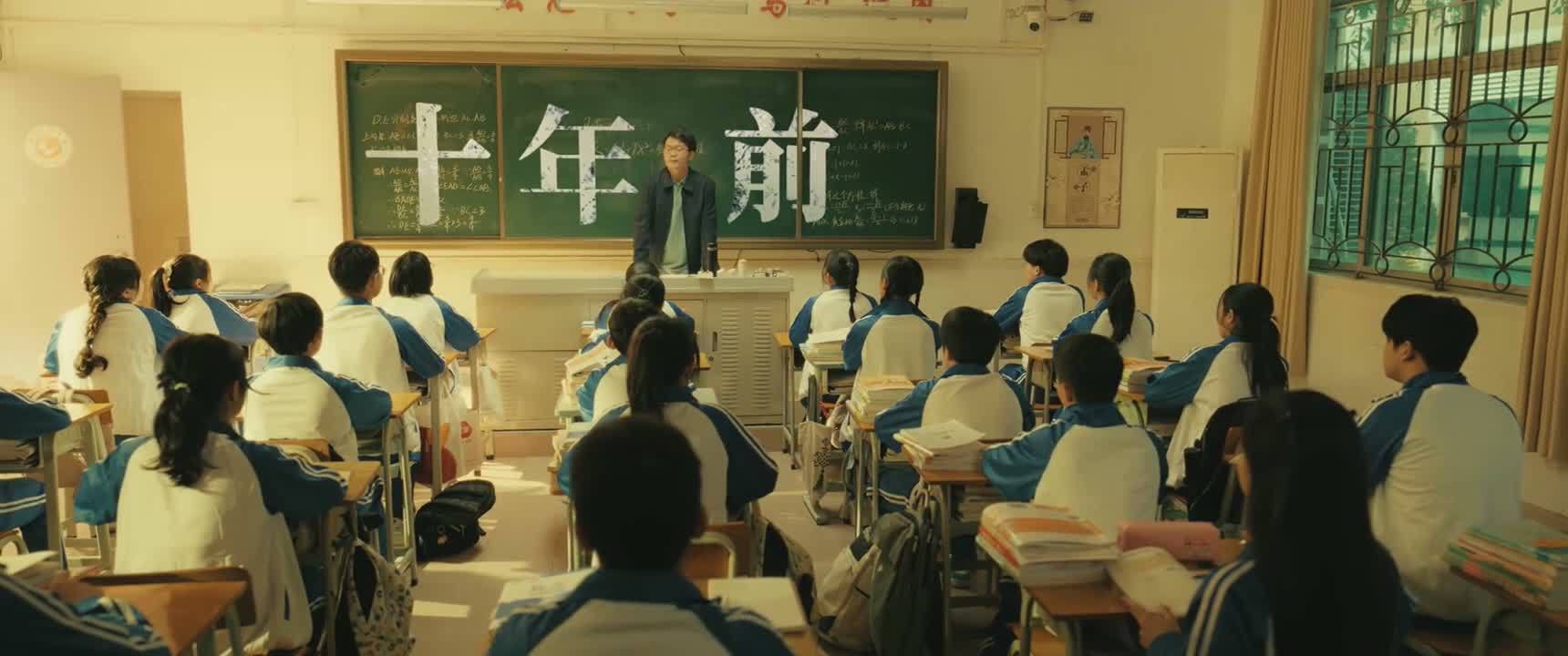
“Can anyone solve this problem?”

“What's the name of that student in your class?”

“You can't even say her name clearly.”

“you don't feel like his classmate to me.”

“I don't know her. A classmate from the Teachers College?”

“Classmates? Then your friendship with her must be special.”