爱吃零嘴甜食的孩子习性了
“of eating snacks and sweets?”
THE DIALOGUE REEL
什么时候养成了
“develop this childish habit”
爱吃零 嘴甜 食的孩子习性了
“of eating snacks and sweets?”
你管得着吗
“None of your business.”
“You're acting just like a little kid with all these snacks.”
In Chinese interpersonal dynamics, playfully pointing out childish habits is a common way to signal familiarity and emotional closeness without overt romantic praise.
LEARNING CHUNKS & PARTICLES
fond of eating snacks
Used colloquially to describe someone who frequently nibbles on finger foods or sweets between meals.
childish habit; childish trait
Often used teasingly or affectionately among close friends or partners to point out cute or immature behaviors.
Indicates a newly developed state or habit that has become noticeable.
VOCABULARY & EXPRESSIONS
Parallel Spoken Cinema Scenes (语义近邻切片)

“If you eat more sweets, you'll lose them all.”

“I thought you hated sweets.”

“as they could witness something so romantic.”
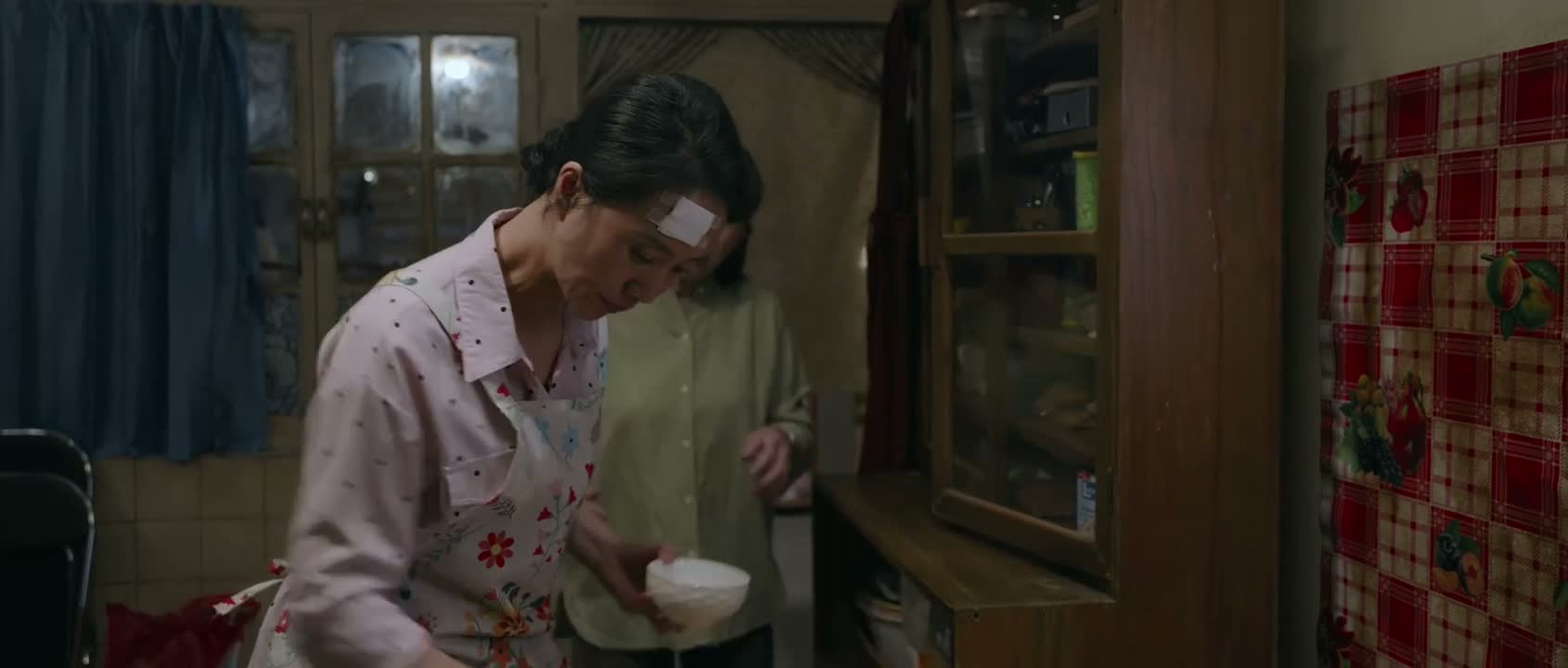
“This kid has no self-control.”
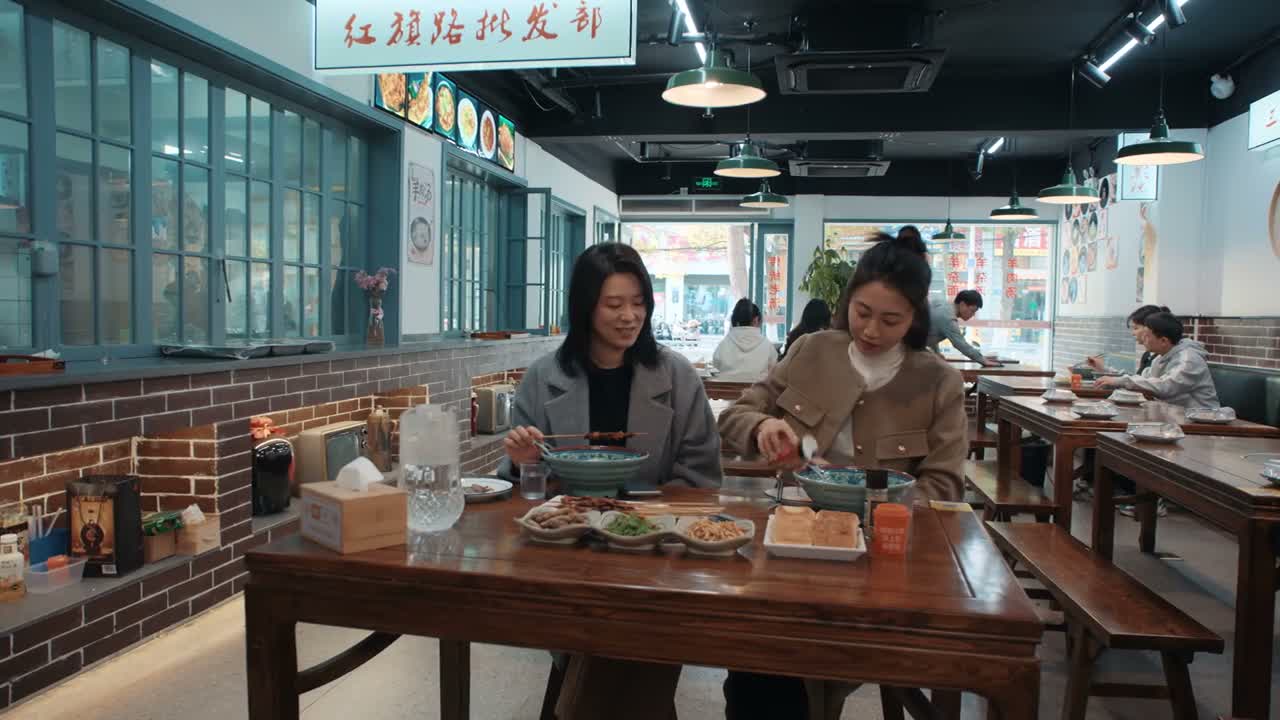
“This baby definitely likes bold flavors.”

“All you do is spoil the children.”