他才能逃脱这个责任 他凭啥呢
“then he can escape responsibility. Then Hu Sanyuan”
THE DIALOGUE REEL
他只有定性成 是胡三元蓄意搞破坏
“If they define it as deliberate sabotage by Hu Sanyuan,”
他才能逃脱 这个 责任 他凭啥呢
“then he can escape responsibility. Then Hu Sanyuan”
那胡三元得多冤哪
“would be suffering a terrible injustice!”
“Who does he think he is? He has absolutely no right to scapegoat someone else to save his own skin.”
Chinese interpersonal ethics strongly condemn passing the buck (甩锅) and framing honest workers (冤枉老实人), which commonly triggers intense communal outrage.
LEARNING CHUNKS & PARTICLES
escape accountability / shirk responsibility
A common collocation used when someone tries to dodge liability or blame for a wrongdoing.
on what grounds? / who gives him the right?
A punchy northern colloquial expression expressing indignation at an unfair advantage, action, or privilege.
Softens the abruptness of the interrogative while maintaining a skeptical and indignant edge.
VOCABULARY & EXPRESSIONS
Parallel Spoken Cinema Scenes (语义近邻切片)
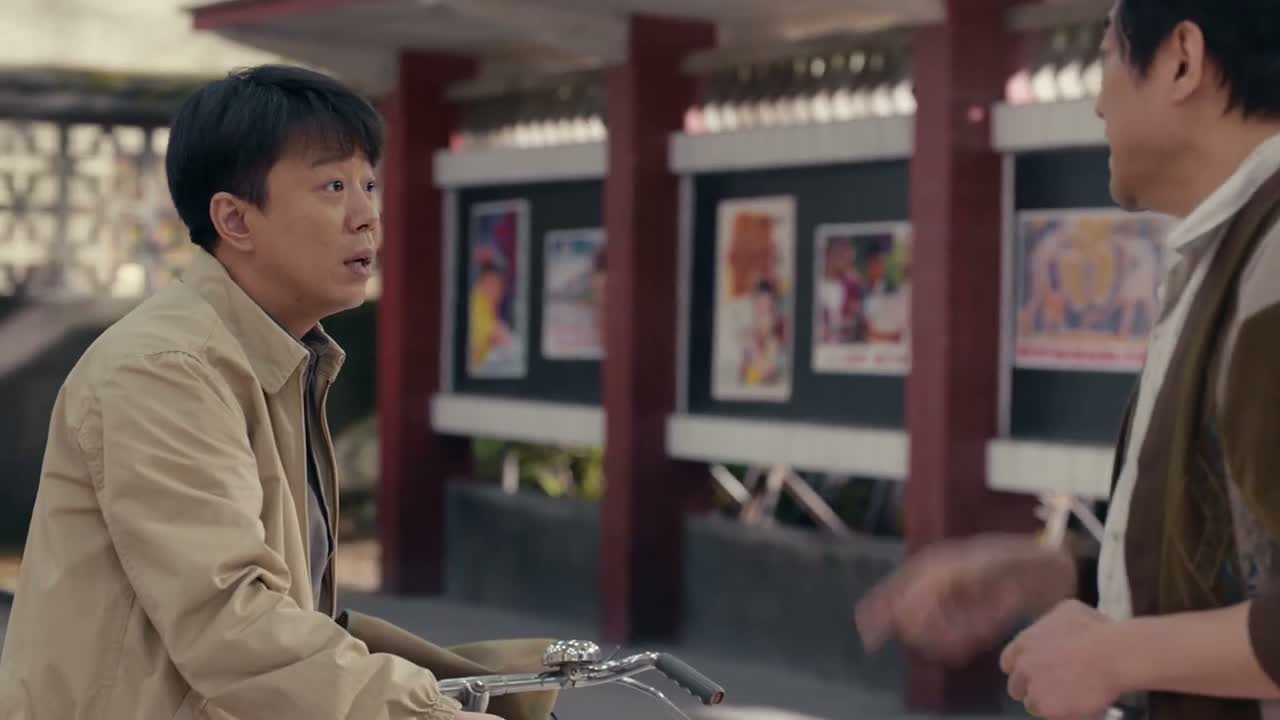
“It's evasion, shirking responsibility.”
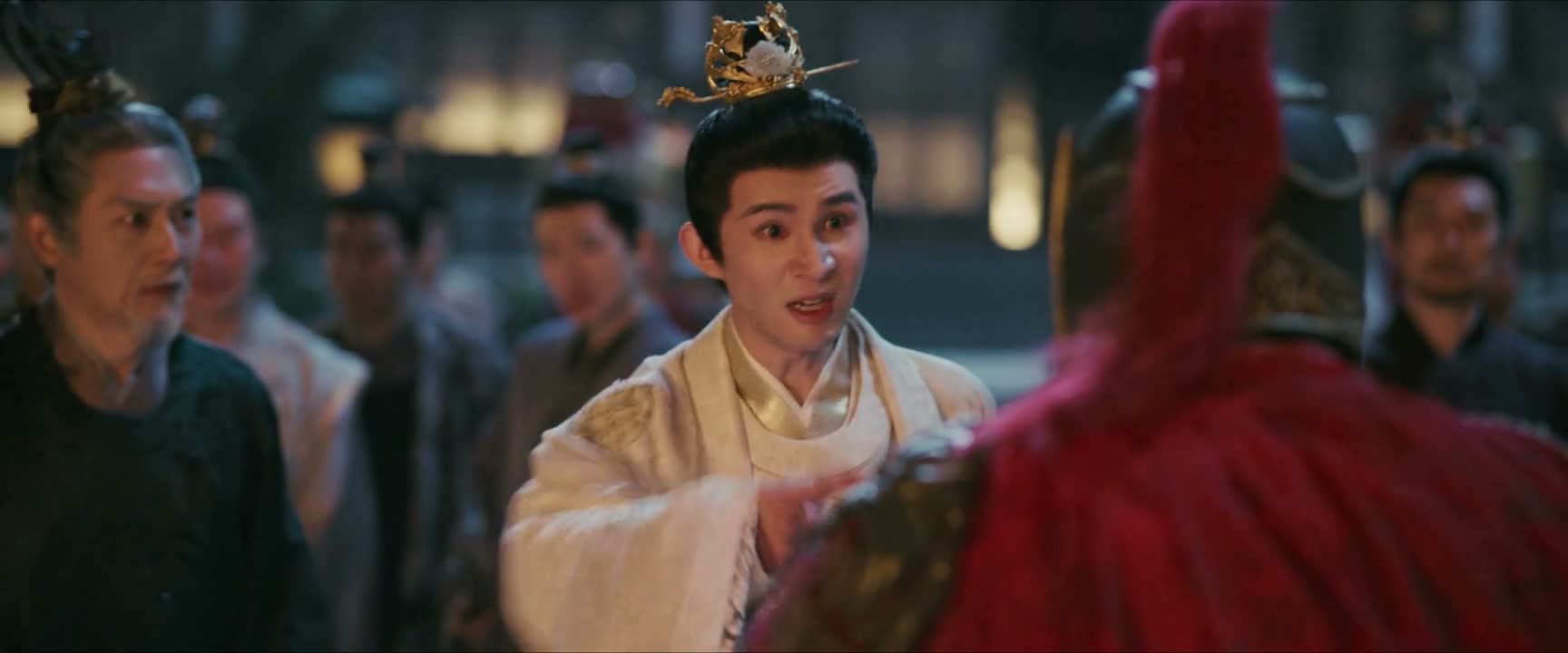
“How could you let him escape?”

“He can't handle his own responsibilities, so he pushes them all onto you.”