马总 你也别太伤心了啊
“Mr. Ma, don't be sad.”
THE DIALOGUE REEL
可以和家人团聚 过一个温馨 美好的春节
“can reunite with your families and have a warm, wonderful Chinese New Year.”
马总 你也 别太伤心 了 啊
“Mr. Ma, don't be sad.”
Direct spoken expression in this communicative setting.
In Chinese workplaces, addressing leaders by their surname plus title (e.g., 'Ma Zong') is standard polite decorum, even when offering intimate personal comfort.
LEARNING CHUNKS & PARTICLES
don't be too sad / take it easy
A common empathetic phrase used to comfort someone grieving or dealing with emotional loss.
Signifies a change of state, urging the listener to stop feeling sad.
Softens the imperative tone, making the advice sound warmer and more considerate.
VOCABULARY & EXPRESSIONS
Parallel Spoken Cinema Scenes (语义近邻切片)
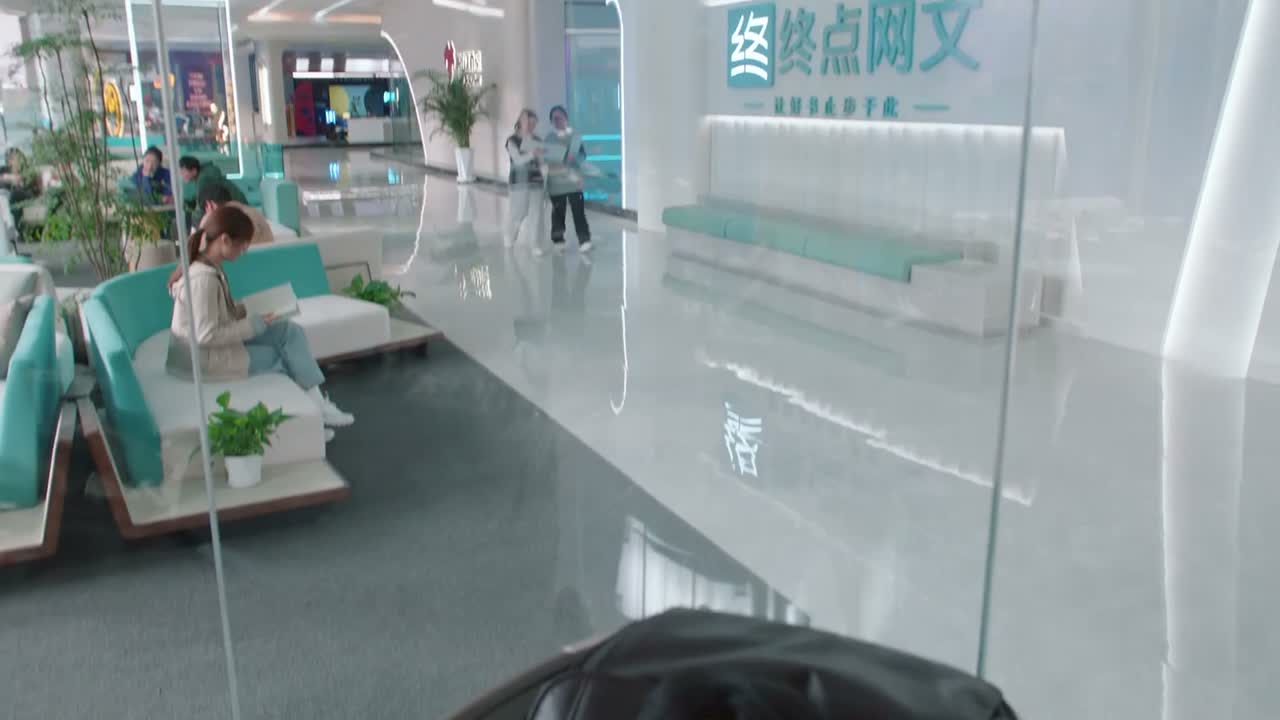
“(Zhongdian Web Fiction) Mr. Ma, don't panic.”
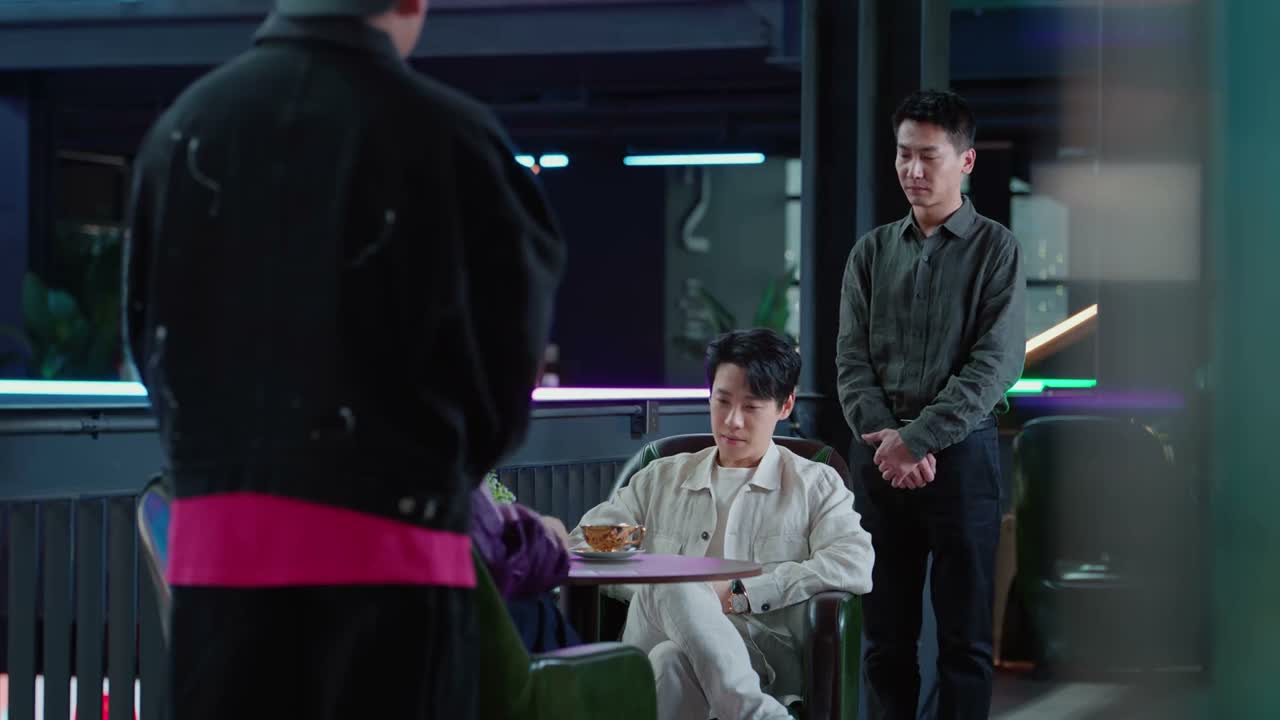
“Mr. Ma. Don't get so stressed out.”

“Mr. Ma is talking to you. Speak up.”

“Mr. Ma. I've done what you asked me to do.”

“Mr. Ma asked me to say hello to you.”

“Mr. Ma, I'm sorry. I'm sorry, Mr. Ma.”