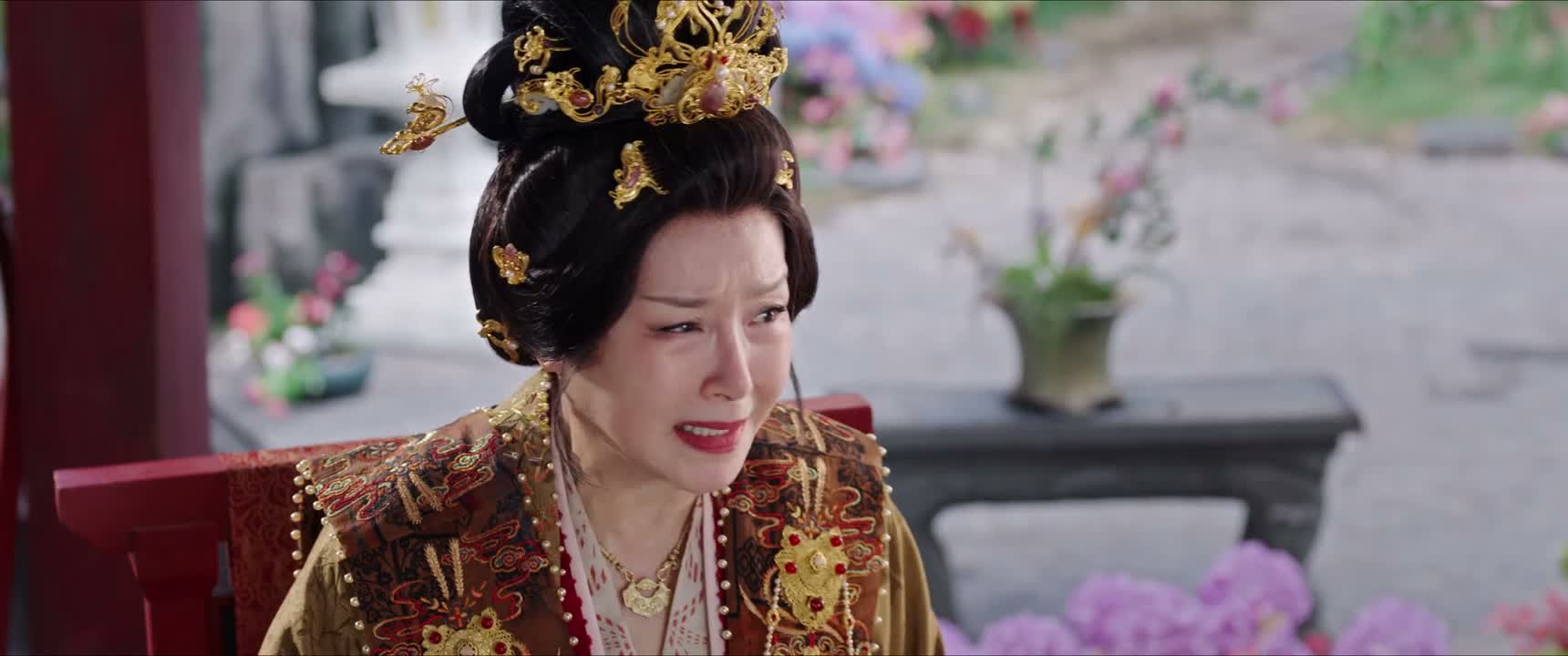
他做梦都得哭醒吧
“wake up crying.”
THE DIALOGUE REEL
我这样
“he'd probably”
他 做梦都得哭醒 吧
“wake up crying.”
“Give me a break. I need to put my feet up.”
“He would be totally heartbroken if he saw this.”
Chinese speakers frequently use dream-related hyperboles like 'laughing oneself awake in dreams' (做梦笑醒) or 'crying oneself awake' (做梦哭醒) to humorously express extreme emotional states.
LEARNING CHUNKS & PARTICLES
even in one's dreams one would...
A common spoken hyperbole used to describe an extreme emotional reaction such as laughing, crying, or regretting.
wake up crying
Combined with '做梦都得' to vividly illustrate intense grief, regret, or sadness.
Indicates a speculative estimation, inviting agreement or softening the hyperbolic assertion.
VOCABULARY & EXPRESSIONS
Parallel Spoken Cinema Scenes (语义近邻切片)

“I'd be laughing in my sleep.”

“like you.”
“Shouldn't I be crying my heart out?”

“I still wake up from nightmares.”

“You must be dreaming.”

“people also said he couldn't wake up but he still woke up.”