那我还不得哭死
“Shouldn't I be crying my heart out?”
THE DIALOGUE REEL
你再看看我 我这一辈子 就生了琼儿这一个崽子
“Now look at me— all my life, I only had one child, Qiong.”
那我还 不得 哭死
“Shouldn't I be crying my heart out?”
你呀 这老了老了 嘴越来越能说了
“Gosh, as you've gotten older, you've become such a smooth talker.”
“You know how delicate my feelings are, so don't even joke about it.”
In close Chinese family dynamics, expressing exaggerated vulnerability serves as a form of playful emotional bonding rather than genuine misery.
LEARNING CHUNKS & PARTICLES
cry one's eyes out; cry oneself to death
A common colloquial exaggeration using the resultative '死' to emphasize extreme emotional distress.
surely would; wouldn't it inevitably
Colloquial rhetorical structure highlighting an inevitable and extreme outcome.
VOCABULARY & EXPRESSIONS
Parallel Spoken Cinema Scenes (语义近邻切片)

“Why would I cry? I didn't just break up.”

“Why are you crying again? Don't cry.”
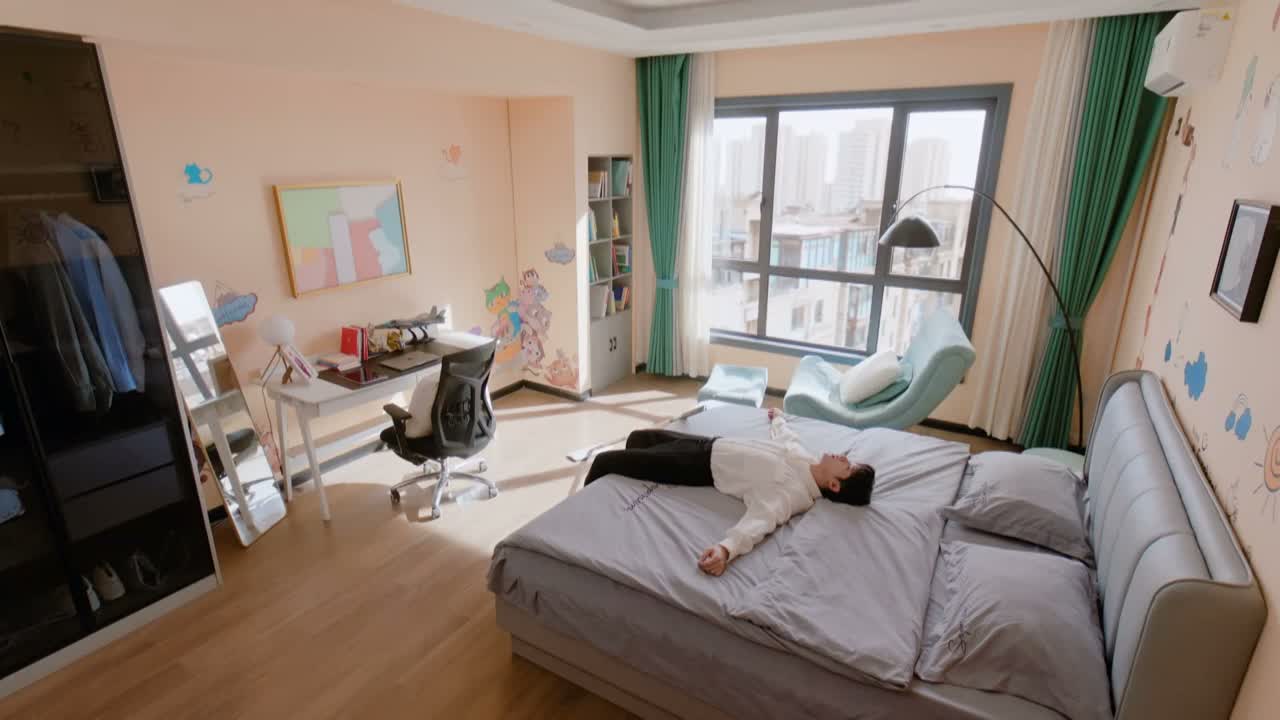
“wake up crying.”
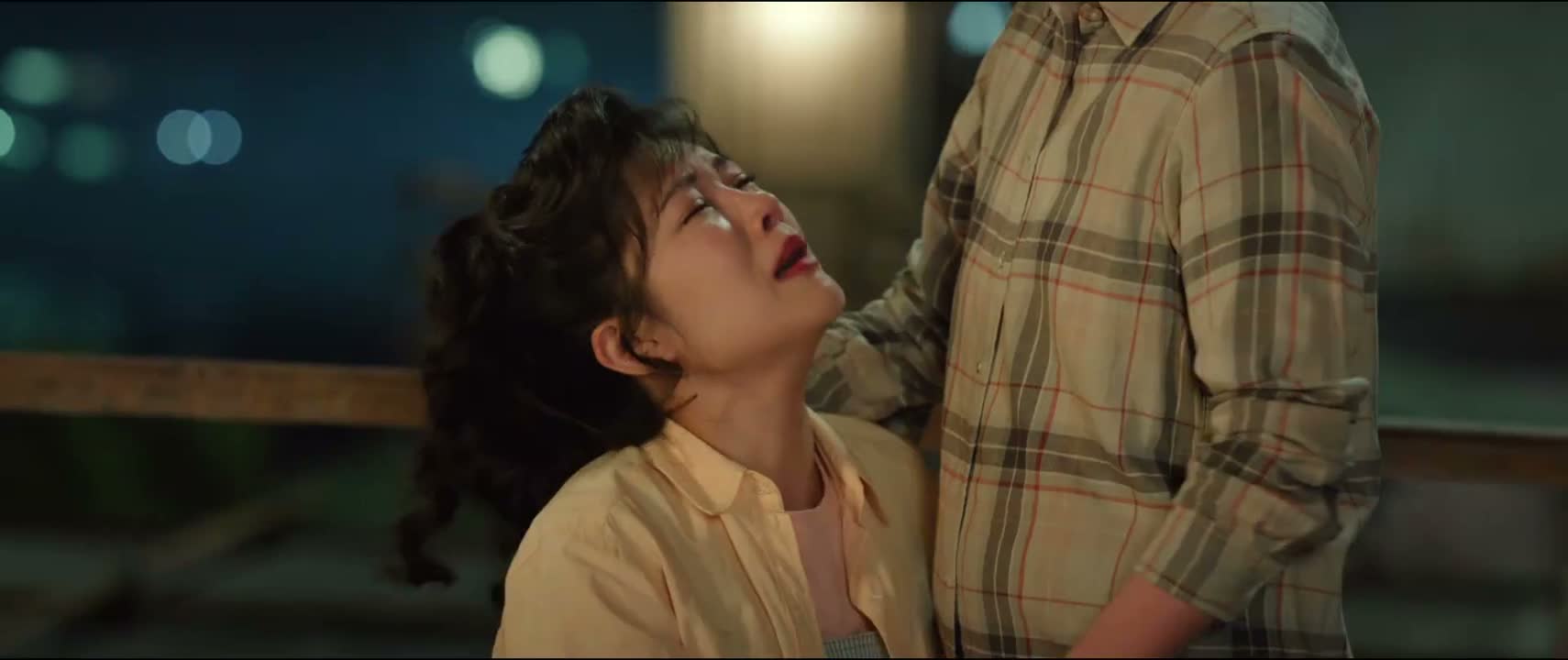
“So what? I'll cry if I want. I'm crying!”

“When you cry like this, it breaks my heart too.”
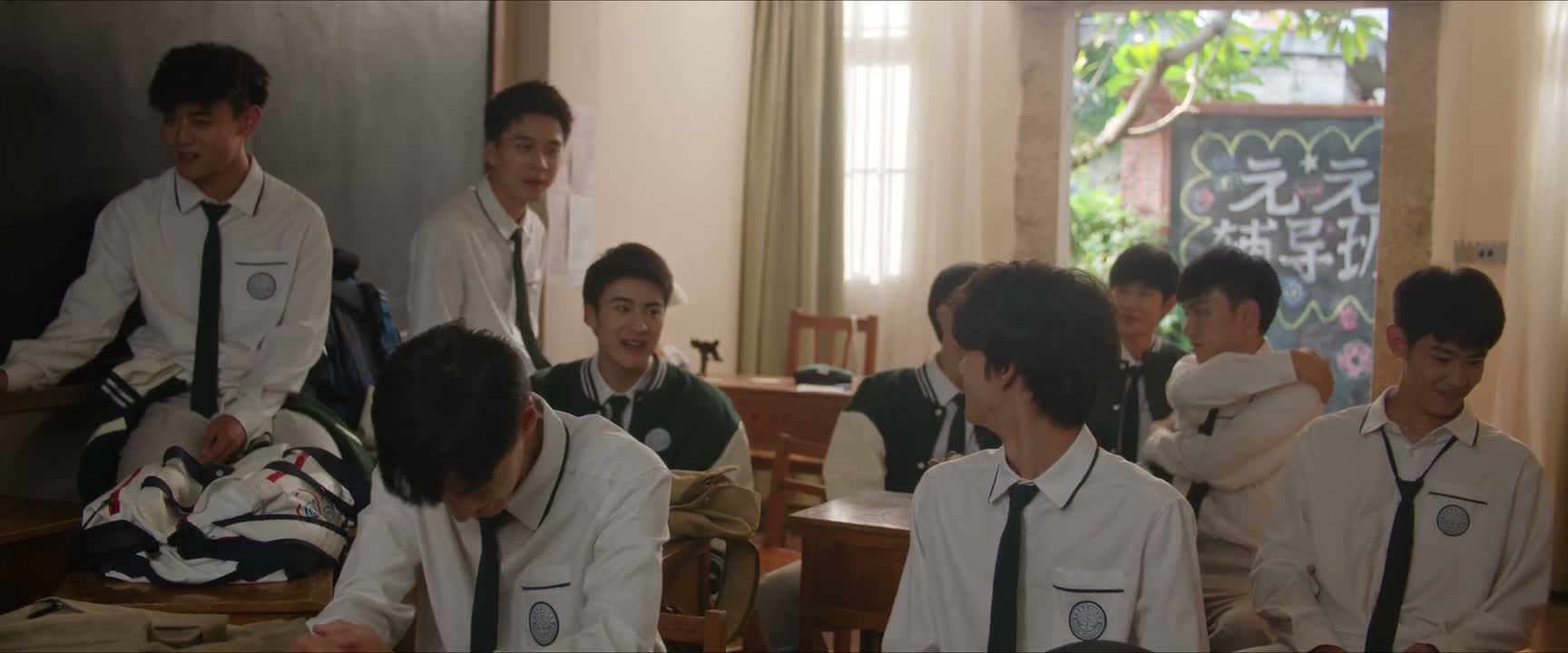
“Oh, no. I kind of want to cry. Why?”