不是你让我回来的吗
“Didn't you ask me to come back?”
THE DIALOGUE REEL
你回来了
“you are back.”
不是你让我回来的吗
“Didn't you ask me to come back?”
“Are you back to pack up things and move out?”
“Why are you acting surprised when you're the one who asked me to be here?”
Chinese speakers often rely on '不是……吗' to challenge unexpected behavior or perceived hypocrisy in close interpersonal dynamics.
LEARNING CHUNKS & PARTICLES
wasn't it you who...?
A very common rhetorical question frame used to remind the listener of their previous actions or statements.
ask me to come back
Pivotal construction where '让' acts as a causative verb meaning 'to tell/ask/let someone do something'.
Forms a rhetorical question expecting the listener to agree with the stated premise.
VOCABULARY & EXPRESSIONS
Parallel Spoken Cinema Scenes (语义近邻切片)

“Did I bring you back?”
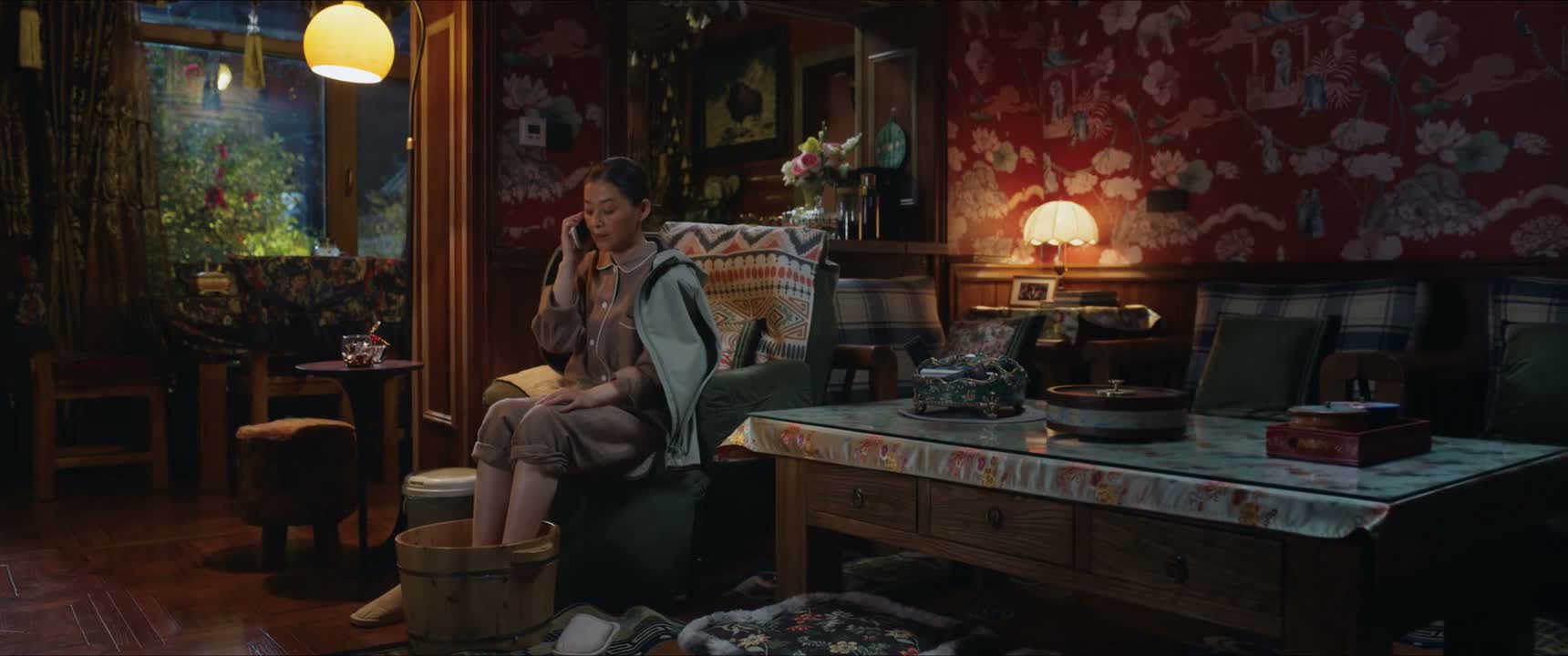
“Are you coming back tonight?”

“would you come find me and ask me to return?”
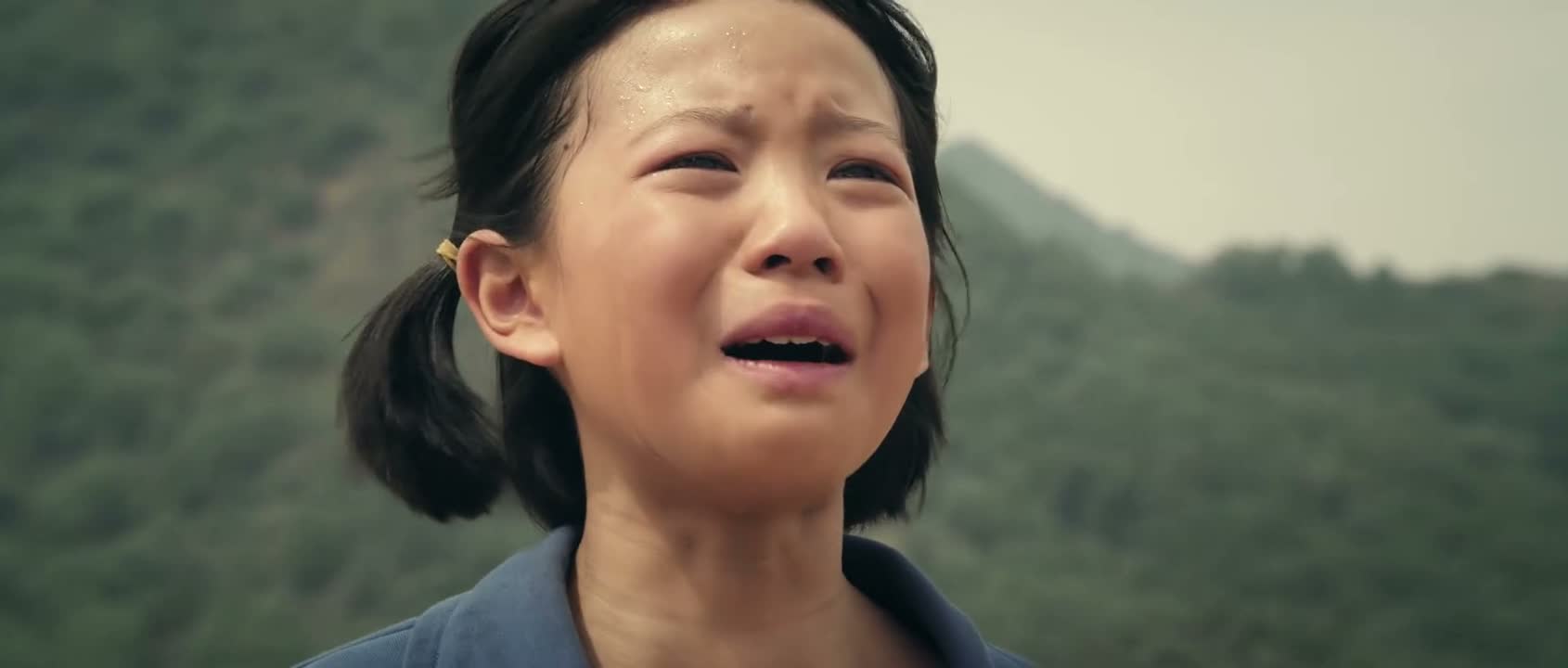
“Take me home!”

“Don't come back if you can't!”

“I'm back now. I'm just happy. Yes.”