懒驴的叫声 总是最响的
“The lazy donkey always brays the loudest.”
THE DIALOGUE REEL
白警官都写上啊
“Write it all down, Officer Bai.”
懒驴的叫声 总是最响的
“The lazy donkey always brays the loudest.”
不要理他们
“Ignore them.”
“Those who complain the loudest do the least work—pay them no mind.”
Chinese speakers often invoke beasts of burden like donkeys to criticize individuals who complain noisily or refuse to cooperate.
LEARNING CHUNKS & PARTICLES
lazy donkey; good-for-nothing person
A colloquial insult used metaphorically to describe someone who avoids work but creates noise.
cries; braying; shouting
Refers literally to animal calls, used here metaphorically for loud human complaints.
Emphasizes the categorical nature and certainty of the descriptive statement.
Parallel Spoken Cinema Scenes (语义近邻切片)

“Lazy as a mule, always needing the toilet.”

“We bray every morning like a donkey.”
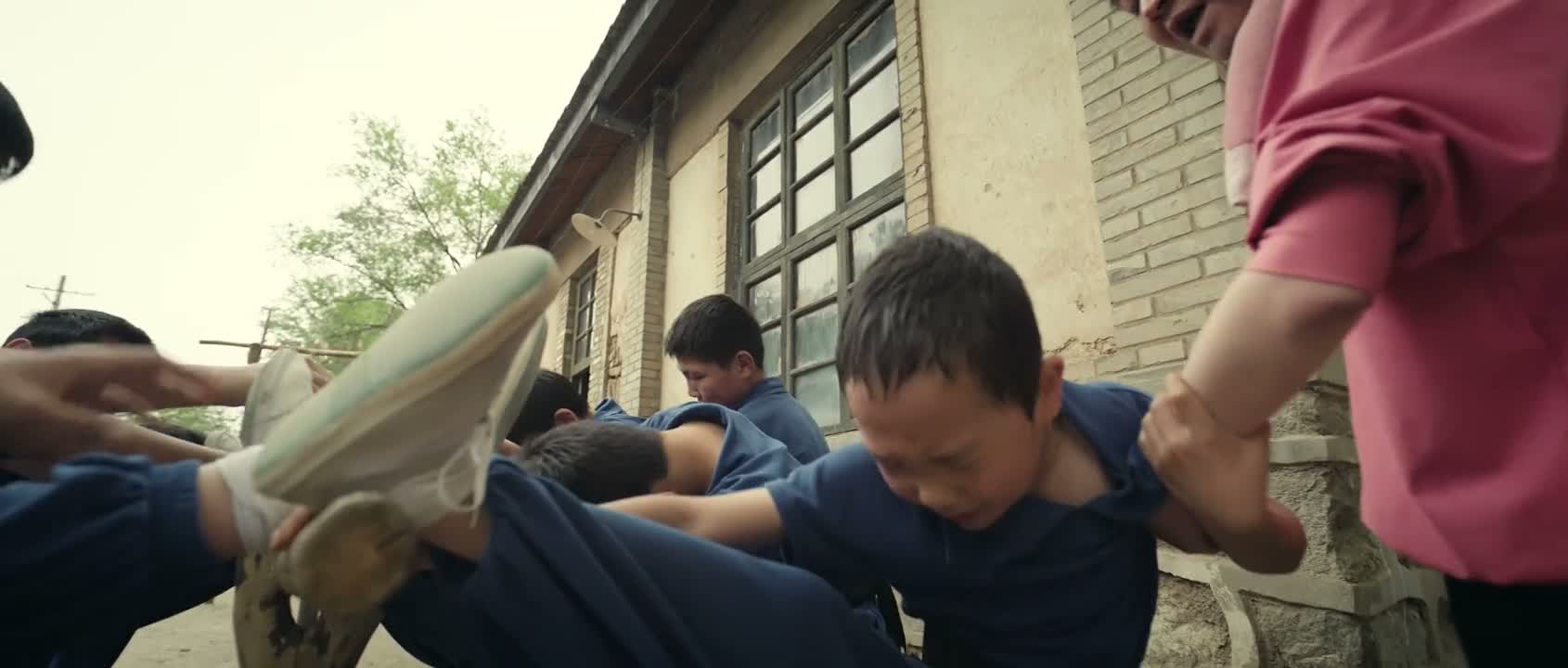
“She felt like she sounded like a donkey.”

“Yes, I have. Say that again!”

“are you out of your mind?”

“even a full-grown donkey would drop dead!”