烦都烦死了 护士
“How annoying. Miss.”
THE DIALOGUE REEL
你来了就好 这一天乌泱泱的 全是来报道的记者
“It's good that you're here. It's been rowdy in here. Reporters have been coming in and out.”
烦都烦死了 护士
“How annoying. Miss.”
他多久能醒啊 那这个可说不好 他叫什么 方穆扬
“When will he wake up? I can't say for sure. What's his name? Fang Muyang.”
Direct spoken expression in this communicative setting.
Addressing hospital staff directly by their job title like '护士' (Nurse) is standard, direct, and culturally polite in Chinese medical environments.
LEARNING CHUNKS & PARTICLES
annoyed to death; completely sick of it
A highly colloquial pattern '[Verb/Adj] 都 [Verb/Adj] 死了' used to emphasize extreme irritation or exhaustion.
Functions here as an intensifier indicating an extreme state or change of status in '死了'.
VOCABULARY & EXPRESSIONS
Parallel Spoken Cinema Scenes (语义近邻切片)
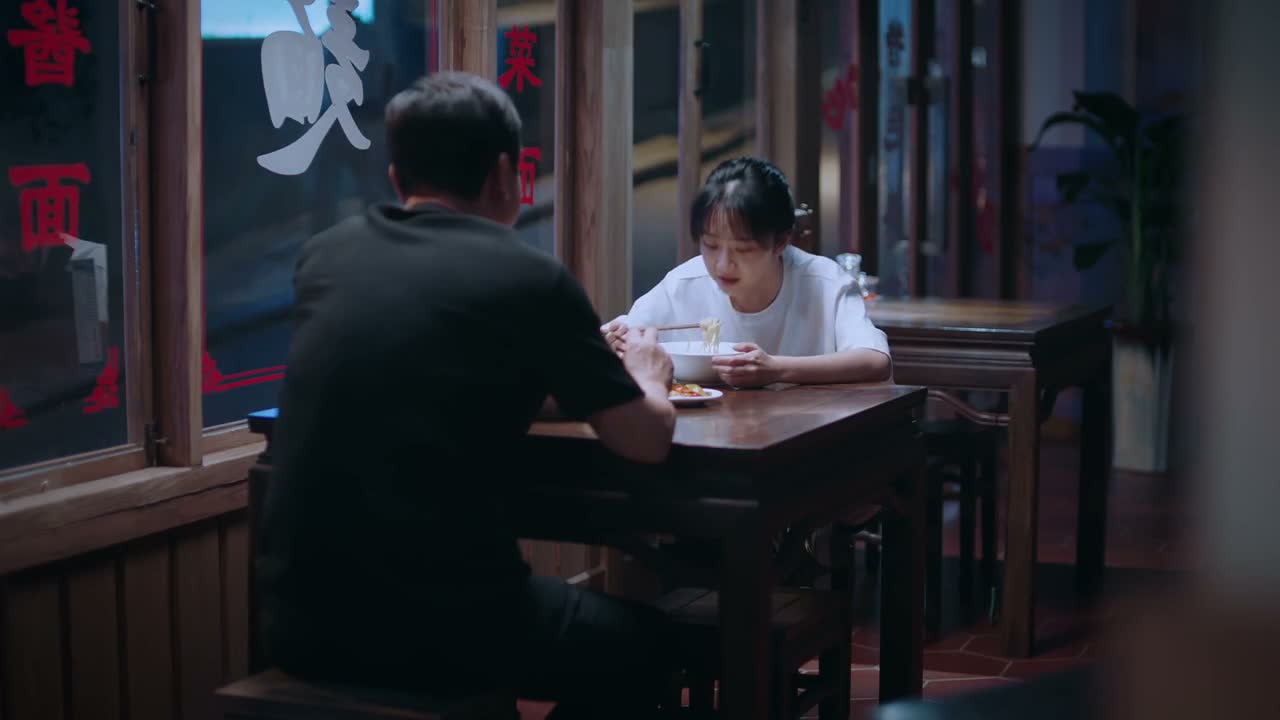
“I was so annoyed. Look at her.”

“This is how you care for your patients? Head, what's wrong?”
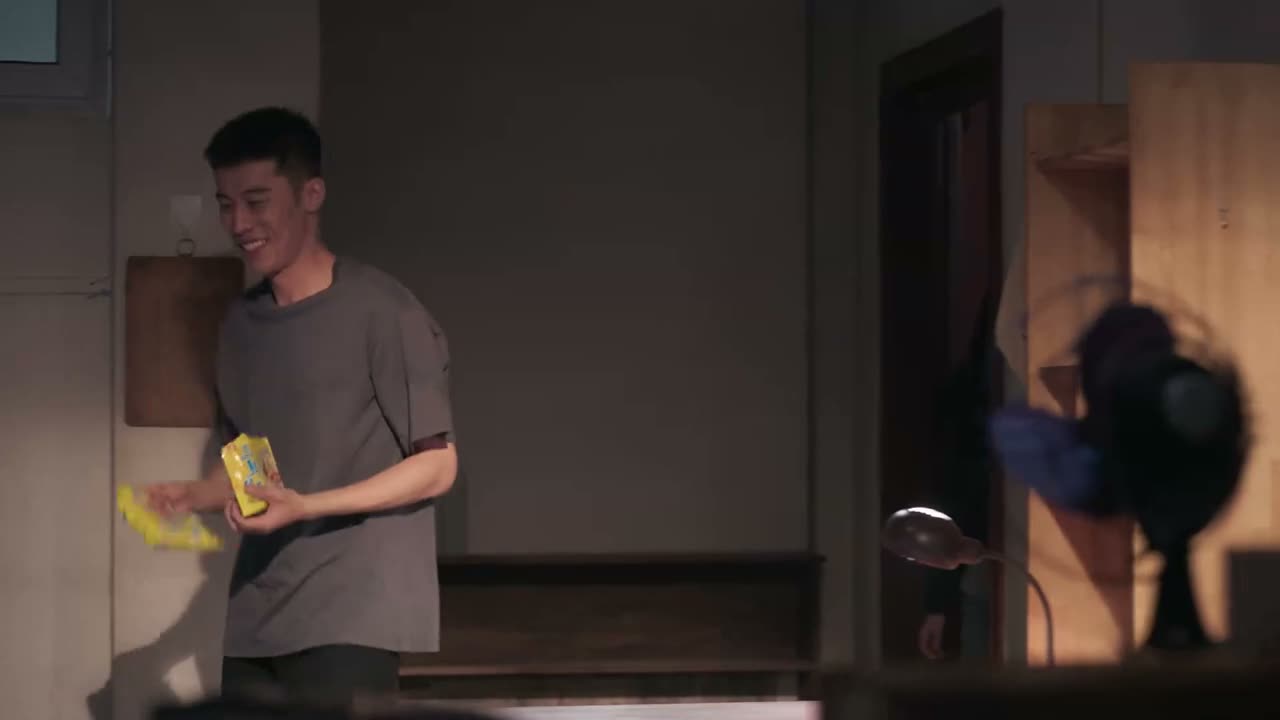
“Annoying. Boring.”