MC
MandarinClips Cinema Corpus
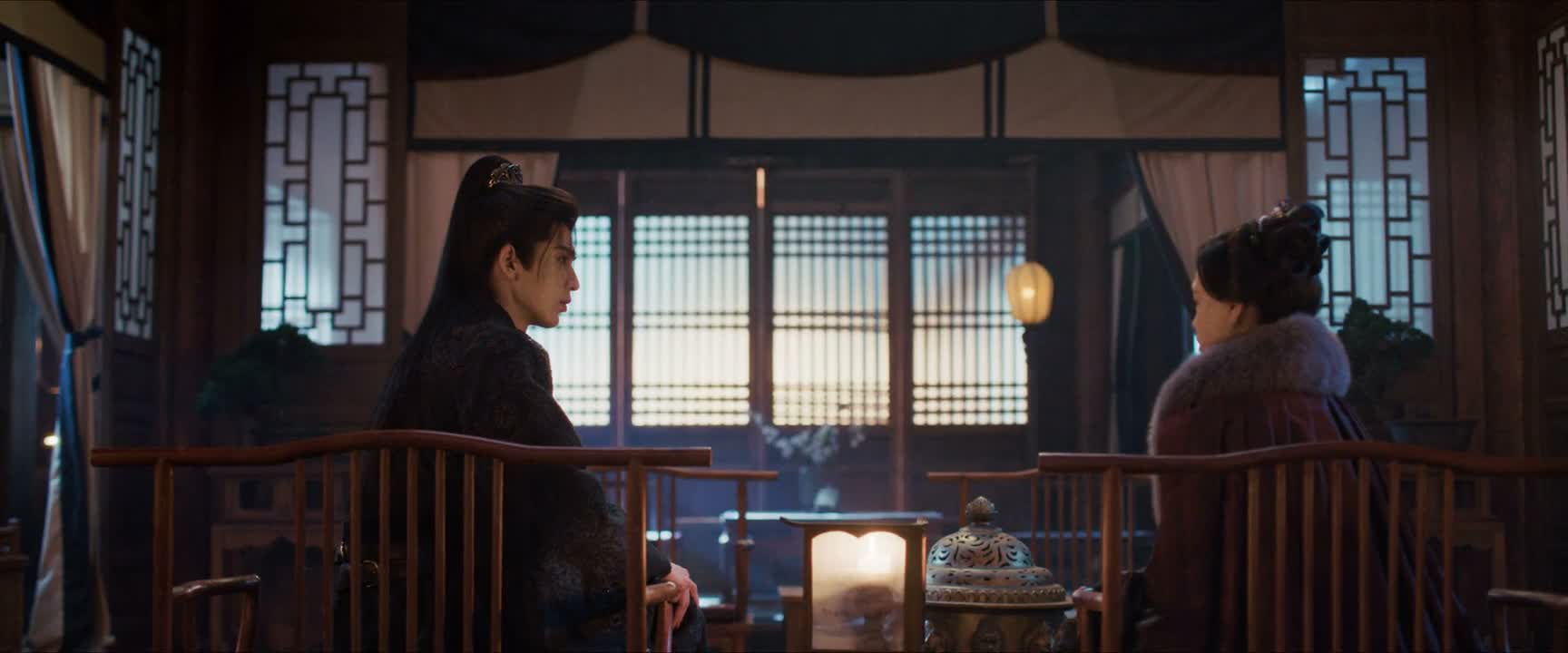
《How Dare You!?》 S1·E21 (00:43) HSK 7
dōu shān qióng shuǐ jìn dào zhè ge dì bù le nǐ hái bù sǐ xīn ma

都山穷水尽到这个地步了 你还不死心吗

“You're at the end of your rope now, and you're still not giving up?”

《How Dare You!?》 S1·E21
TIMECODE: 00:43 · 1080P MASTER AUDIO

THE DIALOGUE REEL

1+1+1 SPOKEN CONTINUITY
[-1] PREVIOUS TURN shì

是

“Yes!”

dōu shān qióng shuǐ jìn dào zhè ge dì bù le nǐ hái bù sǐ xīn ma CURRENT FOCUS

都 山穷水尽 到这个地步 了 你还 不死心 吗

“You're at the end of your rope now, and you're still not giving up?”

[+1] FOLLOW-UP TURN dàn ér

澹儿

“Dan.”

Subtitles synced to millisecond timecode Browse Show Clips →
Scene: Crisis & Conflict
Function: URGING ACCEPTANCE
Tone: CONFRONTATIONAL
Emotion: FRUSTRATION
WHAT THEY REALLY MEAN (PRAGMATIC SUBTEXT)
“Accept defeat already; you have no way out.”
💡 Cultural Insight: Sunk Cost and Reluctance (不死心)

In Chinese social and political conflicts, refusing to accept defeat (不死心) often provokes sharp warnings against self-destruction when momentum is lost.

INTENT TAGS: #confrontation #discouragement #pressure #reality_check
🧩

LEARNING CHUNKS & PARTICLES

2 CHUNKS · 2 PARTICLES
山穷水尽 SPOKEN CHUNK

at the end of one's rope; driven to the wall

A common idiom used to describe reaching an utter dead end or extreme financial/strategic depletion.

死心 SPOKEN CHUNK

to give up hope; drop the idea

Often paired with 不 (not) to describe someone clinging obstinately to a lost cause.

Modal Particle「了」 (le) CHANGE OF STATE

Signifies that a critical, unchangeable state or limit has already been reached.

Modal Particle「吗」 (ma) CHANGE OF STATE

Transforms the clause into a rhetorical question expressing disbelief and pressure.
🏮

VOCABULARY & EXPRESSIONS

3 EXPR · 0 GRAMMAR
CROSS-CINEMA CORPUS BOARD · PARALLEL SCENES

Parallel Spoken Cinema Scenes (语义近邻切片)

EXPLORE BY SEMANTIC SIMILARITY
《How Dare You!?》 S1·E21 (00:43) · Authentic Cinema Dialogue Corpus