我们可以自己种菜 自己种 谁会种啊
“We can grow our own vegetables. -Grow our own? -Who knows how to?”
THE DIALOGUE REEL
我们能达到这个标准吗 有可能的
“Can we meet them? It's possible.”
我们 可以 自己种菜 自己种 谁会种啊
“We can grow our own vegetables. -Grow our own? -Who knows how to?”
“-How can we grow our own? -Grow them? Where?”
“Growing our own food sounds great in theory, but realistically none of us has any clue how to farm.”
Farming and growing food remains a culturally instinctive backup solution among Chinese people when facing scarcity, even among urbanites.
LEARNING CHUNKS & PARTICLES
grow vegetables oneself
A common colloquial phrase referring to self-sufficient gardening or farming.
who knows how to... anyway?
A rhetorical pattern used to assert that practically no one possesses the relevant skill.
Adds emotional emphasis and a skeptical, rhetorical tone to the question.
VOCABULARY & EXPRESSIONS
Parallel Spoken Cinema Scenes (语义近邻切片)

“still farming to survive.”

“With such a big place, can't we grow some vegetables?”

“That kid has fallen in love with farming. She's working in the fields.”
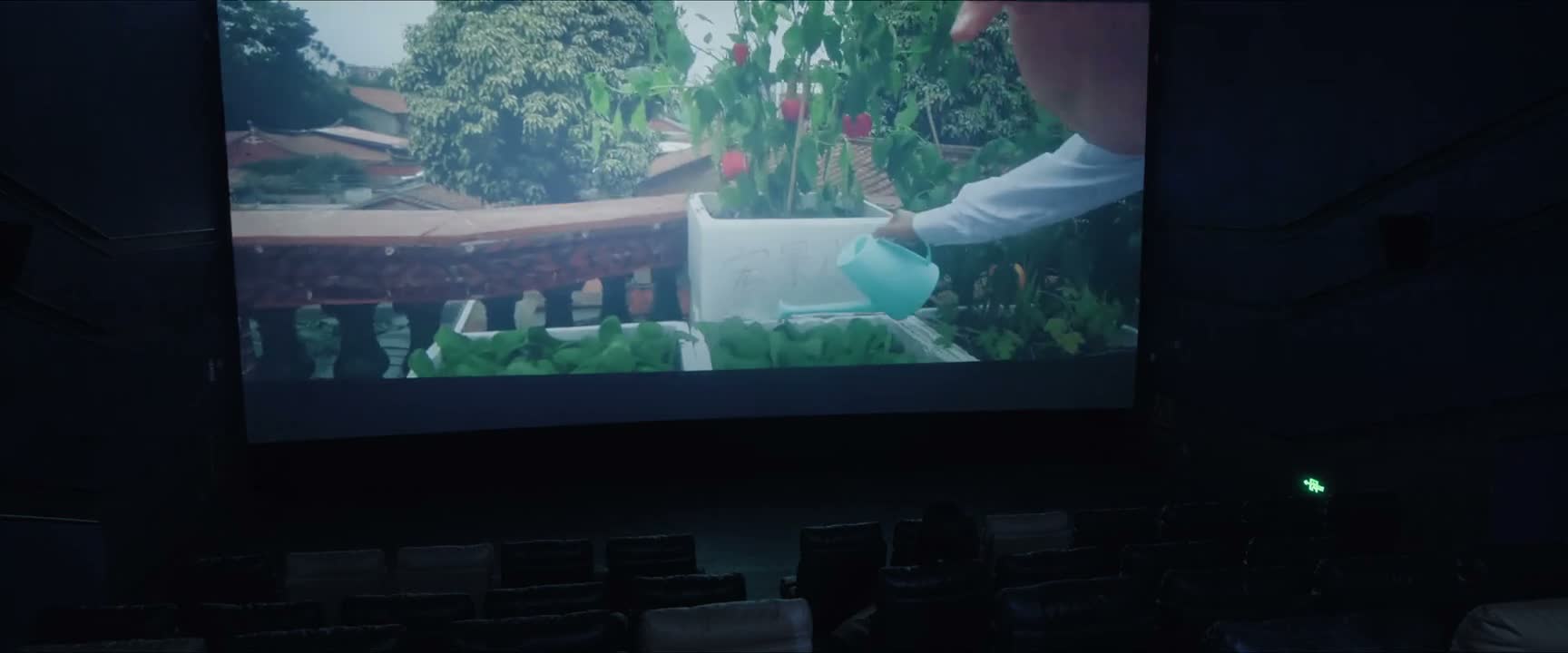
“and show you the results of our vegetable planting. I drew this at the time.”

“So you're just someone who farms with us, right?”

“I want to leave my fields to them for farming.”